

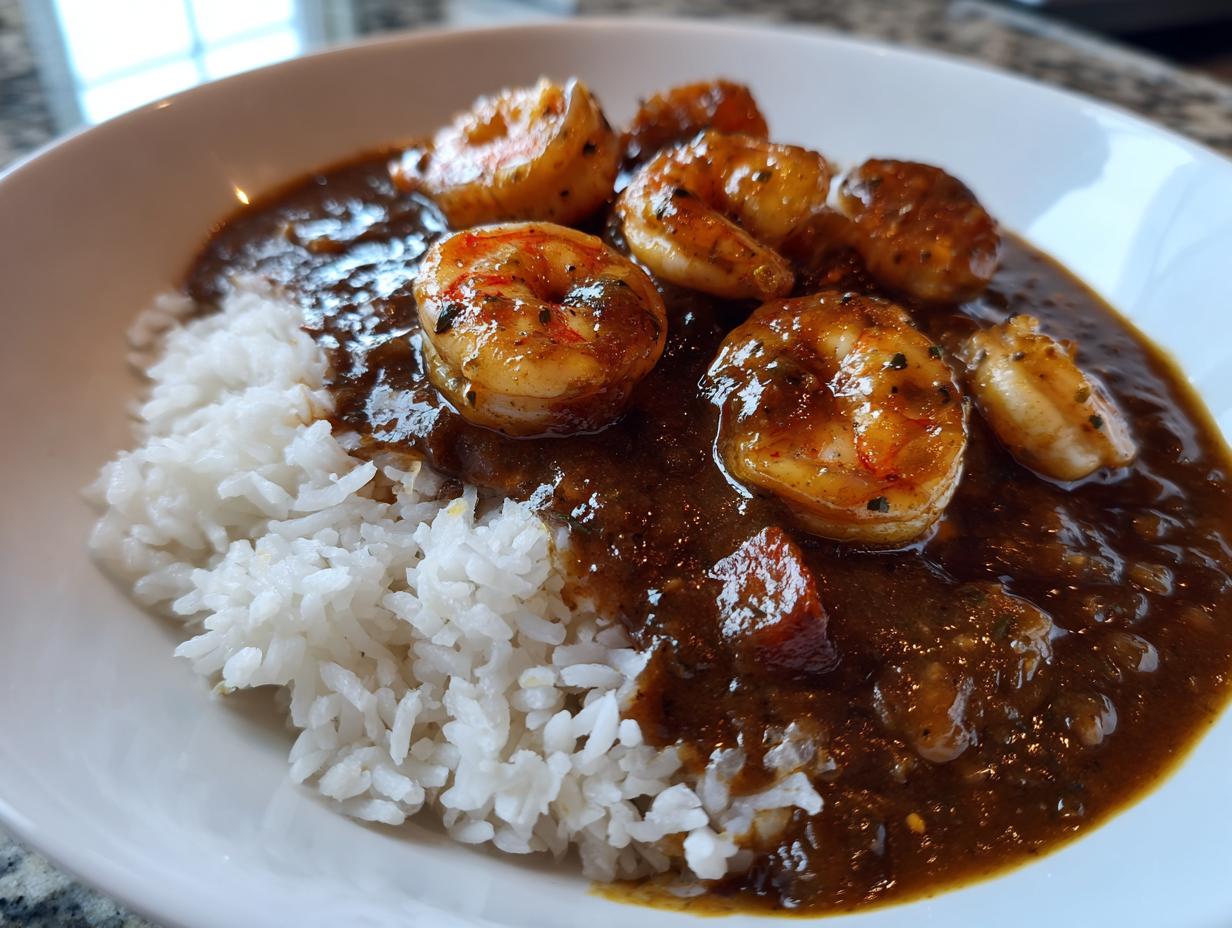
Hello and welcome to my kitchen! If you’ve ever dreamed of making a truly authentic, soul-satisfying shrimp etouffee but felt scared off by the thought of that legendary dark roux, then you are in exactly the right place. So many recipes promise the world, but few teach you the fundamental skills to get that deep, savory color and flavor that screams Louisiana. That’s what we’re doing today!
Creating a rich seafood sauce that tastes like it came straight from the French Quarter takes patience, but trust me, it is completely achievable at home. Thanks to my background developing recipes for major publications, I’ve broken down this Louisiana Classic Recipe into foolproof steps. I promise that if you follow this guide, you’ll master the technique and serve up the boldest, most tender shrimp etouffee you’ve ever had. You won’t need to rely on takeout anymore!
- Why This Authentic Shrimp Etouffee Recipe Works for You
- Gathering Ingredients for Your Shrimp Etouffee
- How to Make Authentic Louisiana Etouffee: Step-by-Step
- Tips for the Best Shrimp Etouffee Recipe Success
- Serving Suggestions for Your Cajun Shrimp Recipe
- Storage and Reheating Instructions
- Frequently Asked Questions About Louisiana Classic Recipe
- Nutritional Estimate for Your Savory Seafood Meal
- Share Your New Orleans Style Cooking Success
Why This Authentic Shrimp Etouffee Recipe Works for You
I know you’re looking for that deep, savory taste that only hours in a New Orleans kitchen can provide, but you don’t actually have hours to stand over the stove, right? That’s exactly why I tweaked this version while keeping the core flavor profiles intact. This isn’t just another recipe; it’s your foolproof guide to making incredible Southern Comfort Food without losing your mind!
Here’s what this recipe guarantees:
- Unforgettable Depth: You’ll finally create those rich, complex layers that make this dish a true culinary experience and a stunning Flavorful Shrimp Entree.
- Reliable Results: No more guesswork! The instructions are clear, tested, and designed to survive weekend cooking chaos.
- Weeknight Potential: While traditional, I built in options for those evenings when you need a great meal fast.
Mastering the Dark Roux Tutorial for Deep Flavor
Listen, the roux is the heart and soul of anything good coming out of Cajun country. If you get this right, you’ve nailed 80% of the dish. We are talking about that beautiful, deep, chocolate-colored roux. This patient stirring is what gives you that signature color and incredible depth of flavor, turning it into what I call the ultimate Smothered Shrimp Dinner.
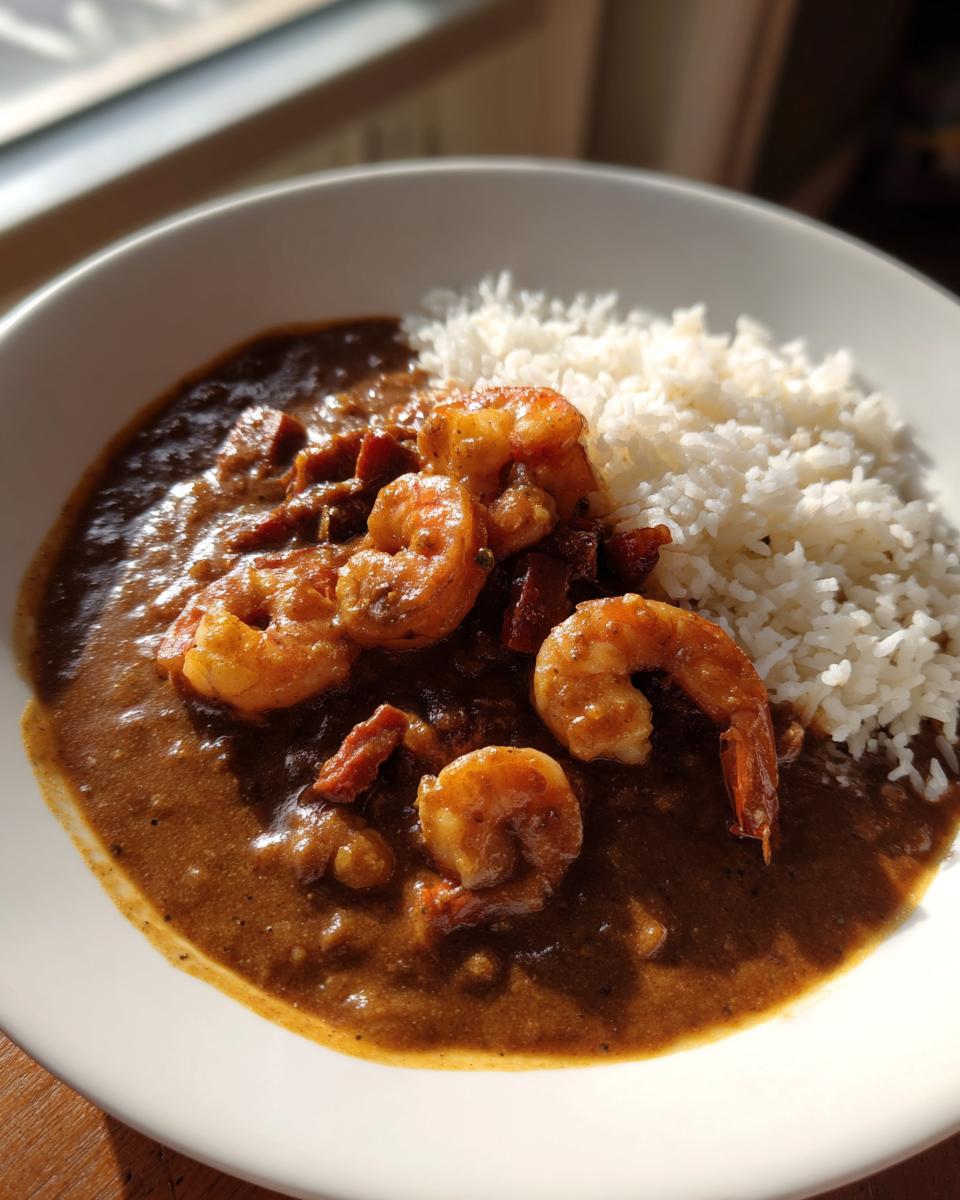
Quick Seafood Dinner Ideas: Weeknight Adaptability
I realize life gets busy, so don’t feel guilty if you need a shortcut sometimes! Remember those recipe notes I included? If you absolutely must cut corners, you can use a high-quality dark roux concentrate instead of making one from scratch. This is my secret for those nights when I need an Easy Weeknight Shrimp meal on the table without sacrificing that authentic flavor base. It keeps the promise of a fantastic dinner without the 30-minute roux commitment!
Gathering Ingredients for Your Shrimp Etouffee
Okay, let’s get our supplies ready! For this shrimp etouffee, clear organization is key because once that roux is dark, things move fast. You want everything chopped and ready to go before you even turn on the stove. I keep my spice jars right next to my cutting board so I can grab everything instantly.
For the roux itself, we keep it simple: half a cup of all-purpose flour and half a cup of vegetable oil. We need that high smoke point oil for our long stirring session!
Next up is the “trinity”—that’s the onion, green pepper, and celery—plus our garlic. Those vegetables are going to soften beautifully right into that dark base. And please, make sure you have 1 pound of raw shrimp, peeled and deveined! You don’t want to be stopping mid-simmer to clean those up.
For the flavor builders, grab your stock, diced tomatoes, thyme, oregano, and that little bit of cayenne. If you like things kicking a bit more, feel free to turn up the cayenne—this is your personal Spicy Shrimp Dish!
How to Make Authentic Louisiana Etouffee: Step-by-Step
Alright, time to roll up our sleeves! This is where the magic happens. Making fantastic shrimp etouffee is all about technique, and if you are dedicated during this first part, your dinner is practically made. Don’t rush this process; put on some good music and just stir steadily! Trust me, tasting the difference this effort makes is worth every single minute.
The Critical Dark Roux Tutorial for Shrimp Etouffee
Grab your heaviest pot—a Dutch oven is perfect—because we need even heat for this part. Over medium heat, whisk together your flour and oil until they are totally combined. Now, we stir. This isn’t simmering; this is stirring constantly, and I mean *constantly*, so you don’t burn the bottom bits! You are aiming for a color like milk chocolate. Seriously, be patient here; it takes a good 20 to 30 minutes to reach that perfect shade.
If you let it get too light, it won’t have that signature savory, nutty depth that marks a true Louisiana Classic Recipe. If you manage this step without burning it, you’ve already won! This is the foundational Dark Roux Tutorial everyone talks about.
Building the Rich Seafood Sauce Base
The second the roux hits that deep brown, immediately dump in your trinity—the onion, pepper, and celery! You have to do this fast to stop the roux from cooking further. Stir those veggies until they start to soften up, maybe about 5 to 7 minutes. Then, toss in your garlic for just a minute until you can really smell it.
This next step is crucial for a lump-free meal. Start whisking in your stock, but do it slowly! Add just a tiny splash at a time, whisking hard until it incorporates completely before adding more. Once all that stock is in, add your diced tomatoes and all the dried herbs and cayenne. This mixture will become that gorgeous, thick, and rich seafood sauce we are after. The way the vegetables melt into that sauce is just divine, kind of like the silkiness you get in a restaurant dish from a place like Pappadeaux’s—check out how they do their version right here!
Simmering and Finishing the Shrimp Etouffee
Now that we have that beautiful base, let it simmer! Reduce that heat way down, cover the pot a bit loosely, and let it bubble gently for at least 30 minutes, stirring every so often. Those flavors need time to marry together, which is the secret to that deep, soulful taste you find down in the bayou. If you rush this, it ends up tasting thin, and we don’t do thin food here! Honestly, tasting that slow-cooked flavor reminds me of why I love making food for people; it just warms you up to the core, like a warm hug in a bowl.
Once it smells absolutely incredible, it’s time for the star: the shrimp! Drop them right into the simmering sauce. They cook incredibly fast—seriously, just 5 to 7 minutes until they color up pink. Pull them out the second they are done! Overcooked shrimp in an etouffee is a tragedy I learned to avoid years ago, and I don’t want you to make that mistake. Give it a final taste for salt and pepper, remove that bay leaf, and get ready for dinner!
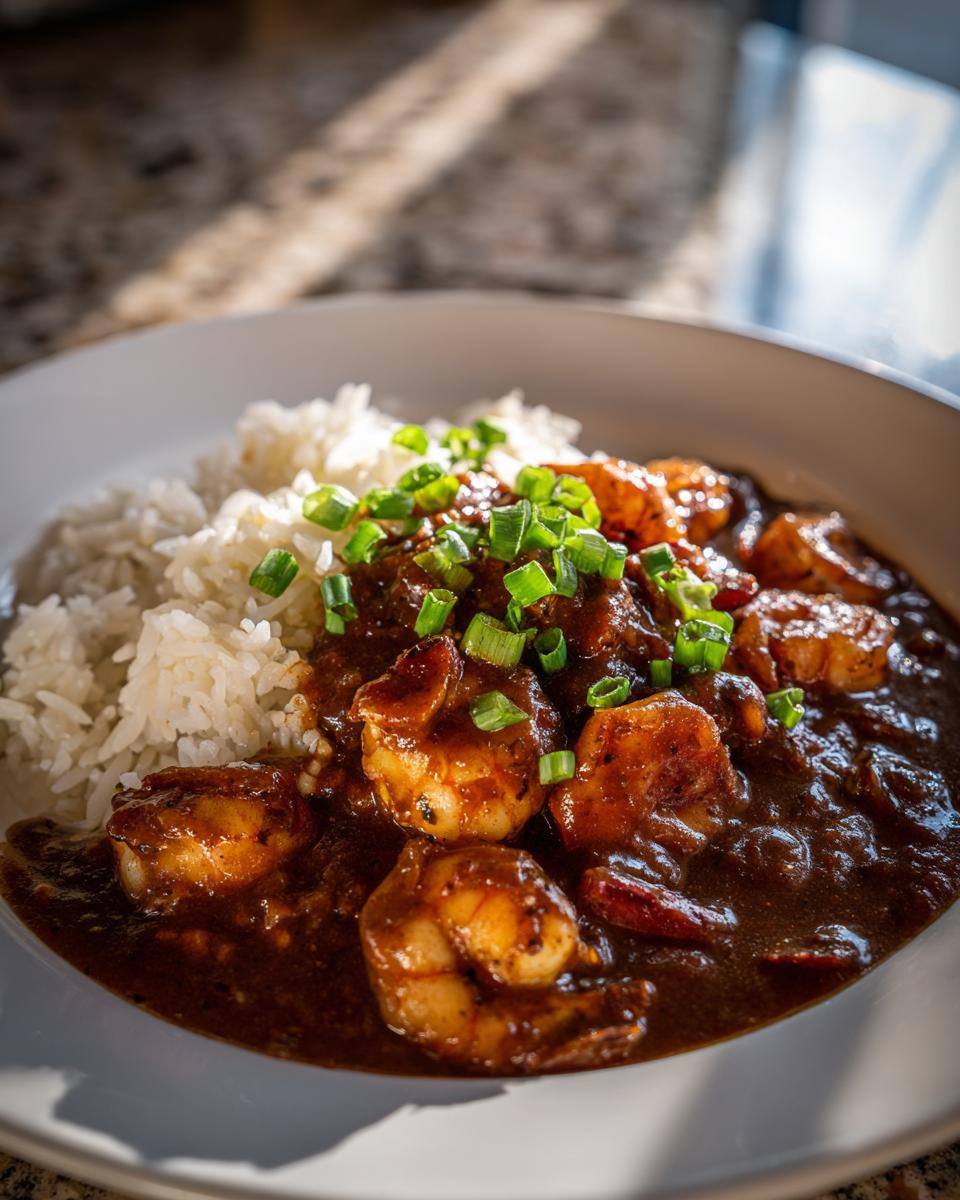
Tips for the Best Shrimp Etouffee Recipe Success
Now that you’ve conquered the dark roux—and trust me, I’ve totally scorched a batch early in my career when I wasn’t paying attention!—we need to talk about fine-tuning this masterpiece. A truly great Cajun Shrimp Recipe comes down to those little tweaks at the end. Don’t let those gorgeous shrimp get tough; remember, they only need a few minutes! Pulling them out early is always better than pulling them out late.
The best part of Louisiana food is that it has layers of history, and you get to choose your path!
Creole Seafood Dinner Variations
When folks talk about shrimp etouffee, they are usually referring to the Cajun version, which focuses purely on that rich, nutty, dark roux base. That’s what we nailed above! However, if you want a slight shift toward a more Creole style—think deeper red color and a bit more bulk from tomatoes—it’s super easy. Just add about half a cup of tomato paste right in with the garlic before you start whisking in the stock.
This addition transforms it into a slightly different but equally delicious Creole Seafood Dinner. It thickens things up nicely and adds a lovely acidity that balances the richness of the roux. See? You are already customizing your Louisiana experience!
Serving Suggestions for Your Cajun Shrimp Recipe
Okay, we have perfected the sauce, coaxed the shrimp to tenderness, and the whole kitchen smells like pure Southern magic! Now, how do we serve this magnificent shrimp etouffee? The classic, non-negotiable way is over a big, fluffy mound of hot white rice. It’s the perfect vehicle for soaking up every last drop of that Cajun shrimp recipe gravy. Seriously, make sure your rice is fresh so it can handle the weight of that rich sauce!
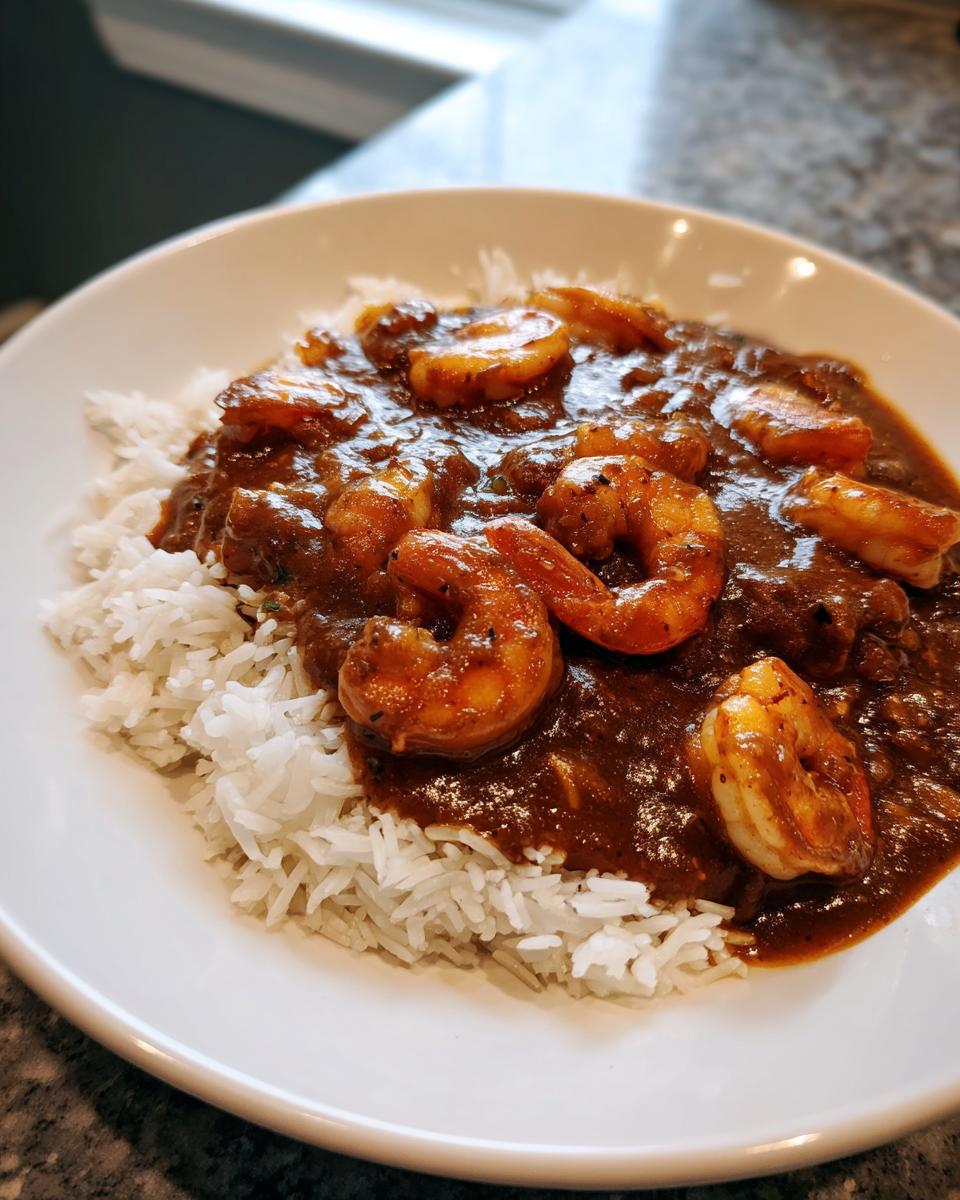
If you’re watching carbs, don’t stress! I know some of my readers prefer things lighter, so cauliflower rice works surprisingly well here. You could also serve this alongside some crusty French bread if you want something to really mop up the plate. Even those restaurant-style versions, like the Pappadeaux-inspired dishes, always rely on a sturdy base!
Storage and Reheating Instructions
One of the best things about a deeply flavored dish like this is that it usually tastes even better the next day! That simmering time really lets all those seasonings settle in beautifully. You’ve done so much work making that perfect flavorful shrimp entree; you want to make sure you store it right so you can enjoy it later.
For leftovers, just let the etouffee cool down a bit once you’ve finished eating. Store it in an airtight container in the fridge. You can easily keep it good for about three to four days this way. Remember that note I included about freezing? If you realize you made way too much, you absolutely can freeze it! Just separate a portion before you add the shrimp, or if you freeze it with the shrimp already in there, make sure you thaw it slowly overnight in the fridge before reheating.
When it’s time to eat those leftovers, please, please, please reheat gently on the stovetop over low to medium-low heat. You want that sauce to warm up evenly and slowly. Resist the urge to blast it on high heat, especially because the shrimp are delicate—we don’t want to walk back toward overcooked city! A slow warm-up will bring back all that amazing, rich flavor you worked so hard to build in the roux.
Frequently Asked Questions About Louisiana Classic Recipe
I know you might still have a few little questions floating around, especially after tackling that dark roux! It’s totally normal when you’re diving into authentic cooking. This recipe is designed to be easy to follow, but understanding the ‘why’ behind the steps really helps boost your confidence next time. Here are some of the questions I hear most often about making this perfect New Orleans Style Cooking!
How dark should my roux be for this shrimp etouffee?
This is the most important question, hands down! For the best, most authentic flavor, you are aiming for the color of milk chocolate or dark copper pennies. It should look deep and rich. If it’s the color of peanut butter, you need to keep stirring! If you go too light, your etouffee will taste floury rather than nutty, and if you burn it (oops!), you have to start over. Patience now saves you from heartache later!
Can I use chicken stock instead of seafood stock?
You absolutely can, especially if getting seafood stock is a nightmare where you live! Chicken stock works just fine and still delivers a beautiful, savory base for our Savory Seafood Meal. However, if you can find seafood stock, use it—it adds a subtle background oceanic note that makes the dish sing. If you use chicken stock, maybe add a splash of dry white wine when you add the tomatoes to brighten things up a bit!
How do I make this a Pappadeaux-inspired version?
Ah, the restaurant style! That creamy texture Pappadeaux is famous for usually comes from adding a touch of heavy cream right at the very end, or by using the Creole variation we discussed, which relies more heavily on tomatoes for body. To get that creamy consistency that feels extra luxurious, try whisking in just 1/4 cup of heavy cream about five minutes before you add the shrimp. It makes the sauce incredibly velvety smooth, though it moves it slightly away from the purest Cajun definition. You can find some great ideas on one of my favorite versions inspired by them here!
My roux seized up when I added the vegetables; did I mess up?
Nope! Don’t panic! When you rapidly drop the temperature by adding the cool mirepoix (onion, pepper, celery) to the hot roux, it often seizes up and looks like a thick, sticky paste. This happened to me tons of times years ago until I realized I just needed to keep stirring over the heat. That vegetable moisture will free it up, and soon enough, it will blend back into a smooth base for your main liquid!
Nutritional Estimate for Your Savory Seafood Meal
I always hear questions about how to fit rich, delicious food like this into a balanced diet, and since you’ve put in the work creating such a flavorful base, I wanted to give you a quick look at the numbers. Now, I have to say this upfront: these figures are just estimates, okay? They are based on the ingredients listed in this recipe, and they absolutely do not include the fluffy white rice you’ll be serving it over, which really adds up!
This data is for one serving size of the etouffee itself, without any rice. It’s a genuinely hearty and satisfying Savory Seafood Meal!
Here’s the breakdown:
- Calories: Around 350 per serving. Not bad at all for something this flavorful!
- Protein: A whopping 30 grams. Thanks to all that lovely shrimp, this is going to really keep you feeling full.
- Fat: About 18 grams total. Remember, a good portion of that comes directly from the oil we use to build that beautiful, foundational roux.
- Carbohydrates: Around 18 grams. Most of those carbs are coming from the vegetables and the flour used to thicken the sauce, not added sugars.
The great thing about making your own Cajun seasoning at home is that you are totally in control. If you want less sodium, dial back the salt added at the end, or use a low-sodium stock. You see? Food made at home is always the best way to eat well!
Share Your New Orleans Style Cooking Success
Whew! That was an adventure, wasn’t it? Seriously, tackling that dark roux for your shrimp etouffee is a huge accomplishment, and I am so proud of you for sticking with it. Now that you’ve got this incredible, rich, homemade flavor base, I absolutely need to hear about it!
When you sit down with your plate of that perfect Seafood over Rice, please jump down to the comments section below. Tell me, how dark did your roux get? Did it look like milk chocolate, or did you go even deeper? I live for those little details from my readers!
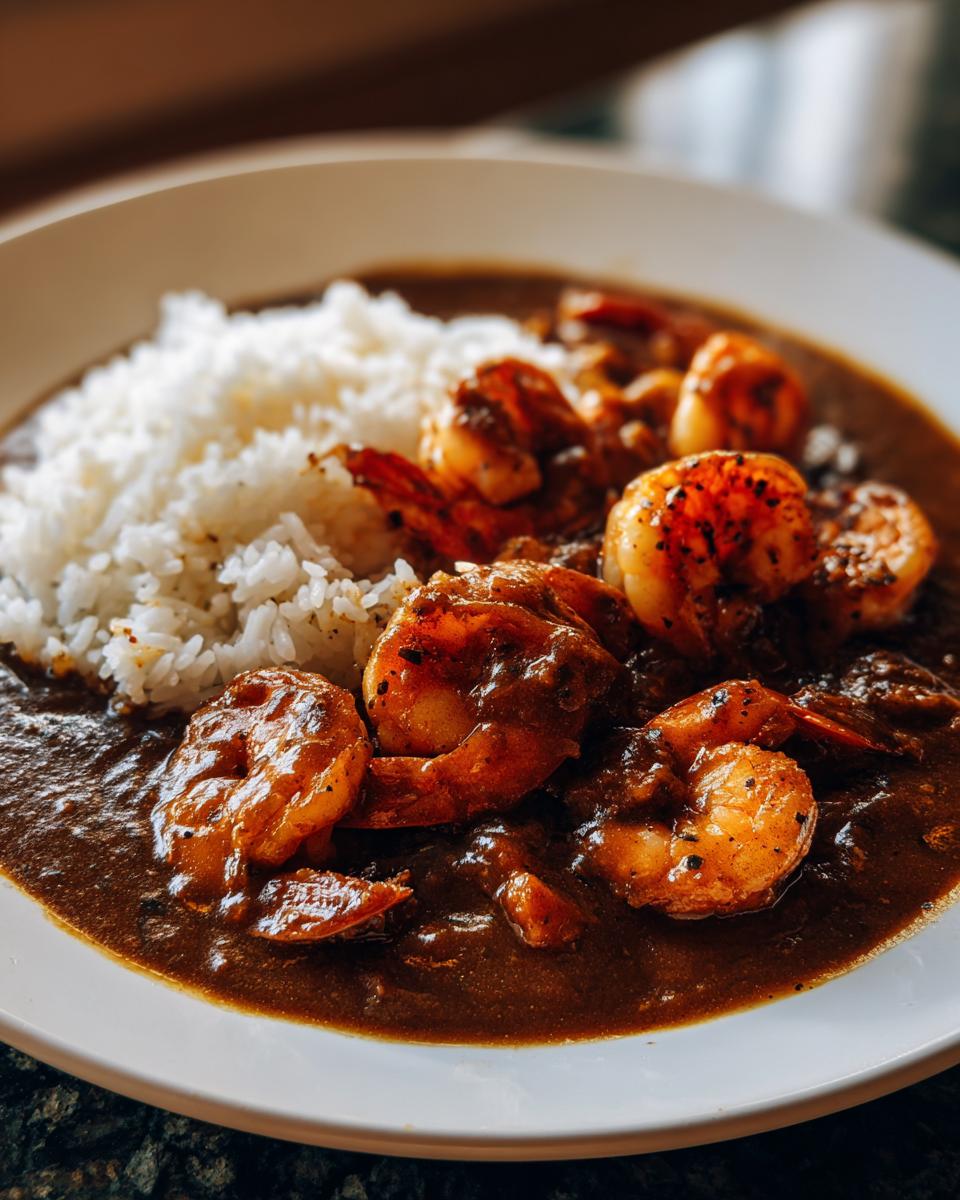
If you made this show-stopping Cajun delight and snapped a picture, please tag me on social media! Seeing your gorgeous plates of soul-warming New Orleans Style Cooking is seriously the best part of my day. You can find me all over, just look for Katie at Frosted Fancies. Happy cooking, and enjoy every single savory bite of that incredible etouffee you just mastered. Don’t forget to rate this recipe with five stars if it brought true Louisiana flavor to your table, just like the folks who tried this one!
PrintAuthentic Cajun Shrimp Etouffee: Master the Dark Roux

Welcome! We’re so glad you’re here. This recipe gives you the confidence to create a rich, savory, and flavorful Shrimp Etouffee, a classic Louisiana dish, using a foundational dark roux technique. It is tested and perfected for your home kitchen.
- Prep Time: 15 min
- Cook Time: 50 min
- Total Time: 65 min
- Yield: 4 servings 1x
- Category: Dinner
- Method: Stovetop Simmering
- Cuisine: Cajun/Creole
- Diet: Vegetarian
Ingredients
- 1/2 cup all-purpose flour
- 1/2 cup vegetable oil
- 1 large yellow onion, chopped
- 1 green bell pepper, chopped
- 2 celery stalks, chopped
- 3 cloves garlic, minced
- 1 pound raw shrimp, peeled and deveined
- 4 cups seafood or chicken stock
- 1 (14.5 ounce) can diced tomatoes, undrained
- 1 teaspoon dried thyme
- 1 teaspoon dried oregano
- 1/2 teaspoon cayenne pepper (adjust for spice level)
- 1 bay leaf
- Salt and black pepper to taste
- Hot cooked white rice, for serving
Instructions
- Make the dark roux: In a heavy-bottomed pot or Dutch oven, combine the flour and oil over medium heat. Stir constantly until the mixture turns a deep, dark brown color, resembling milk chocolate. This step requires patience; do not rush it. This process takes about 20 to 30 minutes.
- Add the mirepoix: Once the roux is dark, immediately add the chopped onion, bell pepper, and celery. Stir constantly for about 5 to 7 minutes until the vegetables soften. The roux will seize up slightly; keep stirring.
- Add the garlic: Stir in the minced garlic and cook for 1 minute until fragrant.
- Build the sauce: Gradually whisk in the seafood stock, a little at a time, ensuring the roux dissolves smoothly into the liquid without lumps. Add the diced tomatoes, thyme, oregano, cayenne pepper, and bay leaf.
- Simmer: Bring the mixture to a simmer. Reduce the heat to low, cover partially, and let the etouffee cook for at least 30 minutes, stirring occasionally. This allows the flavors to meld.
- Add the shrimp: Season the mixture with salt and pepper. Add the peeled shrimp to the pot. Cook for 5 to 7 minutes, or until the shrimp are pink and cooked through. Do not overcook the shrimp.
- Finish and serve: Remove the bay leaf. Taste and adjust seasoning if needed. Serve your rich seafood sauce immediately over hot cooked white rice.
Notes
- For a quicker weeknight version, you can substitute the homemade dark roux with 1/4 cup of dark roux concentrate or a pre-made dark roux paste, reducing the initial cooking time significantly.
- If you prefer a Creole style, add 1/2 cup of tomato paste with the garlic.
- This dish freezes well after the shrimp are added, but thaw slowly and reheat gently on the stovetop.
Nutrition
- Serving Size: 1 serving (without rice)
- Calories: 350
- Sugar: 4
- Sodium: 650
- Fat: 18
- Saturated Fat: 3
- Unsaturated Fat: 15
- Trans Fat: 0
- Carbohydrates: 18
- Fiber: 3
- Protein: 30
- Cholesterol: 220