

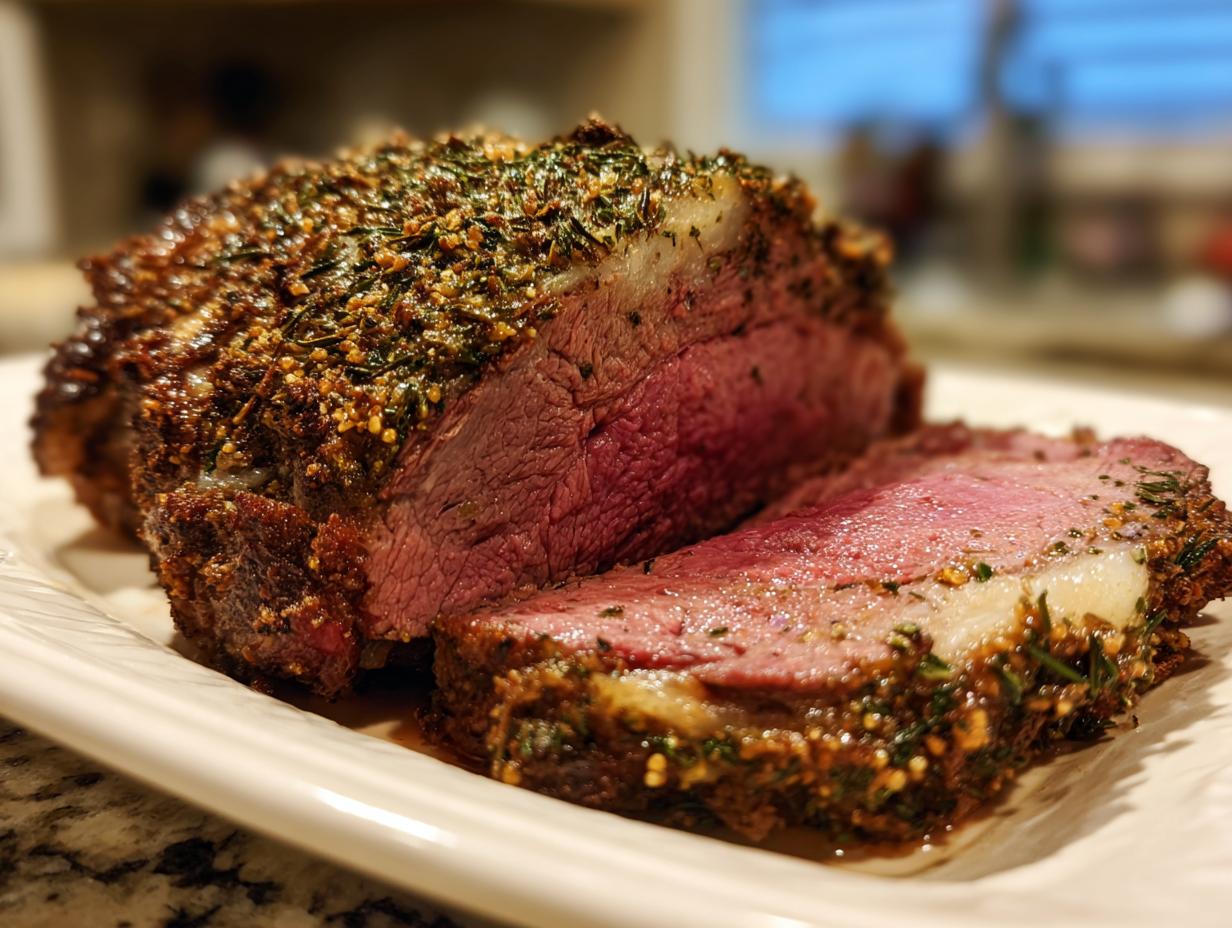
Hello there, and welcome to the kitchen! If you’re anything like I was when I first started tackling big cuts of beef, the sheer size of a standing rib roast can feel downright terrifying. It’s expensive, it’s the star of the show on Christmas Day, and the thought of serving a dry, grey disaster is enough to make anyone reach for takeout! But trust me, cooking a magnificent Prime Rib Roast doesn’t need to be stressful. That’s why I developed this recipe for a **rib roast** that is truly foolproof. We are going to achieve the most beautiful, juicy, medium-rare center wrapped in a crackly, herbaceous crust. After years of developing recipes professionally for magazines, I learned the science behind keeping that beef tender, and I promise to share every single trick with you here!
- Why This Herb Crusted rib roast is Your New Holiday Centerpiece
- Selecting the Best rib roast Cut for Success
- Ingredients for Your Herb Crusted rib roast
- How to Cook rib roast: The Foolproof Oven Method
- Serving Suggestions for Your Holiday Roast Dinner
- Storage and Reheating Instructions for Leftover rib roast
- Frequently Asked Questions About Your rib roast
- Estimated Nutritional Data for this rib roast Serving
- Share Your Special Occasion Meat Success
Why This Herb Crusted rib roast is Your New Holiday Centerpiece
I wrote this guide because I believe every home cook deserves to serve up a show-stopping main dish without the anxiety. This **rib roast** elevates any meal, turning a regular Sunday into a Holiday Roast Dinner. It looks impossibly fancy, but I promise, the execution is simple thanks to our scientific approach. You are going to feel like a culinary hero!
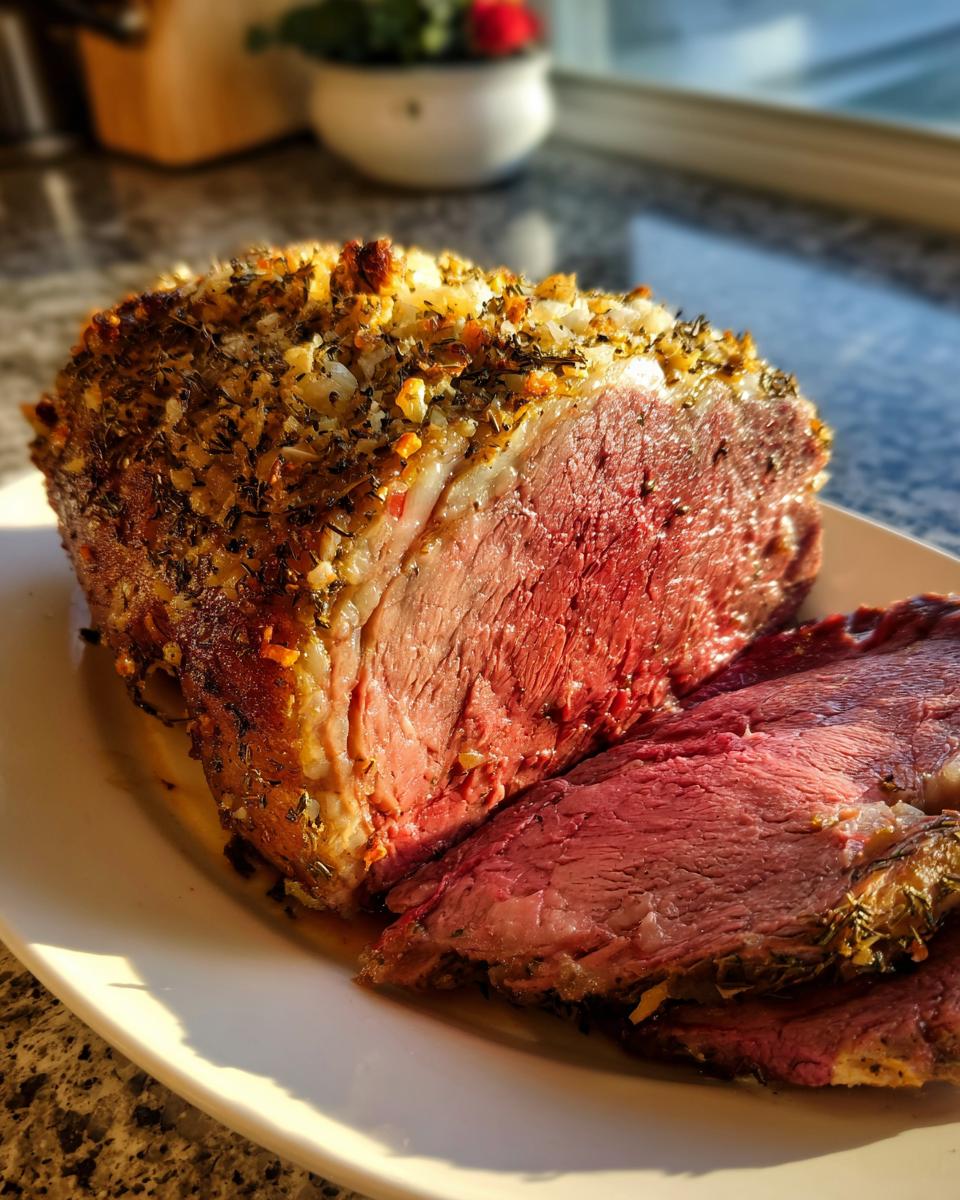
- Guaranteed Tender Beef Roast Results: We nail this by focusing only on internal temperature, not guesswork. That means resting time is mandatory, locking in all those beautiful juices so you get a genuinely Tender Beef Roast from edge to edge.
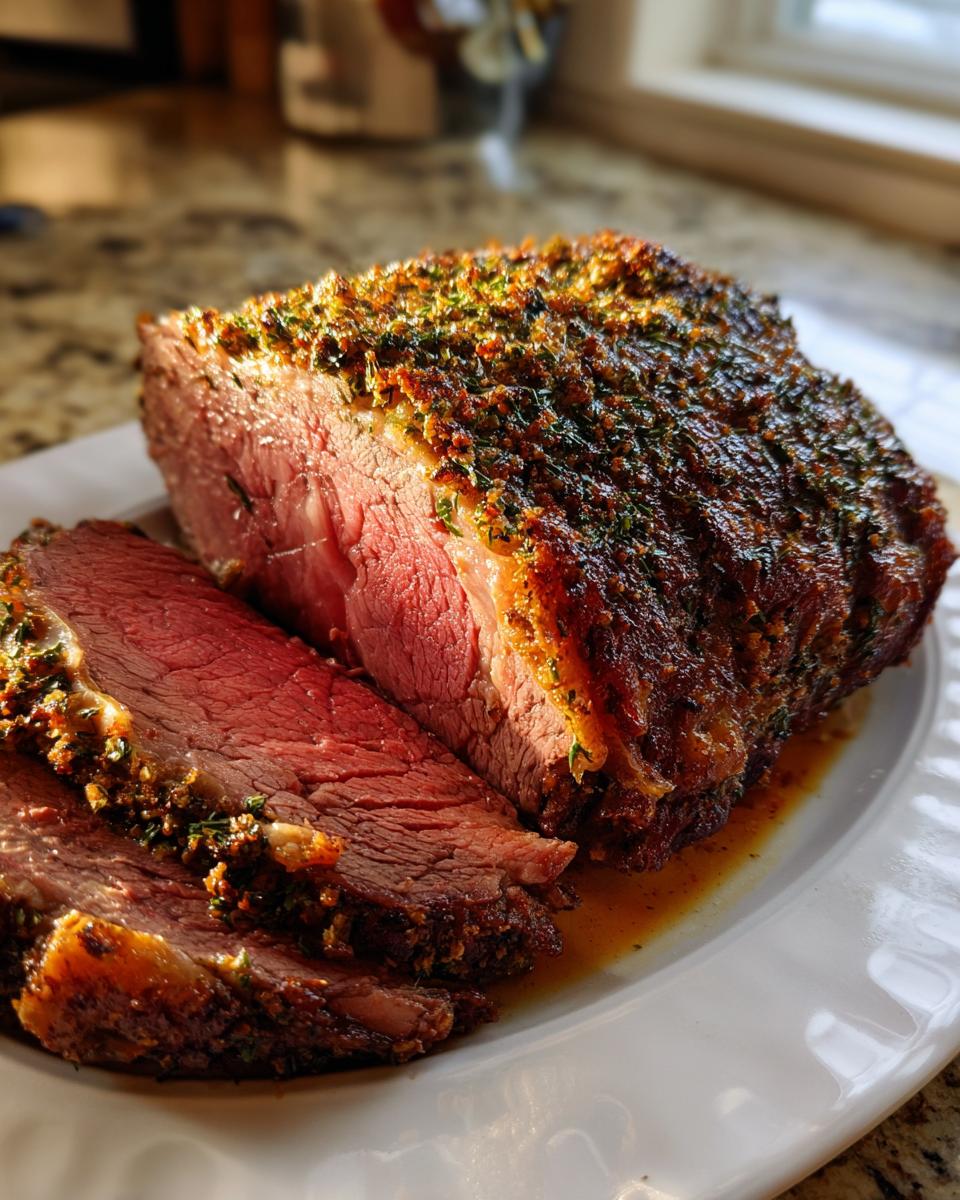
- The Flavor of a Perfect Herb Crusted Roast: Forget bland beef! Our garlic and herb butter creates an almost caramelized shell on the exterior. This robust outer layer contrasts perfectly with the subtle, rich beef inside. It’s the superior Herb Crusted Roast experience, and you can see how others have loved this foolproof method over at this recipe!
Guaranteed Tender Beef Roast Results
The entire secret to avoiding dry meat is pulling the roast out of the oven *before* it hits your target temperature. I’ve seen so many people overcook their beautiful roast by just five degrees! We use an accurate thermometer and then let carryover cooking do the rest during the rest. No more dry ends, only glorious Juicy Roast Beef.
The Flavor of a Perfect Herb Crusted Roast
When that high heat hits the butter and herbs—rosemary, thyme, garlic—the aroma alone is worth the price of admission. It’s savory, earthy, and rich. This crust isn’t just for show; it adds a depth of flavor that makes this cut shine. Seriously, this is my absolute favorite preparation for any big Ribeye Roast Recipe.
Selecting the Best rib roast Cut for Success
Okay, now that you’re committed to making the most incredible rib roast, let’s talk about picking the right piece of meat. This is where you invest your money, so we want to get it right! For home cooks, you’ll mostly see this labeled as a Prime Rib Roast or a Standing Rib Roast. For all intents and purposes, they are the same spectacular cut of beef, often used interchangeably in a great Prime Rib Recipe.
I always, always recommend bone-in. The bones act as insulation, helping the roast cook more evenly, which is crucial if you want that perfect edge-to-edge Medium Rare Roast. While boneless is easier for carving, you sacrifice a little flavor and precision cooking. You can peek at some gorgeous bone-in options over at this site for inspiration!
Understanding Your rib roast Size and Weight
When you’re grocery shopping, the roast is usually sold by the number of ribs attached. A general rule of thumb I use is planning for about one pound per person if you’re going bone-in. That means a two-rib roast easily feeds three or four hungry people, and a three-rib roast is fantastic for a slightly larger family celebration or Christmas Beef Centerpiece.
Ingredients for Your Herb Crusted rib roast
Alright, let’s talk about what you need to create this amazing flavor profile. Since this is an expensive cut of beef, using good quality ingredients really matters! Don’t skimp here; these simple components are what make our Garlic Butter Roast truly something special. Everything you need should be right in your pantry or easily found at the store. You can find more great tips on prepping your roast over at this pinning resource.
Here is exactly what you need for the rub and seasoning:
- 1 (5-7 pound) Standing Rib Roast (Prime Rib Roast), 2-3 ribs
- 3 tablespoons coarse kosher salt
- 2 tablespoons freshly ground black pepper
- 1 tablespoon dried thyme
- 1 tablespoon dried rosemary
- 1 tablespoon garlic powder
- 4 cloves garlic, minced
- 1/4 cup olive oil
- 1/4 cup unsalted butter, softened
- 1/4 cup fresh parsley, chopped
Now, let’s have a quick chat about that salt. I insist on coarse kosher salt for this preparation. Why? Table salt dissolves almost instantly and can actually start to draw moisture out of the beef prematurely, leading to a less seasoned crust. Coarse salt adheres better to the surface and dissolves slowly as the roast cooks, giving you that perfect, even salinity and helping develop a beautiful crust. Trust me on this one step; it makes a huge difference in your final rib roast!
How to Cook rib roast: The Foolproof Oven Method
Alright, deep breaths! This is the moment where we transform that beautiful hunk of meat into the legendary centerpiece you’ve always dreamed of serving. My method, refined through hundreds of recipe tests, relies heavily on temperature control. If you follow these steps—especially the two-stage cooking—you absolutely will not end up with dry roast beef. This process ensures you get that incredible crust while keeping the interior wonderfully juicy. It’s easy, but you have to trust the thermometer! For a complete look at this technique, check out the excellent guide over at Perfect Prime Rib Roast.
Step 1: Tempering and Preparing the rib roast
First things first: take that rib roast out of the fridge at least two to three hours before you even think about turning the oven on. This is called tempering, and it’s vital! If the meat is ice cold in the center, the outside will cook way too fast before the middle ever catches up. Once tempered, pat the entire surface aggressively dry with paper towels. A dry surface equals better browning and a crispier crust on your Oven Roasted Beef!
Step 2: Applying the Garlic Butter Roast Rub
Now, go mix up that wonderful herb butter we prepared. Once it’s smooth, start coating the entire roast. Don’t just slather it on top, though! I always make sure to get some of that beautiful savory rub tucked under the fat cap where it meets the meat for maximum flavor. Really work it in everywhere—top, bottom, and sides. This herb crust is what separates a good roast from a truly unforgettable one. For another way to approach this huge cut, the method shared by Wocook is also fantastic!
Step 3: Searing and Roasting the rib roast
Preheat your oven to a blazing 450 degrees Fahrenheit! We are going to blast the roast for 15 minutes per pound to form that delicious crust—this is the sear. For a standard 6-pound beauty, that’s about an hour and a half of high heat, but don’t rely on time! After that initial searing period, you drop the temperature down to 325 degrees Fahrenheit immediately. Keep checking the internal temperature. This is our Roast Cooking Temperature Guide in action! We pull the rib roast when it hits 125 degrees Fahrenheit for that perfect Medium Rare Roast. If you want to see a famous chef tackle this, Gordon Ramsay has a great video on his standing rib roast technique right here.
The Non-Negotiable Rest Period for Your rib roast
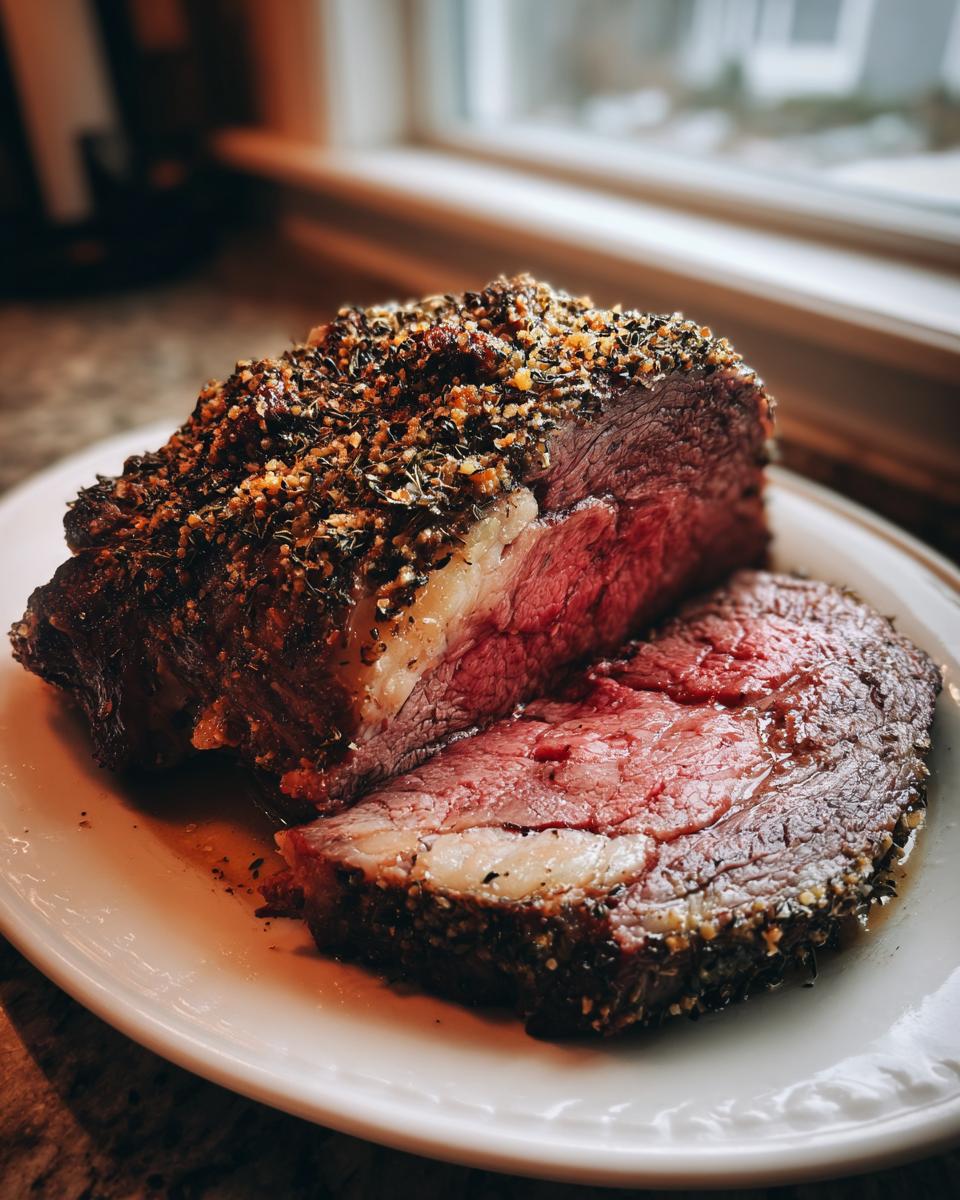
I see you wiping down the counter, ready to carve—STOP! This last step is crucial for achieving the most Tender Beef Roast possible. Once you pull that roast out at 125 degrees, you must tent it loosely with foil and let it sit for at least 20 to 30 minutes. Seriously, set the timer. During this rest, the muscle fibers relax and redistribute all those hot juices trapped in the center back into the meat. If you skip this, those juices run all over your cutting board, and you end up with a drier roast. Trust the science; this rest is what guarantees you amazing Juicy Roast Beef!
Serving Suggestions for Your Holiday Roast Dinner
Once your spectacular **rib roast** has rested—and please, don’t skip that rest!—it’s time to think about what else is hitting the table for your Holiday Roast Dinner. This kind of **Special Occasion Meat** deserves some equally fantastic sides. Honestly, simple roasted root vegetables or creamy mashed potatoes work perfectly, letting the beef shine. It’s the kind of meal that just feels warm and celebratory, perfect for an elevated Sunday Dinner Roast. If you need inspiration for other roast methods, you can check out some great tips over at A Spiced Life!
Making the Best Roast Beef Gravy from Pan Drippings
You absolutely cannot let all those gorgeous brown bits in the bottom of your roasting pan go to waste! That is pure gold right there. Once you lift your roast out, put the pan right back on the stovetop over medium heat. Whisk in a tablespoon of flour, let it cook for just a minute—that’s your roux—and then slowly whisk in a cup or two of beef broth or stock. Keep scraping up all those flavorful little stuck-on bits from the bottom; that’s where all the deep flavor for your Roast Beef Gravy comes from! Let it bubble and thicken up. Honestly, a simple homemade gravy poured over thick slices of that juicy beef is pure heaven.
Storage and Reheating Instructions for Leftover rib roast
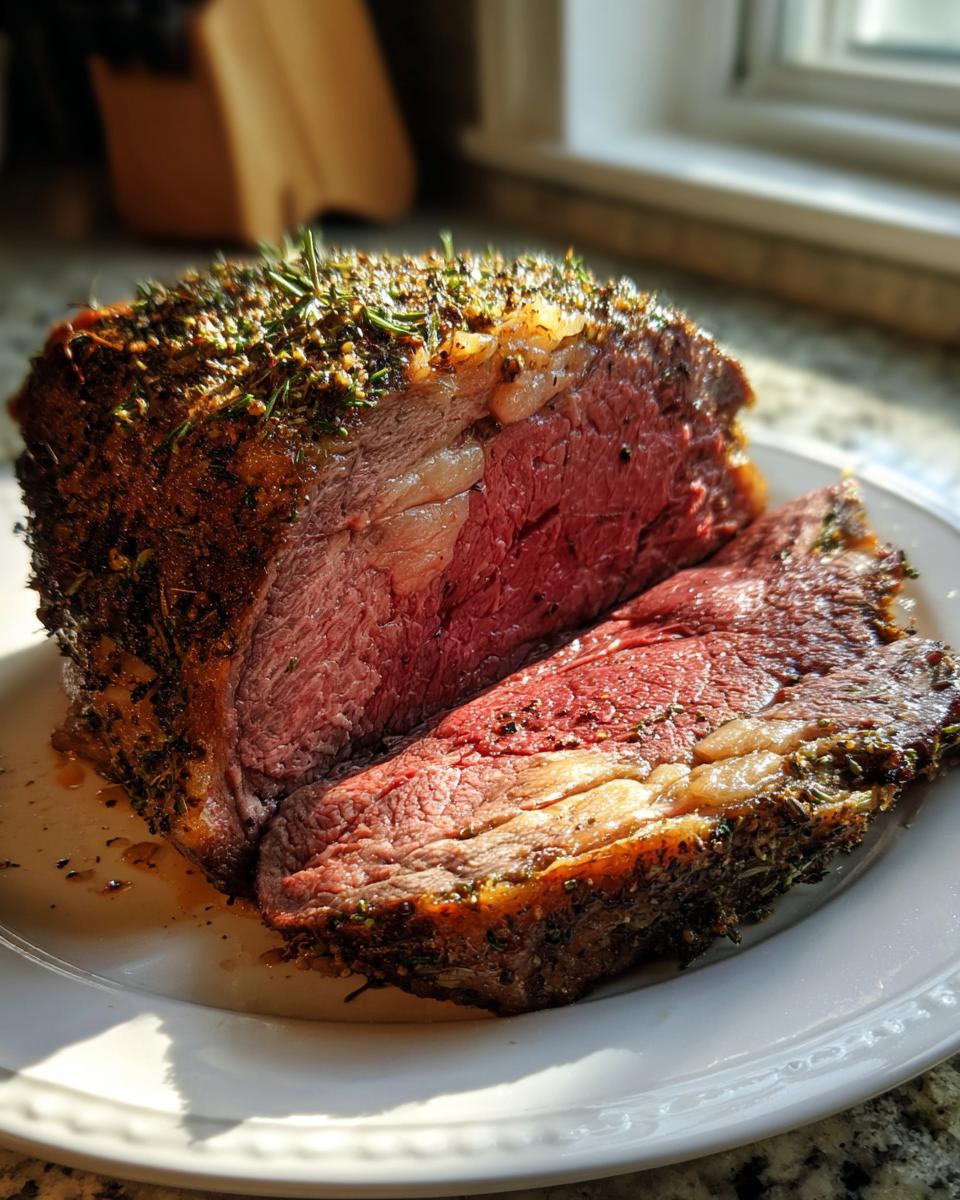
You’ve done it! A successful rib roast means you probably have some leftovers, which, let’s be honest, are just as good the next day! To keep that meat tasting fresh, slice whatever you plan to eat within the next few days relatively thin and store it in an airtight container in the fridge. Do not slice the whole thing at once if you plan on saving it for later in the week!
When it comes time to reheat those precious slices, the microwave is usually the enemy because it dries things out fast. Instead, I highly recommend reheating thin slices gently over low heat in a little bit of beef broth or just the pan drippings you saved. It reintroduces that lovely moisture and keeps your leftovers tasting just as delicious as the first night. For even more tips on preserving the perfection of your roast, check out these great ideas on Recipes by Beckett!
Frequently Asked Questions About Your rib roast
I know big roasts come with big questions! You’ve nailed the crust and you’ve nailed the rest, but maybe you’re still wondering about what you bought or if this works for different cuts. It’s smart to double-check everything before you commit to cooking an expensive cut of beef. Don’t worry, I’ve fielded these questions hundreds of times over my years in the test kitchen. If you want to see how others achieved melt-in-your-mouth results, check out some experiences shared on Food & Wine!
What is the difference between a rib roast and a Prime Rib Recipe?
This is my favorite question because it clears up so much confusion! For 99% of home cooks, there’s no real difference between a **rib roast**, a standing rib roast, or the basis of a great **Prime Rib Recipe**. They all come from the same primal section of the steer and share those beautiful rib bones and incredible marbling. When you buy a ‘Prime Rib Roast,’ you’re getting the standing rib roast, which is the star of any Holiday Roast Dinner. So, if you’re shopping for a standing rib roast, you’ve already got the best setup for a fantastic beef roast!
Can I cook a Cross Rib Roast using this method?
You absolutely can! While my foolproof method focuses on the standing rib roast because of the bones, you can certainly apply the same high-heat sear followed by the lower, slower finish to a Cross Rib Roast. The main difference is that the Cross Rib Roast is usually sold boneless, meaning it may cook slightly faster than the bone-in version. Because of this, you need to rely even more heavily on that meat thermometer to nail that perfect Medium Rare Roast center. You can find some helpful context on cooking different beef cuts here!
How do I avoid the grey band when making a rib roast?
Ah, the dreaded grey band—that ring of overcooked meat right under the exterior crust? It happens when the surface gets too hot for too long while the center slowly tries to catch up. This is exactly why we use the two-stage temperature technique! By searing high (450°F) for a short, intense burst to form that crust, and then immediately reducing the heat (to 325°F), we tell the outside, “Slow down!” Couple that with removing the rib roast a few degrees *before* it hits your final target temperature, and that grey band simply won’t have time to form. It all comes down to trusting your thermometer!
Estimated Nutritional Data for this rib roast Serving
Now, I know when you’re cooking a showstopper like this **rib roast**, you’re probably not thinking too hard about macros, but it’s nice to have a general idea, right? Since this is a rich cut of beef prepared with our fantastic herb crust, I wanted to give you a ballpark estimate for a standard serving size. Remember, this is based on the recipe as written, assuming a standard trim and bone-in roast, so your actual numbers might shift a little depending on how much fat you trim off during carving.
I always encourage you to check out the full recipe details and see some other amazing meal ideas, perhaps like this incredible Prime Rib Recipe from Natasha’s Kitchen, if you’re looking for variation!
Here is a general nutritional estimate for a 5 oz serving of the cooked meat:
- Serving Size: 5 oz cooked meat
- Calories: 450
- Sugar: 0
- Sodium: 450
- Fat: 30
- Saturated Fat: 12
- Unsaturated Fat: 18
- Trans Fat: 0
- Carbohydrates: 0
- Fiber: 0
- Protein: 40
- Cholesterol: 140
A Quick Note on These Numbers: These figures are estimates based on the ingredients provided and generally represent the lean meat portion. Since we’re using a beautiful, marbled cut for our **Juicy Roast Beef**, the fat content will certainly be higher than leaner cuts of beef. If you trim more fat away before plating, you’ll lower the overall fat and calorie count. But honestly, when you’re serving an Oven Roasted Beef centerpiece this good, sometimes you just have to enjoy a little indulgence! This is what special occasions are for!
Share Your Special Occasion Meat Success
Whew! You just cooked a spectacular rib roast! Seriously, take a moment to be proud of yourself. Turning such a magnificent cut of beef into a perfectly cooked, herb-crusted showstopper is a huge accomplishment. Now the most fun part begins—sharing the victory with our community here at Frosted Fancies!
I truly love hearing from you all when you try one of these centerpiece dishes. Did you serve it for Christmas, or maybe an anniversary dinner? What mashed potatoes did you pair with your Juicy Roast Beef? Don’t be shy! Please jump down to the comments section and let me know how it went. Knowing that my professional background helped guide you to success with this intimidating dish is what keeps me developing these recipes. For more validation on how great this roast turns out, you can always check out the wonderful results others found using the method detailed in this resource!
If this guide helped you conquer your roast fears, please give the recipe five stars above. It really helps other cooks—especially those nervous about cooking a big roast for the first time—know that this method, which I perfected using my professional background, really works. Happy cooking and sharing, friends!
PrintFoolproof Herb Crusted Prime Rib Roast for a Juicy Medium-Rare Centerpiece
This guide shows you how to cook the perfect Standing Rib Roast using a simple oven method. Achieve a tender, juicy result with a flavorful garlic herb crust every time you make this special occasion beef roast.
- Prep Time: 20 min
- Cook Time: 15 min per pound
- Total Time: 2 hours 30 min
- Yield: 6 servings 1x
- Category: Main Course
- Method: Oven Roasting
- Cuisine: American
- Diet: Low Fat
Ingredients
- 1 (5-7 pound) Standing Rib Roast (Prime Rib Roast), 2-3 ribs
- 3 tablespoons coarse kosher salt
- 2 tablespoons freshly ground black pepper
- 1 tablespoon dried thyme
- 1 tablespoon dried rosemary
- 1 tablespoon garlic powder
- 4 cloves garlic, minced
- 1/4 cup olive oil
- 1/4 cup unsalted butter, softened
- 1/4 cup fresh parsley, chopped
Instructions
- Remove the rib roast from the refrigerator 2 to 3 hours before cooking to allow it to come closer to room temperature. This helps the roast cook evenly.
- Prepare the herb butter rub: In a small bowl, combine the softened butter, minced garlic, chopped parsley, dried thyme, and dried rosemary. Mix until fully combined.
- Pat the entire surface of the rib roast dry with paper towels. Season generously all over with the kosher salt and black pepper.
- Spread the herb butter mixture evenly over the entire surface of the roast.
- Preheat your oven to 450 degrees Fahrenheit. Place the roast, fat side up, in a roasting pan fitted with a rack.
- Sear the roast: Place the pan in the preheated oven and roast at 450 degrees Fahrenheit for 15 minutes per pound of roast weight. This high heat helps form a flavorful crust.
- Reduce the oven temperature to 325 degrees Fahrenheit after the initial searing time. Continue roasting until the internal temperature reaches your desired doneness. Use a reliable meat thermometer inserted into the thickest part of the roast, avoiding bone.
- For medium-rare, remove the roast when the internal temperature reads 125 degrees Fahrenheit. For medium, remove at 135 degrees Fahrenheit.
- Remove the rib roast from the oven. Tent it loosely with aluminum foil. Let the roast rest for at least 20 to 30 minutes before carving. Resting allows the juices to redistribute, ensuring a tender beef roast.
- Carve the roast into slices about 1/2 inch thick. Serve immediately with pan drippings or gravy.
Notes
- For the juiciest result, always use a meat thermometer to monitor the internal temperature. Do not rely solely on cooking time charts.
- If you prefer a crispier crust, you can increase the initial searing temperature to 500 degrees Fahrenheit for 10 minutes, then reduce to 325 degrees Fahrenheit.
- Save the pan drippings to make a simple roast beef gravy to serve alongside your holiday roast dinner.
Nutrition
- Serving Size: 5 oz cooked meat
- Calories: 450
- Sugar: 0
- Sodium: 450
- Fat: 30
- Saturated Fat: 12
- Unsaturated Fat: 18
- Trans Fat: 0
- Carbohydrates: 0
- Fiber: 0
- Protein: 40
- Cholesterol: 140