

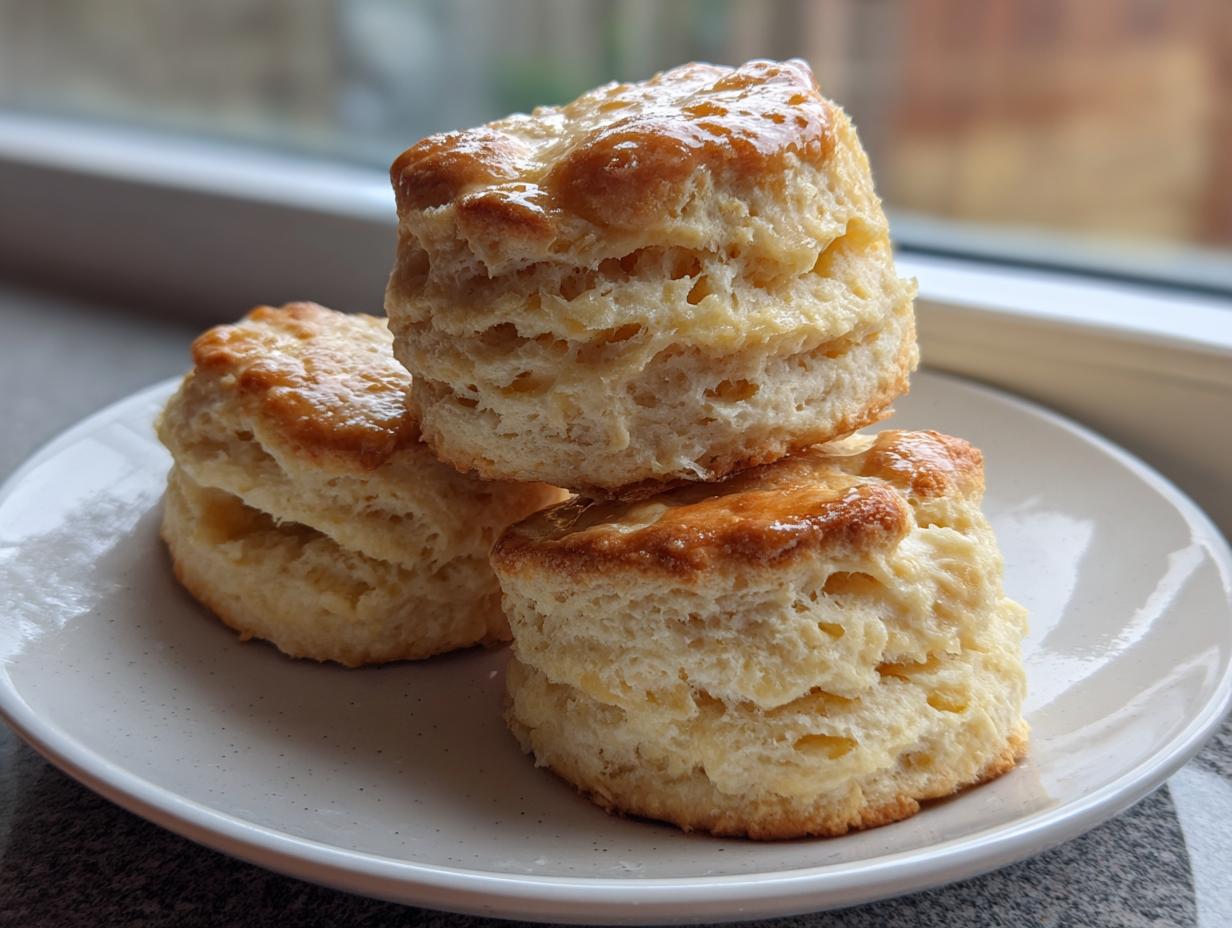
Hello there! Welcome to Frosted Fancies. I’m Katie, and I truly believe that everyone deserves incredible, bakery-style baked goods right from their own oven without all the fuss. If you’ve ever taken a sad bite out of what was supposed to be a fluffy scone only to find it flat, dry, or crumbly in all the wrong ways, I totally get it! That frustration used to happen to me until I applied what I learned from years in Food Science and professional recipe development. Trust me when I say, we are conquering the flat scone problem today. This recipe is my tried-and-true method for guaranteeing you get perfectly tall, light, and buttery homemade scones every single time you bake them.
- Why These Are the Best Buttermilk Scones Recipe You Will Ever Make
- Gathering Ingredients for Perfect Scones
- How to Make Scones From Scratch: Step-by-Step Instructions
- Tips for Success with Classic Tea Scones
- Serving Suggestions for Your Buttery Homemade Scones
- Storage and Make Ahead Scones Guide
- Common Questions About Making Tender Crumb Scones
- Estimated Nutritional Data for These Scones
- Share Your Fluffy Scones Creations
Why These Are the Best Buttermilk Scones Recipe You Will Ever Make
Wow, calling these the ‘best’ might sound like I’m bragging, but honestly, these are the blueprint for perfect scones. If you’re looking for a truly fluffy scones recipe that rivals what you pay big money for at the coffee shop, you’ve found it. My professional background in food science means I know exactly how to manipulate ingredients to get that stunning height and unbelievably tender crumb. Forget flat, dense hockey pucks! This recipe is all about reliable technique.
Achieving Tall Flaky Scones Every Time
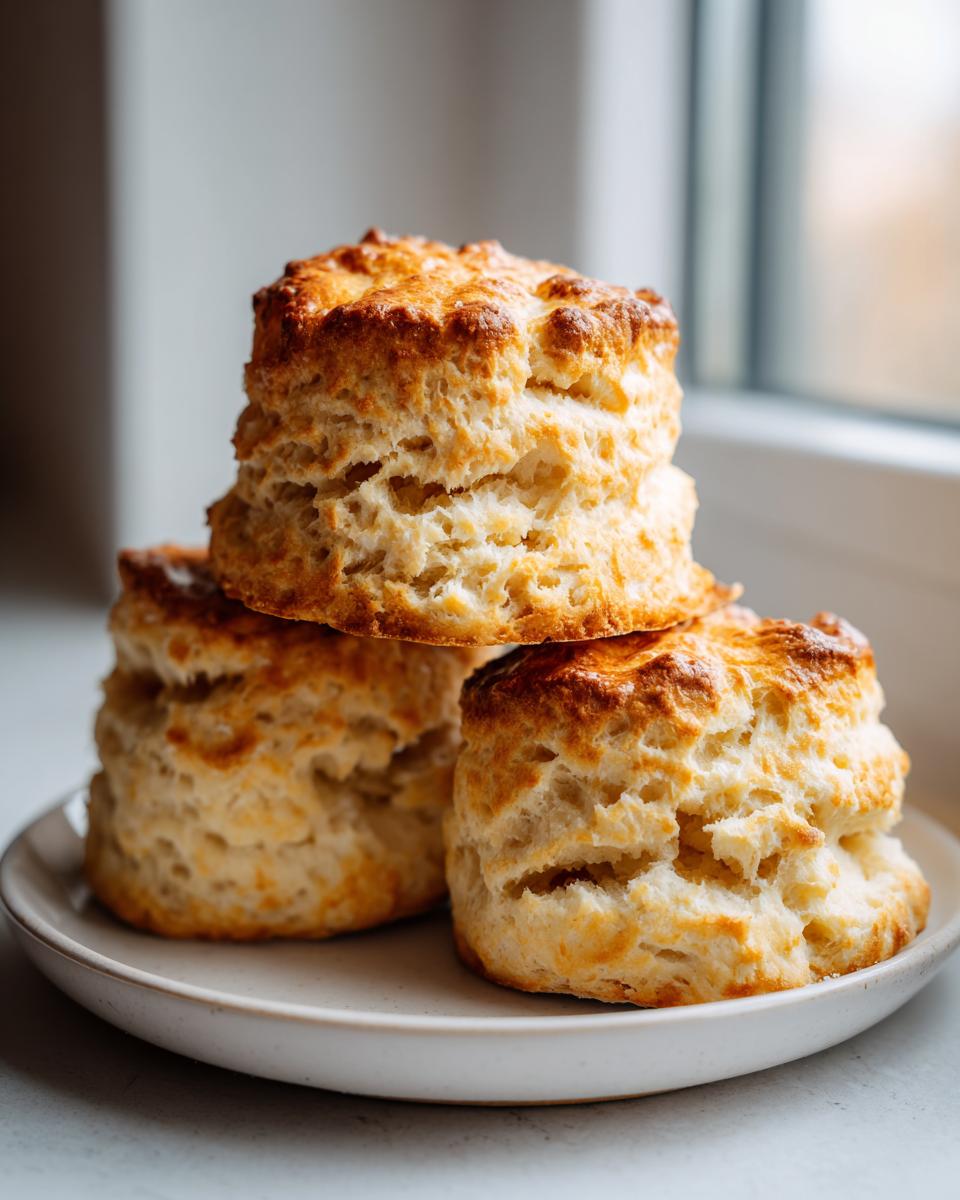
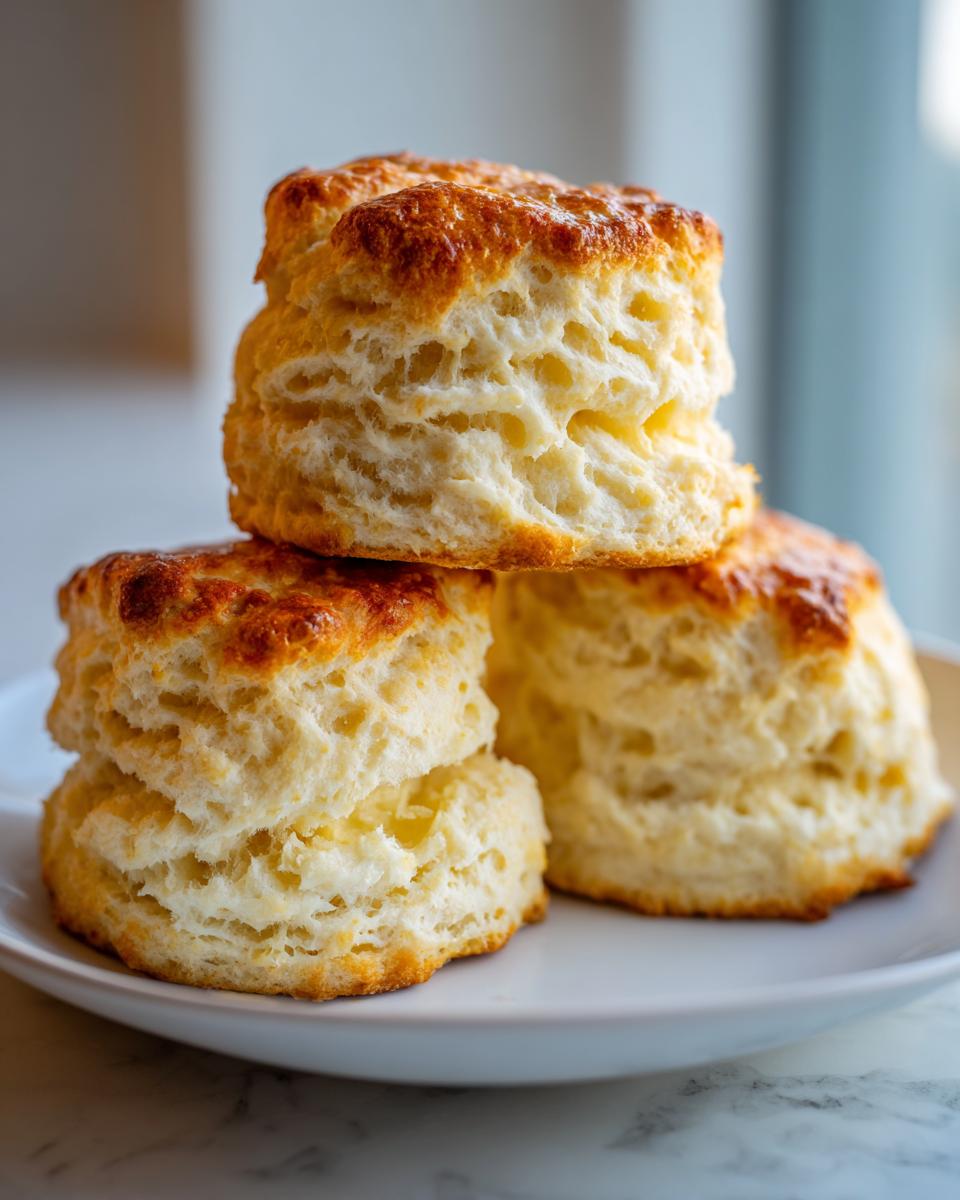
Height is physics, my friends! We are aiming for layers, which means we need steam, and steam comes from keeping our butter icy cold. That cold butter melts in the hot oven, creating tiny pockets of air that push the layers apart—that’s where the spectacular height in these tall flaky scones comes from. We cut the butter into the flour just enough, and then we fold the dough just a couple of times. This minimal handling keeps the gluten relaxed, leading to a tender lift rather than a chewy failure. You can read more about getting that perfect structure here: how to make perfect scones.
The Secret to Buttery Homemade Scones with a Moist Center
The second big secret is the buttermilk. It’s acidic, which reacts beautifully with the baking powder, giving us extra lift. More importantly, buttermilk is what keeps these from ever feeling dry. It coats the flour differently than regular milk, ensuring you get that buttery flavor throughout a truly moist scones guide results in a tender bite, not a dry chew. These are designed to be rich and melt-in-your-mouth!
Gathering Ingredients for Perfect Scones
Okay, now that we know the science behind the fluff, it’s time to get our paws on the ingredients! What I love about these scones is that they don’t require any fussy, unusual items. Everything you need is probably in your pantry or fridge already. But if you take nothing else away from this section, please remember this: temperature is everything! We need everything cold, cold, cold. Seriously, I sometimes chill my mixing bowl in the freezer for ten minutes before I start. The cold butter and cold buttermilk are non-negotiable for getting those beautiful, tall layers we talked about.
Ingredient Notes and Substitutions for Your Scones
Let’s talk specifics, because a small swap here can dramatically change your outcome. First, the butter. It absolutely must be unsalted. We control the salt level separately, and salted butter can throw off the balance when we are aiming for that perfect pastry taste. Make sure it’s cut into very small cubes—like the size of almonds—and that it’s firm cold, not soft. If your butter starts looking oily at all, pop it back in the fridge!
Now for the liquid. I list buttermilk because it’s chemically superior for this recipe, but if you’re in a pinch, you can absolutely make a substitute. If you don’t have buttermilk, just take 3/4 cup of regular whole milk and stir in one teaspoon of white vinegar or lemon juice. Let it sit for about five minutes until it looks slightly curdled—that’s your makeshift buttermilk! If you want really decadent, rich scones that are perhaps even more tender, you can swap the buttermilk for heavy cream. It won’t give you quite the same lift, but the flavor is unbeatable. You can find some great mix-in ideas over at The First Year Blog if you want to deviate from the plain base!
Finally, the optional additions, like blueberries or cranberries—if you decide to use them, toss them with just a tablespoon of the dry flour mix *before* adding them to the large bowl. This simple trick stops them from sinking straight to the bottom of your scone while it bakes. No one wants a fruit-free top layer!
How to Make Scones From Scratch: Step-by-Step Instructions
Making these scones from scratch is surprisingly fast, which is why they qualify as an easy scone recipe for busy mornings! The entire active time is under 35 minutes, but precision in these early steps is what separates a mediocre scone from a spectacular one. Remember, we are treating this dough gently—we want to work fast and keep things cold to coax out maximum fluffiness. Pay close attention to the texture checks I mention, because those are my tried-and-true indicators of success. We want fluffy, tender crumb, not tough bread! If you’re looking for classic tea service inspiration, be sure to check out the tips on English Scones.
Prep Work and Cutting in the Butter for Flaky Scones
First, make sure your oven is preheated to 400°F. Then, grab your large bowl with the dry ingredients already whisked together—flour, sugar, baking powder, and salt. Now, the butter. Add those tiny, cold cubes of butter to the flour mixture. You need to cut this butter in, which means working it into the flour until it resembles coarse crumbs. If you use your fingers, work quickly so the butter doesn’t melt from the heat of your hands. We aren’t looking for paste; we want flecks! Specifically, I look for a mix of fine sandiness and some larger, visible pea-sized chunks of butter. Those stubborn little chunks are what create the steam you need for flaky layers. They are the secret to the best scones!
Mixing, Shaping, and Cutting for Maximum Height in Your Scones
Once the butter is cut in, pour in all the cold buttermilk at once. Use just a fork to mix it until it barely holds together—it will look shaggy, and that’s exactly what we want. Remember, we aren’t kneading bread here! Turn that rough mass out onto a lightly floured surface. To create those beautiful vertical layers, we gently pat it into a rough shape, then fold it in half, and then fold it in half again. That folding step is crucial—it’s our shortcut to lamination for those towering results! Give it one final gentle pat down to about 3/4-inch thick. Now for the cutting: use a biscuit cutter and press straight down—do *not* twist! Twisting seals the edges, and we need those edges straight up and down to achieve those gorgeous, bakery style scones. Place them close together on the sheet if you like them softer-sided, or space them out if you want crispier edges. I always think about simple, classic baking when I do this part, focusing on perfection. If you want to see how to handle a plain base without any add-ins, check out the amazing guide over at Pinch Me, I’m Eating. Brush them lightly with the egg wash, and they are ready to bake!

Tips for Success with Classic Tea Scones
I’ve had my share of scone failures when I was first testing recipes professionally—trust me, it happens! I remember one batch where I got distracted talking on the phone and ended up overmixing the dough way too much. When they came out of the oven, they were maybe an inch tall and rocked hard enough to hold a door open! That was the day I cemented my rule: patience and respect for the dough’s texture are the most important things in these scone technique tips. If you follow the core rules here, you’ll avoid my past mistakes and ensure your classic tea scones are winners.
First off, let’s revisit the cold factor. Seriously, if your environment is warm, or your kitchen is hot, put the butter and the bowl with the dry ingredients in the freezer for 15 minutes right before you start mixing. Cold ingredients mean longevity for those delicate layers we built by folding. Anything warm—a warm egg, a warm buttermilk substitute—will melt the fat before it hits the oven, which leads straight to flat results. We cannot have that!
Another crucial thing that keeps coming up in my feedback is the cutter. I know it seems small, but remember what I emphasized in the instructions: press straight down. Don’t twist or wiggle the cutter when you cut out your shapes. When you twist, you’re essentially crimping the edges and sealing them shut. This stops the rising action right at the side, preventing that beautiful, visible separation between layers. For those buttery homemade scones, the edges need to be clean so they can soar upwards in the heat!
Speaking of moisture, don’t be afraid of the shaggy dough when you add the liquid. If you mix until it looks smooth, you’ve already added too much energy to the dough. I like to use a rubber spatula to gently fold everything together at the end. If you want to see how others tackle their own beautiful pastry bases, check out the classic approach on Classic Pastry Scones. Keep those tips in mind, and you’ll be enjoying marvelous, tender scones.
Serving Suggestions for Your Buttery Homemade Scones
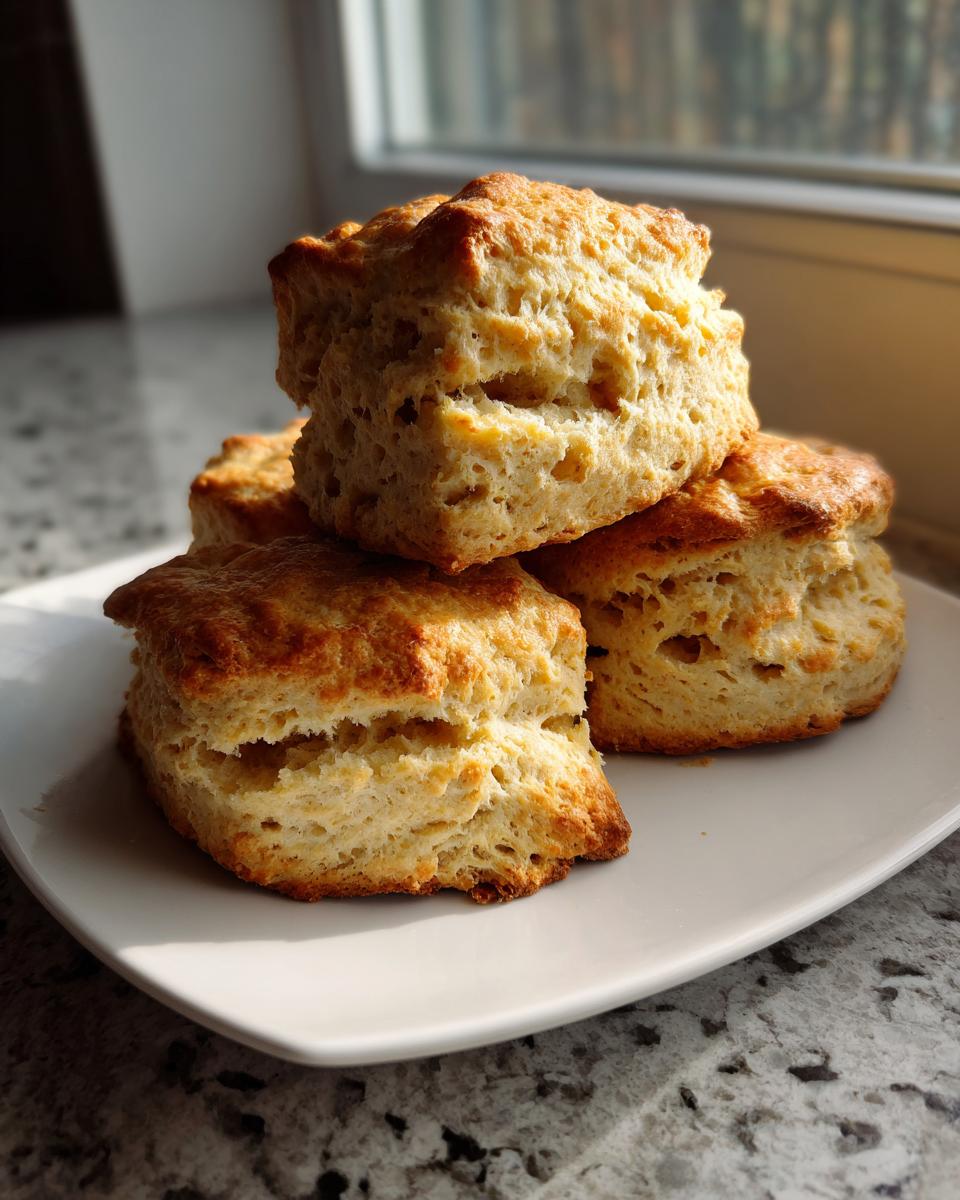
The best part about mastering a truly foundational recipe, like these scones, is that they become the perfect blank canvas for whatever you’re craving! While they are absolutely divine straight out of the oven just slightly warm, they shine even brighter when you pair them with the right accompaniments. If you are having a traditional afternoon tea moment, you simply cannot go wrong with the classics: clotted cream and, of course, strawberry jam. That combination never fails to feel elegant!
But don’t limit yourself to just the tea party setup! These are fantastic for brunch, too. If you want a slightly savory twist, skip the sugar in the base recipe and toss in some shredded sharp cheddar cheese and finely chopped chives right where you’d add the fruit. Serve those savory bites alongside scrambled eggs or your favorite smoked salmon spread. They are surprisingly versatile!
For those who like a little spice, you can always lean into that warmth. If you’re interested in exploring a slightly sweeter, spiced route for a colder morning, check out this recipe for Warm Cinnamon Scones. But honestly, for these buttermilk babies, I often just brush them with a little melted butter right after they come out of the oven—it enhances that buttery homemade scones flavor perfectly. You can find some super traditional inspiration for tea pairings on this English Scones guide. How you serve them just elevates that perfect, tender crumb!
Storage and Make Ahead Scones Guide
One of the best things about mastering this easy scone recipe is that you don’t have to eat them all right away (though I certainly try!). Knowing you can have a delightful breakfast pastry ready for the week is a huge win for meal planning. This section covers how to properly store your baked goodies and how to leverage this recipe as a fantastic make ahead scones option.
First things first: cooling. You must let your scones cool completely on a wire rack before storing them. If you trap any residual heat in a container, you’ll end up steaming the tops, which ruins that beautiful crisp exterior we worked so hard to create. Wait until they are completely at room temperature!
Storing Fresh Scones at Room Temperature
For short-term storage—say, the next 1 to 2 days—store your plain scones in an airtight container at room temperature. I usually line the container with a paper towel first. This helps absorb any slight moisture that tries to sneak out, keeping the outsides from getting soggy. They tend to taste best on the day they are baked, but kept airtight, they should still be perfectly tender the next morning. If you want to revive them the next day, just pop them in a 300°F oven for about five minutes. That short blast of heat crisps up the exterior beautifully!
Freezing Scones for Months of Enjoyment
If you know you won’t get to them in a couple of days, freezing is your best friend for this recipe. You can freeze these buttery homemade scones either baked or unbaked, and both methods work wonderfully! For baked scones, ensure they are fully cooled, then wrap each one tightly in plastic wrap first to prevent freezer burn. After they are individually wrapped, place them all into a heavy-duty freezer bag. They will keep perfectly for up to three months this way. When you want one, unwrap it and microwave it for about 15-20 seconds, or bake it at 350°F for about 8 minutes until warmed through.
For the ultimate ‘wake up and eat’ morning, you can freeze the cut, unwashed dough rounds! Follow all the instructions up through Step 8 (cutting the dough and placing them on the sheet, but skip the egg wash). Place the whole sheet pan into the freezer until the rounds are solid, then transfer them to an airtight freezer bag. When you want fresh scones tomorrow morning, just transfer the frozen rounds to a lined baking sheet, brush with the egg wash, and add about 5 to 7 minutes to the baking time. It’s cheating, but it’s delicious cheating!
Common Questions About Making Tender Crumb Scones
I know that even with the best instructions, you might still have a little question popping into your head about achieving that perfect texture. That’s totally normal! When I was first perfecting this recipe for my developers, I had dozens of trial runs. So, I gathered up the most common questions I get about ensuring these scones have that tender, moist center without falling flat.
Why did my scones turn out flat instead of tall and flaky?
This is the absolute number one question I get, and 99% of the time, it comes down to one or two things: your butter wasn’t cold enough, or you handled the dough too much. If the butter melts before it hits the oven, you lose all that steam power needed to push the layers up. Another culprit is twisting the biscuit cutter; you must press straight down! You can see visual tips on avoiding this common issue over at I Heart Naptime. A flat scone means the fat gave up the ghost too early!
Can I use regular milk instead of buttermilk in this recipe?
Yes, you absolutely can, though I highly recommend buttermilk because the acid reacts with the baking powder for a better rise. If you only have regular milk on hand—maybe 2% or whole milk—you can easily make a substitute right in your measuring cup! Just add one teaspoon of white vinegar or lemon juice to 3/4 cup of milk and let it sit for five minutes until it looks slightly curdled. That acidic liquid works perfectly fine for creating tender crumb scones, although the ultimate lift might be slightly less dramatic than true buttermilk.
Do I have to use the egg wash? Can I make scones without glaze?
Oh, you certainly do not have to use a glaze! In fact, these buttery homemade scones are exquisite with just a light dusting of powdered sugar, or even nothing at all, especially if you’re enjoying them with savory toppings. If you skip the glaze or the egg wash, you’ll get a slightly softer, less shiny top. If you want that golden-brown finish without using a full egg wash, just brush them very lightly with a tiny bit of heavy cream or even just plain milk before they go into the oven. The important part is the baking technique, not the topping!
My recipe calls for mix-ins, like blueberries. How do I prevent them from sinking?
This is one of those great little secrets for ensuring your fluffy scones recipe maintains its integrity throughout the bake! If you are adding any fruit, whether fresh or dried, gently toss that fruit with about one tablespoon of your measured flour *before* you add the fruit mixture to the main batter bowl. The light coating of extra flour helps the fruit grip onto the dough better instead of just falling to the bottom layer. It’s a fantastic trick I learned early on!
Can I make these scones gluten-free?
That’s a great question, as I know many of you look for allergy accommodations! While I haven’t specifically tested every single gluten-free flour blend out there, I do know that for pastry to be flaky, it needs certain proteins. If you choose to experiment, make sure you use a high-quality cup-for-cup blend that already contains Xanthan Gum, and remember that you might need to chill the dough slightly longer due to the texture differences. You can find a good guide on modifying these types of recipes over at this link if you go that route!
Estimated Nutritional Data for These Scones
When we talk about creating something delicious and foolproof, I always make sure to include the nutritional breakdown so you know exactly what you’re working with. As a recipe developer, I pay close attention to the balance of ingredients, and these scones deliver great flavor without loading up too heavily on sugar, especially if you skip the glaze!
Below you’ll find the estimated nutritional information for one of these wonderful **scones** based on the base recipe (without any optional fruit or glaze included). Please remember, this is something I calculated based on standard ingredient weights, so your actual results might vary slightly depending on the brand of flour or the exact amount of buttermilk you use. That’s just the reality of home baking!
- Serving Size: 1 scone
- Calories: 280
- Fat: 15g
- Saturated Fat: 9g
- Carbohydrates: 32g
- Sugar: 6g
- Protein: 5g
- Cholesterol: 45mg
- Sodium: 250mg
See? A reasonable 6 grams of sugar, which lets the butter and buttermilk really shine through! If you add berries, that sugar count will climb a little, but you are gaining lovely fiber too. Enjoy this truly classic breakfast treat knowing what’s in your plate!
Share Your Fluffy Scones Creations
Okay, now that you’ve mastered the technique and have a stack of gorgeous, tall flaky scones cooling on your rack, it’s time for the official part: showing them off! This is what Frosted Fancies is all about—building a community of home bakers who support each other and share in the joy of a kitchen well-used. I absolutely live to hear when a recipe works perfectly for you!
When you try this recipe, please come back here and leave a star rating and a comment! Tell me everything! Did you stick to the basic plain scones, or did you try slicing them like laminate and popping in some fresh blueberries? Knowing how the recipe performed in your oven is huge for me. Seriously, hearing that you achieved the perfect moist center makes my whole week.
If you added a wonderful flavor variation—maybe you went for bright lemon or tried a savory cheese version—definitely mention that below so it can give the next reader some inspiration! I’m always tweaking things myself, so I love seeing your clever ideas. If you experimented with something truly unique, like maybe some of those citrusy cranberry ideas I saw people loving, I highly encourage you to share the love over at this cranberry orange recipe for reference!
And please, please, take a picture! Snap a quick photo of your perfectly golden, soaring scones ready for brunch or tea time. Tag us on social media! Seeing your success stories is the biggest reward a recipe developer like me can get. When you share your results, tag us so I can celebrate your beautiful bake! And if you’re looking for more inspiration on fruity flavor pairings, you MUST check out the amazing ideas over at the Blueberry Scones Recipe pinboard. Happy baking, and I can’t wait to read your reviews!
PrintThe Ultimate Buttermilk Scones Recipe for Tall, Flaky Perfection

Learn how to make bakery-style buttermilk scones from scratch. This easy recipe focuses on technique to give you tall, fluffy, and buttery scones with a moist center every time. Perfect for afternoon tea or brunch.
- Prep Time: 15 min
- Cook Time: 18 min
- Total Time: 33 min
- Yield: 8 servings 1x
- Category: Breakfast
- Method: Baking
- Cuisine: American
- Diet: Vegetarian
Ingredients
- 2 cups all-purpose flour
- 1/4 cup granulated sugar
- 1 tablespoon baking powder
- 1/2 teaspoon salt
- 1/2 cup (1 stick) cold unsalted butter, cut into small cubes
- 3/4 cup cold buttermilk
- 1 large egg, beaten (for egg wash)
- 1 tablespoon milk or cream (for egg wash)
- Optional: 1/2 cup blueberries or dried cranberries
Instructions
- Preheat your oven to 400°F (200°C). Line a baking sheet with parchment paper.
- In a large bowl, whisk together the flour, sugar, baking powder, and salt.
- Add the cold, cubed butter to the dry ingredients. Use a pastry blender or your fingertips to cut the butter into the flour until the mixture resembles coarse crumbs with some pea-sized pieces of butter remaining. This step is key for flaky scones.
- If using fruit, gently toss the berries or cranberries with one tablespoon of the flour mixture before adding them to the dough to prevent sinking.
- Pour in the cold buttermilk all at once. Use a fork to mix until the dough just comes together. Do not overmix; the dough will look shaggy.
- Turn the dough out onto a lightly floured surface. Gently pat the dough into a 3/4-inch thick circle or rectangle. Avoid kneading.
- For tall scones, fold the dough in half, then fold it in half again (this creates layers, similar to lamination). Pat the dough back to a 3/4-inch thickness.
- Use a 2-inch round biscuit cutter to cut out the scones. Press the cutter straight down without twisting to keep the sides straight and tall. Place the cut scones onto the prepared baking sheet, setting them close together for softer sides, or farther apart for crispier edges.
- In a small bowl, whisk the egg and milk/cream together for the egg wash. Brush the tops of the scones lightly with the wash.
- Bake for 14 to 18 minutes, or until the tops are golden brown and the centers are cooked through.
- Transfer the scones to a wire rack to cool slightly before serving warm.
Notes
- Keep all wet and dry ingredients cold. Cold butter creates steam pockets, resulting in flaky layers.
- Do not twist the biscuit cutter when cutting the dough; press straight down to maintain the height.
- For extra moisture, brush the tops with a little extra buttermilk just before baking instead of the egg wash.
- If you prefer a sweeter scone, you can drizzle a simple glaze (1/2 cup powdered sugar mixed with 1 tablespoon milk) over the cooled scones.
Nutrition
- Serving Size: 1 scone
- Calories: 280
- Sugar: 6
- Sodium: 250
- Fat: 15
- Saturated Fat: 9
- Unsaturated Fat: 6
- Trans Fat: 0
- Carbohydrates: 32
- Fiber: 1
- Protein: 5
- Cholesterol: 45