

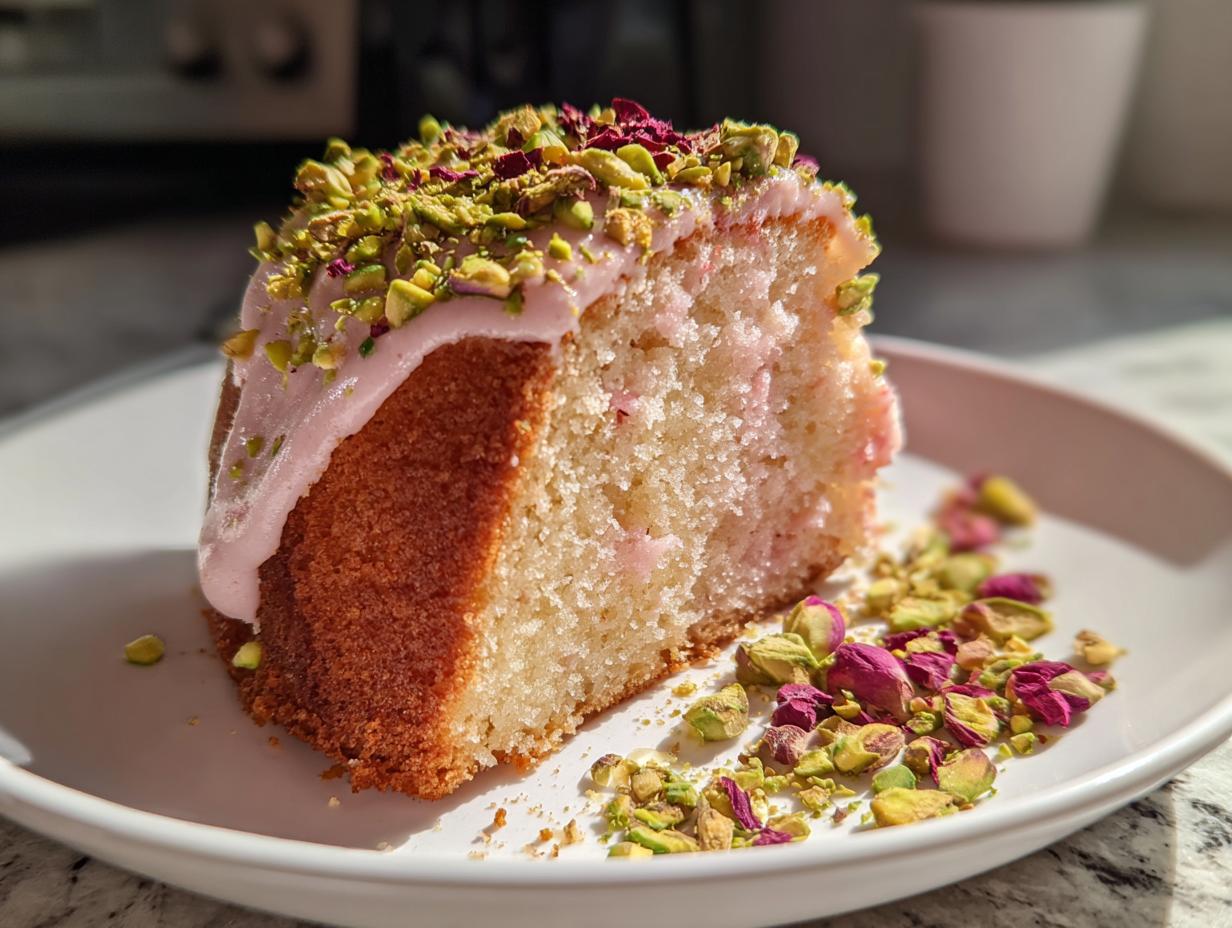
Welcome! I’m Katie, and I am so thrilled you’ve stopped by Frosted Fancies today. If you’re looking for a dessert that is guaranteed to stop conversation the moment it hits the table, you are in the perfect spot. We’re diving headfirst into a recipe that balances incredible fragrance with the moistest crumb imaginable: my foolproof rose cake recipe, the Rose Milk Cake. Because of my years developing recipes professionally, I promise you this method is refined, reliable, and ready for your kitchen, creating a truly showstopping layer cake experience!
- Why This Rose Cake Recipe is a Showstopping Layer Cake Favorite
- Gathering Ingredients for Your Rose Milk Cake
- Step-by-Step Instructions for the Perfect Rose Cake
- Expert Tips for a Truly Elegant Cake Designs Rose Cake
- Flavor Variations: Strawberry Rose Cake and Pistachio Rose Cardamom Recipe
- Storage and Reheating Instructions for Your Milk Soaked Cake
- Frequently Asked Questions About Making a Rose Cake
- Nutritional Estimates for This Rose Cake
- Share Your Homemade Beautiful Cake Creations
Why This Rose Cake Recipe is a Showstopping Layer Cake Favorite
When I developed this rose cake, I wanted something that felt truly gourmet but was actually simple to execute at home. You don’t need a pastry school degree to make something magnificent, I promise! This Rose Milk Cake truly delivers on elegance without any kitchen stress.
Here’s why this recipe has become one of my absolute favorites for special occasions:
- It has an unbelievably tender, delicate flavor. That little hint of rose and optional cardamom makes it feel so sophisticated.
- The texture is unmatched! It’s famous for being wonderfully moist because the cake soaks up that sweet milk mixture completely.
- It’s a total crowd-pleaser, perfect for romantic dessert ideas, anniversaries, or fancy weekend baking projects.
Because it relies on technique to lock in moisture, understanding the science behind cake structure really helps, so make sure you check out my guide on essential baking temperature tips before you start!
Gathering Ingredients for Your Rose Milk Cake
Okay, ingredients time! This Rose Milk Cake isn’t complicated, but we do need a few specific things to nail that amazing fragrance and texture. When I developed this recipe, I focused on making sure every single item pulls its weight. Don’t skimp on the rose water, though—that’s where the magic happens in this rose cake! We’ll break down the list so you can easily shop for everything you need before we start mixing.
For the Cake Batter
This is the base that’s going to soak up all that yummy milk later. For the best results, make sure your butter is perfectly softened, not melted. Remember, we’re aiming for a high-quality, fragrant base here, so please use the best rose water you can find for that true floral essence!
- 1 1/2 cups all-purpose flour
- 1 1/2 teaspoons baking powder
- 1/2 teaspoon salt
- 1/2 cup unsalted butter, softened
- 1 cup granulated sugar
- 3 large eggs
- 1 teaspoon vanilla extract
- 1/2 cup whole milk
For the Rose Soaking Milk
This mixture is the soul of the soaking process! It needs to be heated just enough to dissolve the sugar, but never brought to a rolling boil. That tablespoon of rose water is key to getting that delicate flavor—too little and it disappears, too much and it tastes overpowering, so measure carefully!
- 1/2 cup heavy cream
- 1/2 cup granulated sugar
- 1/4 cup whole milk
- 1 tablespoon rose water
- 1/2 teaspoon ground cardamom (This is my secret touch for a gourmet cake flavor!)
Garnish Essentials
We’re finishing this beauty off simply, letting the flavor and moist texture speak for themselves. These garnishes also look wonderful if you’re trying to achieve those beautiful, elegant cake designs.
- Chopped pistachios
- Dried rose petals
Step-by-Step Instructions for the Perfect Rose Cake
Now we get to the fun part—actually baking! Follow these steps exactly, and you’ll see why professional recipes come out perfectly every time. We don’t just mix things randomly here; we follow a process that ensures your cake bakes evenly and absorbs that fragrant milk like a sponge. Remember, timing is everything when dealing with a milk-soaked cake!
Preparing the Cake Base
First things first: get your oven up to temperature. Preheat it to 350°F (175°C) right away. While it heats up, grab that 9-inch round cake pan. You need to grease and flour it really well—don’t skip this step! In a separate bowl, whisk together your flour, baking powder, and salt until they look happy and uniform.
In your main mixing bowl, it’s time to cream the butter and the main cup of sugar. You want this mixture to get really pale yellow and fluffy—that aeration is what gives the cake its nice lift. This is where you are starting to build structure, so beat it until it looks light!
Mixing and Baking the Rose Cake Batter
Once the butter and sugar are airy, beat in your eggs one at a time. Wait until the first egg is fully incorporated before you add the second, and then the third. Next, stir in your vanilla extract.
Here is the crucial part where we build balance. You’re going to add the dry ingredients and the remaining 1/2 cup of whole milk alternately. I start and end with the dry ingredients. So, a bit of the flour mix, then some milk, more flour, more milk, and finish with the last of the flour. And listen to me closely: mix only until *just barely* combined! If you overmix this batter, you will develop too much gluten, and your beautiful rose cake will turn tough. Trust me, you want the structure built on science, not brute force. Understanding gluten development is a game-changer.
Pour that slightly lumpy batter into your prepared pan and bake it for about 30 to 35 minutes. Test it with a clean toothpick; if it comes out clean, you’re done! Let the cake cool in the pan for just 10 minutes before we move on.
Creating and Applying the Soaking Milk
While the cake is cooling for those crucial 10 minutes, gently heat your heavy cream, the remaining 1/2 cup of sugar, and the 1/4 cup of milk in a small saucepan. You just want to heat it enough so that the sugar fully dissolves. Once it’s warm, pull it right off the heat!
Stir your tablespoon of rose water and that optional cardamom into the warm milk mixture now. This keeps the delicate floral notes from cooking off. Take a fork or a skewer and poke holes all over the top surface of your still-warm cake. Now, pour that rose milk slowly and evenly over the entire cake. It might look like too much liquid, but be patient—it absorbs everything! Let it sit for a good 30 minutes until all that gorgeous moisture is sucked right in.
Expert Tips for a Truly Elegant Cake Designs Rose Cake
We’ve baked it, we’ve soaked it—now we need to make sure this rose cake is treated right before serving! Since this is a showstopper dessert, we want the presentation and texture to be absolutely flawless. Don’t worry if you don’t usually move into the decorating phase; my professional experience taught me a few tricks that make achieving those elegant cake designs really simple for the home baker.
Achieving Maximum Flavor Absorption
This is, perhaps, the most important non-baking tip! While you can serve this cake after it sits at room temperature for 30 minutes, you won’t get that melt-in-your-mouth texture until you chill it. I seriously recommend covering the finished cake loosely and popping it into the refrigerator for at least two hours, but honestly? Overnight is even better.
When you chill a milk-soaked cake, the cold temperature helps the cake structure settle and allows the rose-infused milk to fully integrate into every last fiber. It goes from being ‘moist’ to being unbelievably luscious and tender. It’s worth the wait, trust me!
Decoration Ideas for Your Floral Layer Cake
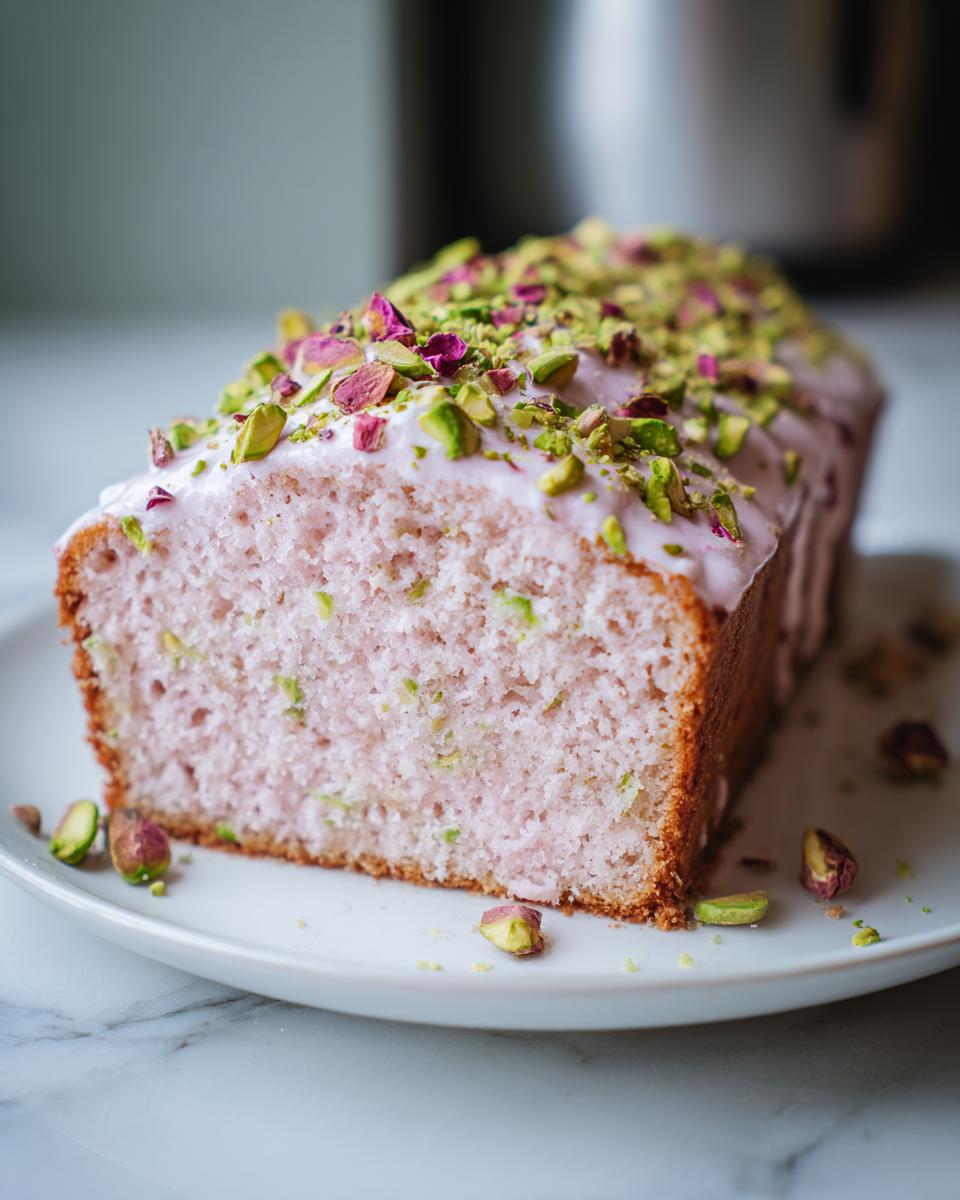
Right now, your cake looks beautifully rustic with those sprinkled pistachios and rose petals, which is perfect for a simple, fragrant dessert. But if you want to lean into the whole romantic theme, this is where you can get creative!
If you have some leftover American buttercream—and I highly suggest you try making a batch after watching this quick tutorial on how to pipe the perfect buttercream rose—you can easily turn this layer cake into a true centerpiece. Piping just a few rosettes on top of the soaking spots creates an amazing visual contrast. It turns your simple dessert into a celebration-worthy Floral Layer Cake instantly!
Flavor Variations: Strawberry Rose Cake and Pistachio Rose Cardamom Recipe
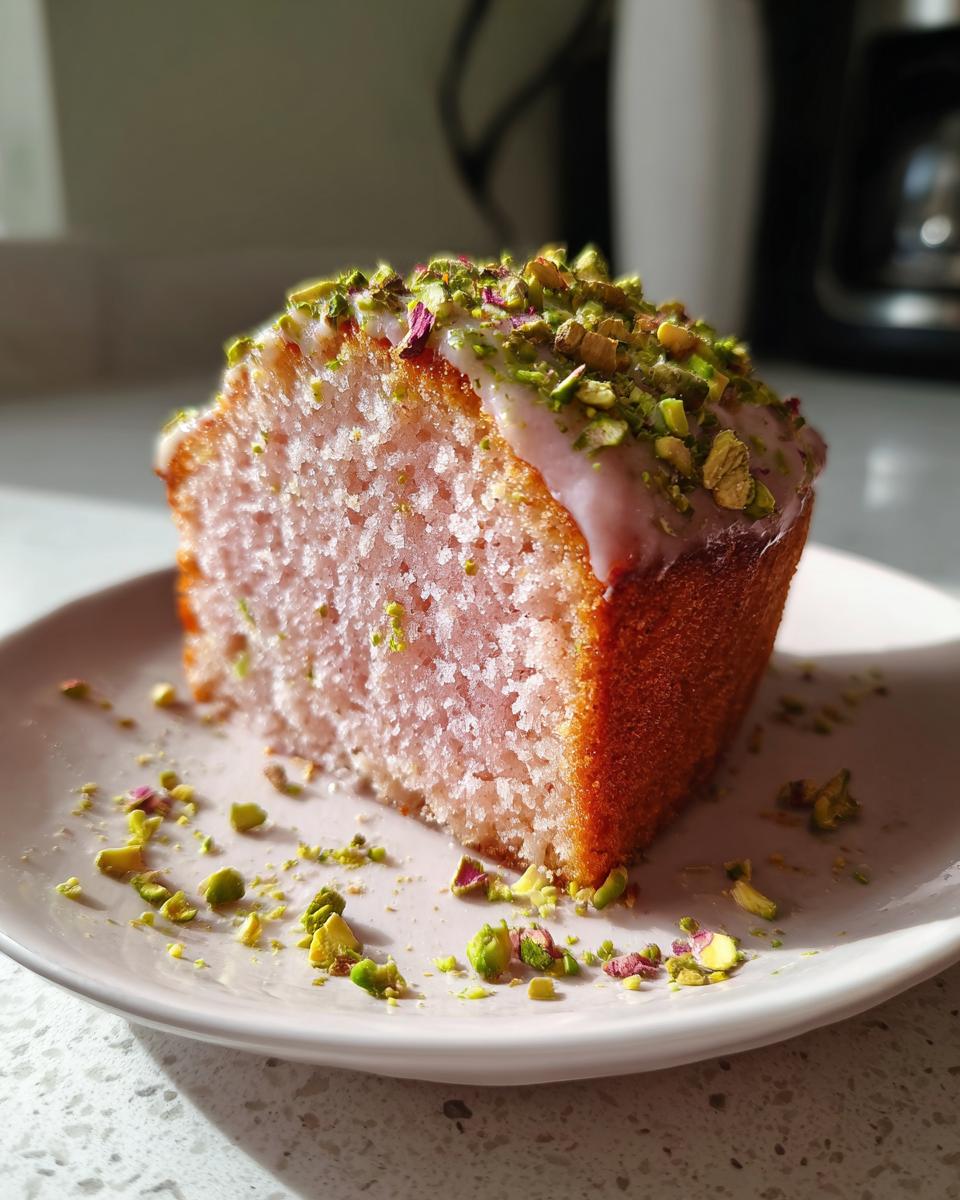
One of the best things about having a reliable base recipe like this is how easily you can twist it for different occasions! While my main recipe focuses on pure rose flavor, adapting it for other pairings is super simple. If you’re aiming for a bright, summery vibe, you can definitely make a gorgeous Strawberry Rose Cake.
For the strawberry version, I suggest pureeing about a cup of fresh or slightly macerated strawberries and stirring that reduction right into the batter along with your milk, cutting back sugar in the soak slightly to balance it out. Or, if you want to lean into those rich, nutty notes, try tackling the full Pistachio Rose Cardamom Recipe! I found an amazing, complex version you should check out, which adds lovely earthiness to the floral profile: You can see the details over here.
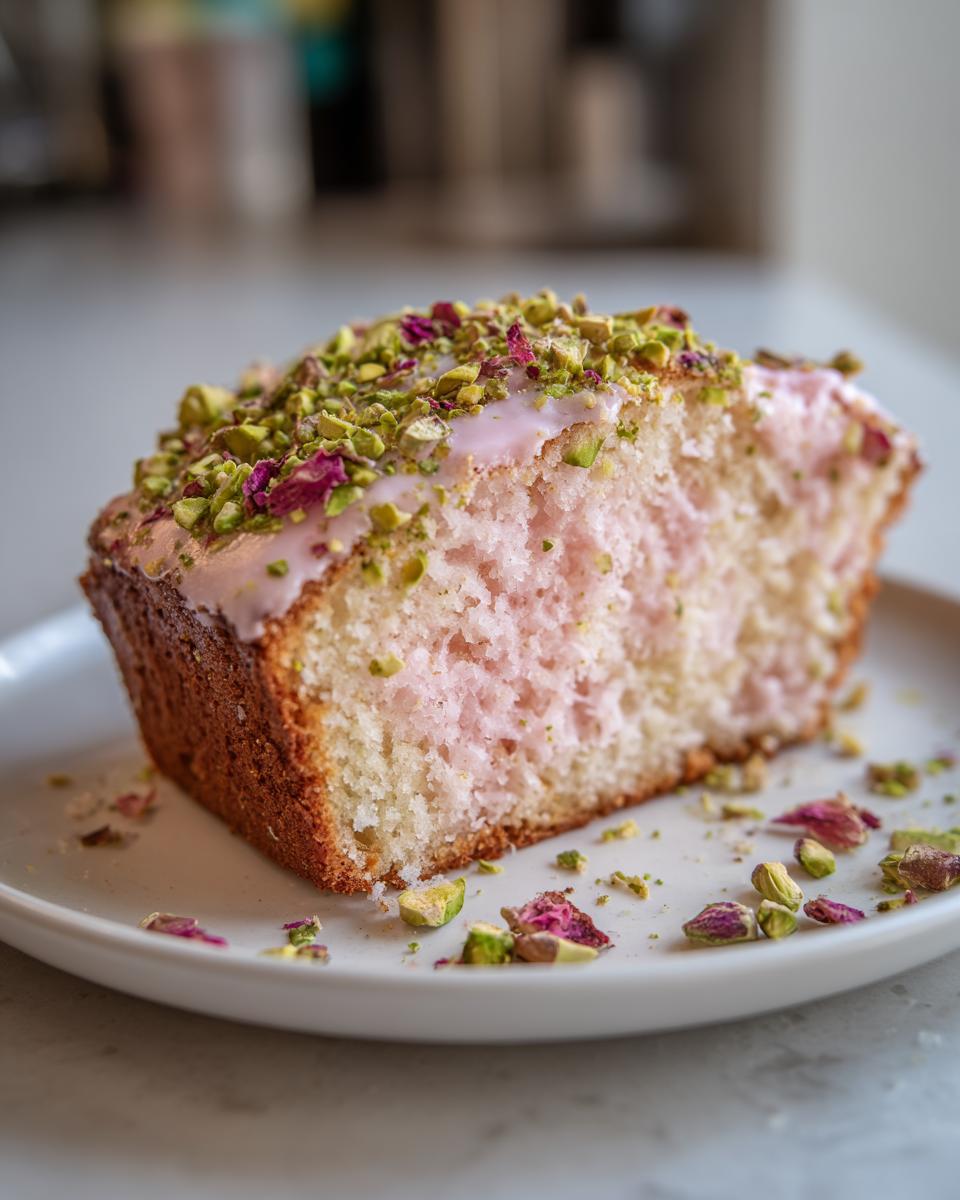
When experimenting with these beautiful flavor combinations, always refer back to my notes on adjusting moisture when adding fruit. Happy experimenting with these gourmet cake flavors!
Storage and Reheating Instructions for Your Milk Soaked Cake
Since this rose cake is saturated with a lovely, creamy milk mixture, we absolutely have to treat it like a dairy dessert when we put it away. Forget leaving leftovers on the counter overnight—that creamy liquid needs chilling! This isn’t like a standard pound cake; it’s much richer and needs refrigeration to keep everything fresh and safe.
To store your Milk Soaked Cake, cover it loosely with plastic wrap or transfer any remaining slices to an airtight container. Pop it right into the refrigerator. It actually gets better after a day in the cold, as that rose flavor really settles in. I find the texture is just divine when served cool.
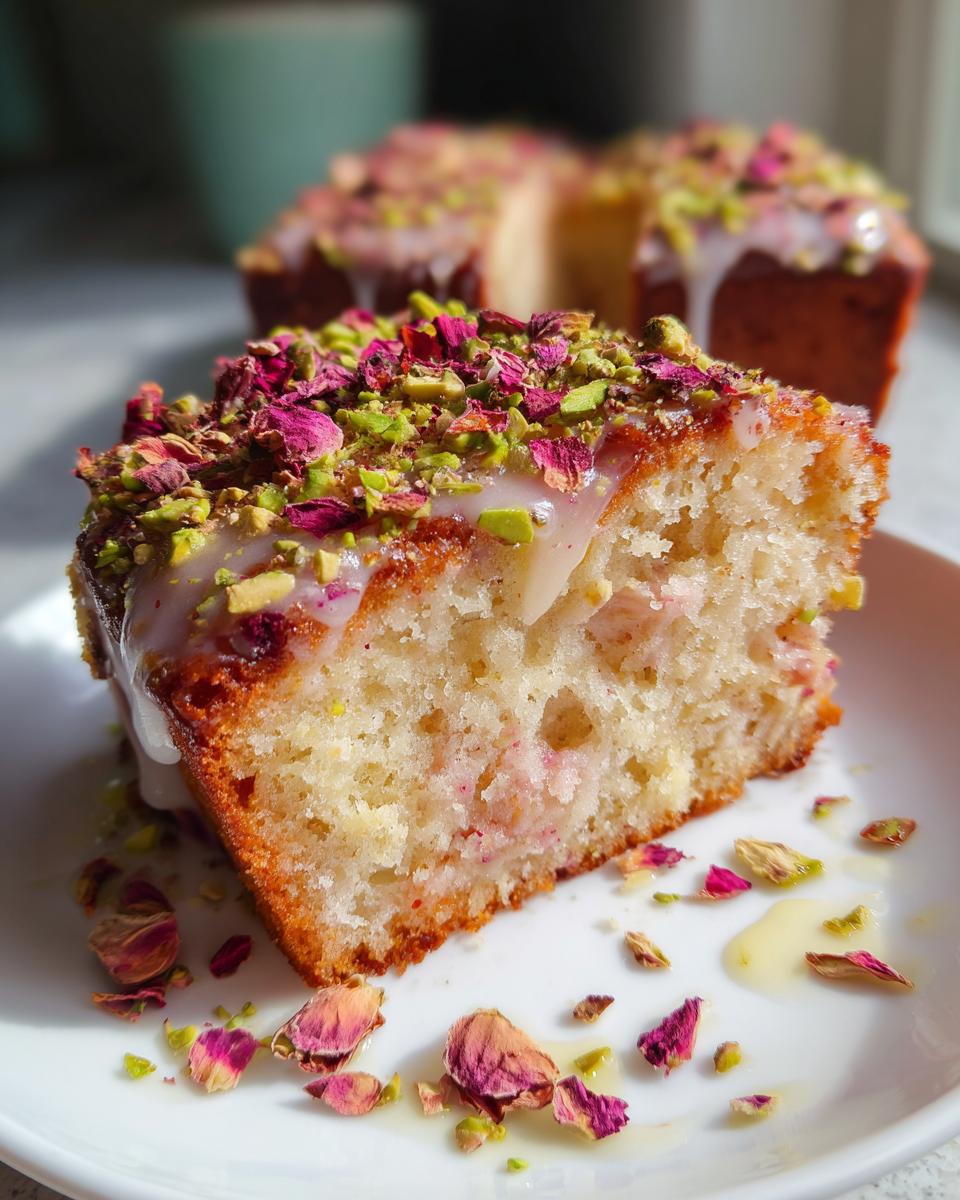
Now, here is my little secret about serving temperature. While it’s perfectly safe to eat straight from the fridge, sometimes those flavors get a little muted when it’s super cold. If you want the full impact of that delicate rose essence, take the slices out of the refrigerator about 20 to 30 minutes before you plan to serve them. That little bit of warming time brings the aromatics right back to life without compromising the cake’s structure or safety. It’s the best of both worlds!
Frequently Asked Questions About Making a Rose Cake
I know sometimes baking with floral essences can feel a little intimidating, but don’t worry! These questions pop up all the time, and I’m happy to give you the quick, real-world answers that make the difference between a good cake and a truly fantastic one. Trust me, after making this rose cake dozens of times as a developer, I’ve run into every possible scenario!
Can I substitute the rose water with rose syrup in this rose cake?
That’s a great question, especially if you’re aiming for something incredibly sweet! Yes, you technically can substitute it, but you have to be careful. Rose syrup is denser and contains much more sugar than pure rose water. If you swap them 1:1, you’ll mess up the liquid ratio in our soaking milk, and the cake might become too loose or overly sweet.
My advice? If you use syrup, cut the sugar in the soaking milk mixture by about a quarter cup to start. Then, taste the milk mixture before you pour it over the cake. You want it fragrant, not sugary!
What is the best way to achieve a delicate flavor profile?
The secret to a delicate flavor, rather than a perfumey or soapy one, is honestly restraint. You need high-quality rose water because the flavor extracts are usually much stronger and purer than cheap syrups. I would never use more than the tablespoon listed in the recipe unless you are making it specifically for someone who REALLY loves rose. Start small!
To keep that flavor truly delicate, lean into the cardamom we mentioned as optional. It works beautifully alongside the rose, grounding the floral note and making the entire experience one of those lovely Delicate Flavor Cakes. It adds warmth without taking over the main event.
Can I make this recipe ahead of time?
Absolutely! In fact, I encourage it, especially if you are planning this for Special Occasion Cakes or entertaining. This is one of the huge benefits of a ‘milk soaked cake’ over a regular sponge.
The cake needs time for the rose milk to fully penetrate and marry with the crumb. If you bake the cake the day before, let it cool, soak it in the milk mixture, and then cover it tightly and chill it overnight—it will taste even better the next day! Just pull the slices out about 20 minutes before serving so they aren’t fridge-cold.
Nutritional Estimates for This Rose Cake
Friends, I always want to make sure you have all the data when you’re cooking from my kitchen, especially when you’re planning menus for parties or special gatherings. Since I’m a food scientist by training, I always run these numbers, but I have to give you a quick heads-up!
These figures below are estimates I calculated based on standard ingredient databases for one slice of this beautiful, fragrant cake. They are for general guidance only, and they certainly aren’t professional dietary advice. If you have specific health concerns, please consult with your own trusted advisor. Remember, real ingredients and measuring tools can always cause slight shifts!
Here is the breakdown for one serving of this incredible Rose Milk Cake:
- Serving Size: 1 slice
- Calories: 350
- Sugar: 35g
- Sodium: 150mg
- Fat: 16g
- Saturated Fat: 9g
- Carbohydrates: 48g
- Protein: 6g
- Cholesterol: 85mg
It’s definitely a rich treat, as it’s butter-based and milk-soaked, but that’s what makes it so decadent and worth every single bite!
Share Your Homemade Beautiful Cake Creations
Wow, you did it! You baked the Rose Milk Cake! I am already so excited for you. Honestly, seeing what you all create in your own homes is the absolute best part of running Frosted Fancies. When I’m developing these recipes, I’m picturing the final result on your tables, and I truly hope this turns out to be one of your treasured Beautifully Decorated Cakes.
Now that you’ve mastered the soaking technique and hopefully enjoyed that delicate floral scent filling your kitchen, I really want to see your results! Did you go for the simple pistachio and rose petal look, or did you try piping some extra buttercream roses on top?
I truly rely on your feedback to know I’m giving you the best, most accessible recipes possible. So, here’s my little ask for you:
- Please take a minute to leave a star rating right here on the recipe card once you’ve tasted it. It helps other home cooks know this recipe is reliable!
- If you snapped a picture of your finished rose cake—maybe it’s sitting proudly next to your coffee cup or as the centerpiece of your party—please share it! Tag me on social media and use the hashtag so I can find it. You can find all my sharing links over here at my connecting page.
Creating these kinds of Romantic Dessert Ideas really connects us, even across the miles. Happy baking, and I can’t wait to see the incredible work you’ve done!
PrintElegant Rose Milk Cake: A Fragrant and Moist Dessert
Make this stunning Rose Milk Cake, a moist, fragrant dessert inspired by Middle Eastern flavors. This recipe delivers a tender cake soaked in a sweet, rose-infused milk mixture, perfect for special occasions.
- Prep Time: 20 min
- Cook Time: 35 min
- Total Time: 55 min
- Yield: 8 servings 1x
- Category: Dessert
- Method: Baking and Soaking
- Cuisine: Middle Eastern Fusion
- Diet: Vegetarian
Ingredients
- 1 1/2 cups all-purpose flour
- 1 1/2 teaspoons baking powder
- 1/2 teaspoon salt
- 1/2 cup unsalted butter, softened
- 1 cup granulated sugar
- 3 large eggs
- 1 teaspoon vanilla extract
- 1/2 cup whole milk
- 1/2 cup heavy cream
- 1/2 cup granulated sugar (for milk mixture)
- 1/4 cup whole milk (for milk mixture)
- 1 tablespoon rose water
- 1/2 teaspoon ground cardamom (optional)
- For Garnish: Chopped pistachios, dried rose petals
Instructions
- Preheat your oven to 350°F (175°C). Grease and flour a 9-inch round cake pan.
- In a medium bowl, whisk together the flour, baking powder, and salt. Set aside.
- In a large bowl, cream the softened butter and 1 cup of sugar together until light and fluffy.
- Beat in the eggs one at a time, mixing well after each addition. Stir in the vanilla extract.
- Gradually add the dry ingredients to the wet ingredients, alternating with the 1/2 cup of whole milk, mixing until just combined. Do not overmix.
- Pour the batter into the prepared cake pan and bake for 30 to 35 minutes, or until a toothpick inserted into the center comes out clean. Let the cake cool in the pan for 10 minutes.
- While the cake cools slightly, prepare the soaking milk. In a saucepan, combine the heavy cream, 1/2 cup sugar, and 1/4 cup milk. Heat over medium heat, stirring until the sugar dissolves. Remove from heat and stir in the rose water and cardamom, if using.
- Poke holes all over the top of the warm cake using a fork or skewer.
- Slowly pour the warm rose milk mixture evenly over the entire surface of the cake. Allow the cake to absorb the liquid completely, about 30 minutes.
- Once cooled, carefully invert the cake onto a serving plate. Garnish with chopped pistachios and dried rose petals before serving.
Notes
- Use high-quality rose water for the best floral flavor.
- For an extra elegant cake design, pipe buttercream rosettes on top before garnishing.
- This cake tastes best after chilling in the refrigerator for at least 2 hours to fully absorb the milk.
Nutrition
- Serving Size: 1 slice
- Calories: 350
- Sugar: 35
- Sodium: 150
- Fat: 16
- Saturated Fat: 9
- Unsaturated Fat: 7
- Trans Fat: 0
- Carbohydrates: 48
- Fiber: 1
- Protein: 6
- Cholesterol: 85