


Mornings around here can feel like a five-alarm fire, I swear! You’re scrambling to find keys, pack lunches, and suddenly remember you need to feed everyone before the chaos begins. That’s why I’m obsessed with anything that makes my life easier, and trust me, these egg muffin cups are the hero of my week. They are the definition of brilliant breakfast meal prep.
What I love most, thanks to my background in Food Science, is that I know exactly *why* these work so reliably. Katie’s methods mean these muffin tin eggs turn out perfectly set—never rubbery, never watery—every single time we bake them. They are so fantastic for planned quick breakfasts that you’ll never dread 7 AM again!
- Why These Egg Muffin Cups Are Your New Favorite Breakfast Meal Prep
- Gathering Ingredients for Your Egg Muffin Cups
- Step-by-Step Instructions for Perfect Muffin Tin Eggs
- Tips for Success Making Flawless Egg Muffin Cups
- Storage and Reheating Instructions for Your Egg Muffin Cups
- Serving Suggestions for Your Egg Muffin Cups
- Frequently Asked Questions About Egg Muffin Cups
- Estimated Nutrition for These Protein Packed Egg Muffin Cups
- Share Your Experience Making These Grab and Go Eggs
Why These Egg Muffin Cups Are Your New Favorite Breakfast Meal Prep
Listen, if you’re looking for something that truly earns the title of breakfast meal prep champion, look no further than these egg muffin cups. I’ve tested enough recipes to know which ones crumble or get weird in the fridge, and these? These hold up beautifully. They go from zero to ready-to-eat in seconds, which is exactly what we need during crazy weeks.
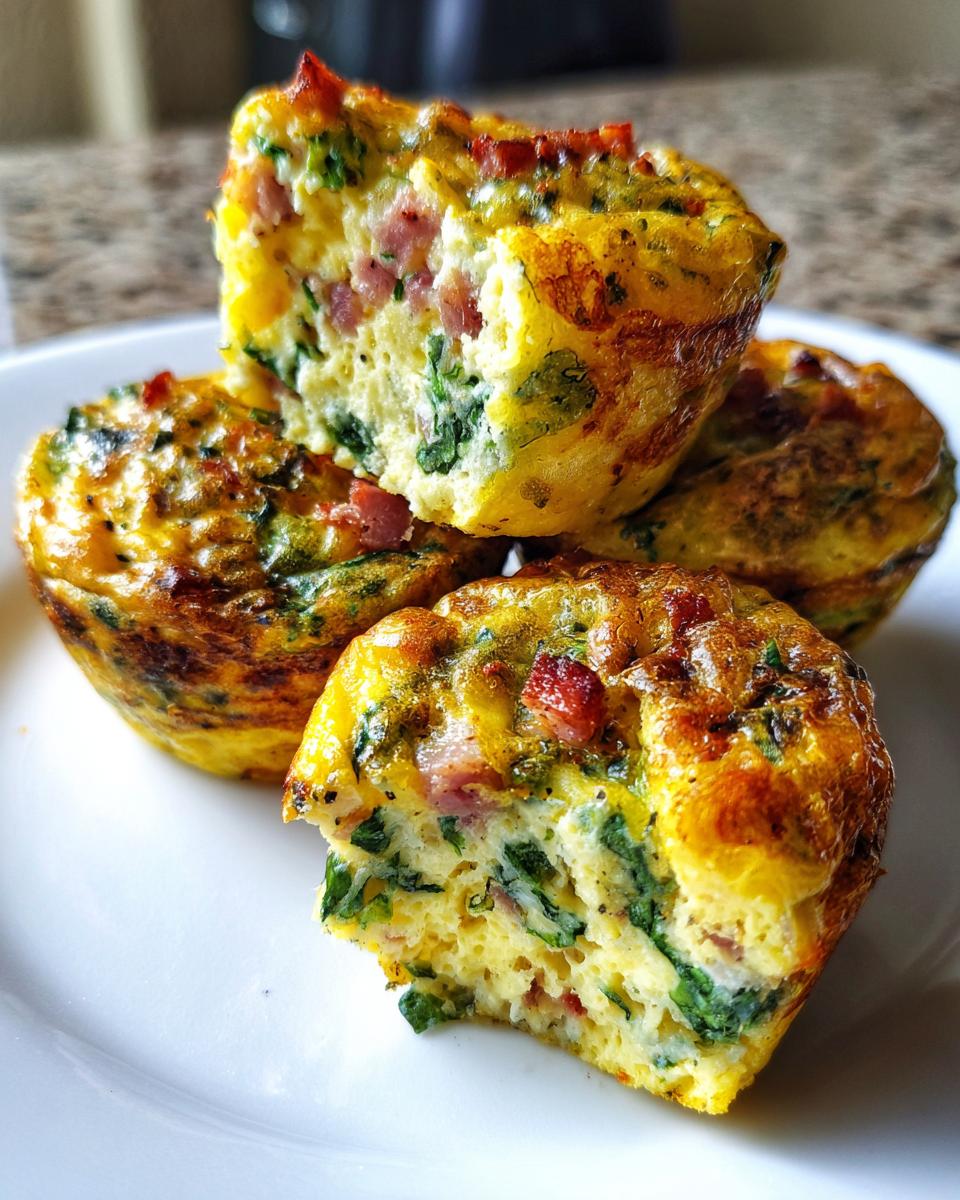
- They are incredibly protein packed, which keeps the kids (and me!) full until lunch rolls around.
- Freezing, chilling, reheating—they handle it all like champs. Trust me on this one; these are worth the ten minutes of effort now for an easy week later.
- You can check out some more of my favorite storage strategies here!
Perfect for Grab and Go Eggs and Busy Mornings
Honestly, these are my favorite kind of grab and go eggs because they are totally self-contained. You don’t need a fork, you don’t need a plate—you just grab one or two and you’re out the door. That little protein boost is everything when the alarm goes off too early. They’re so simple, they’re fool-proof!
Simple Recipe for Make Ahead Breakfast Success
When I talk about making something simple, I mean it. Since this recipe is rigorously tested and perfected—it won’t fail you! You just mix, dump, and bake. That’s the beauty of our tried-and-true method when creating your own make ahead breakfast stash.
Gathering Ingredients for Your Egg Muffin Cups
Okay, let’s talk supplies! The amazing thing about these egg muffin cups is that they rely mostly on what you already have on hand. Every ingredient listed here is chosen for reliability—they mix well, bake evenly, and taste fantastic. Remember, if you’re aiming for a true low carb breakfast life, you have loads of wiggle room here, but for this baseline recipe, stick to what I’ve listed for guaranteed success.
Here’s exactly what you need for a full 12-cup tray of these wonderful bites:
- 12 large eggs (Don’t skimp on fresh eggs here!)
- 1/4 cup milk (Any kind works—whole, skim, or even almond milk if that’s all you have.)
- 1/2 teaspoon salt
- 1/4 teaspoon black pepper
- 1 cup chopped cooked meat (This means bacon you cooked last night, ham diced up, or sausage that’s already browned!)
- 1/2 cup shredded cheese (I use sharp cheddar, but Monterey Jack melts beautifully too.)
- 1/2 cup chopped vegetables (Spinach that you’ve squeezed dry, finely diced bell peppers, or soft sautéed onions are perfect.)
Ingredient Notes and Low Carb Breakfast Substitutions
When you are prepping these muffin tin eggs, I always say the quality of your mix-ins really impacts the final result. If you are swapping vegetables, make sure they are cooked slightly first, especially things like mushrooms or broccoli, otherwise, they release too much water, and you don’t want watery egg muffin cups.

If you’re focusing strictly on making these true keto egg bites—which happens easily—just ensure your additions are low carb. Skip sweetizing any sausage or bacon, and definitely skip adding any flour or breadcrumbs, which sometimes people throw in for texture but we don’t need here! Stick to cheese, meat, and low-carb veggies like spinach and peppers for the best result.
Step-by-Step Instructions for Perfect Muffin Tin Eggs
Alright, this is where the magic comes together! Because I’ve developed so many recipes professionally, I can tell you that the *how* is just as important as the *what* when making these muffin tin eggs. Don’t rush the prep, and your protein packed results will be flawless. We need that oven hot and ready to go so the eggs set up nicely and don’t deflate on us. Check out my tips on best practices for baking if you want the full science breakdown! You can find those specific baking tips right here.
Preparing the Pan and Mixing the Egg Muffin Cups Base
First things first: preheat that oven to 375°F (190°C). Now, take your standard 12-cup muffin tin and grease it really, really well. Seriously, don’t be shy here! If you skip this, you’ll get frustrated trying to pry those beautiful egg muffin cups out later. Better yet, use silicone liners—they work like a charm and make cleanup a snap.
Next, grab a big bowl. Crack those 12 eggs in, pour in the milk, and sprinkle in your salt and pepper. Whisk it aggressively until it gets a little frothy on top. You just want that yolk and white totally incorporated and slightly airy.
Assembling and Baking Your Protein Packed Egg Muffin Cups
Time for the fun part! Distribute all your cooked meat, cheese, and veggies evenly into the bottoms of those greased cups. Fill them about halfway, maybe a little more. Then, carefully pour that whisked egg mixture over the solids. Don’t fill them past three-quarters full, or we’ll have overflow messes!
Into the oven they go for about 18 to 22 minutes. How do you know they are done? The edges should look set and slightly pulled away from the tin. The best test, which Katie always insists on, is inserting a toothpick into the center of one cup—if it comes out clean, they’re done! Let them rest in the pan for five minutes before trying to pop them out gently.
Tips for Success Making Flawless Egg Muffin Cups
Even though this recipe is built on proven science, sometimes the difference between *good* and *amazing* muffin tin eggs comes down to those little details I picked up over years in the test kitchen. Here are my top tips to guarantee your batch of egg muffin cups comes out looking picture-perfect every time you make them.
First, and I cannot stress this enough: Don’t overfill! When I mentioned filling them only three-quarters full, I meant it. Eggs puff up beautifully when they bake, and if you fill them to the brim, you get messy tops that fuse together, or worse, a puddle on the bottom of your oven. We want neat little domes for that perfect grab and go eggs experience.
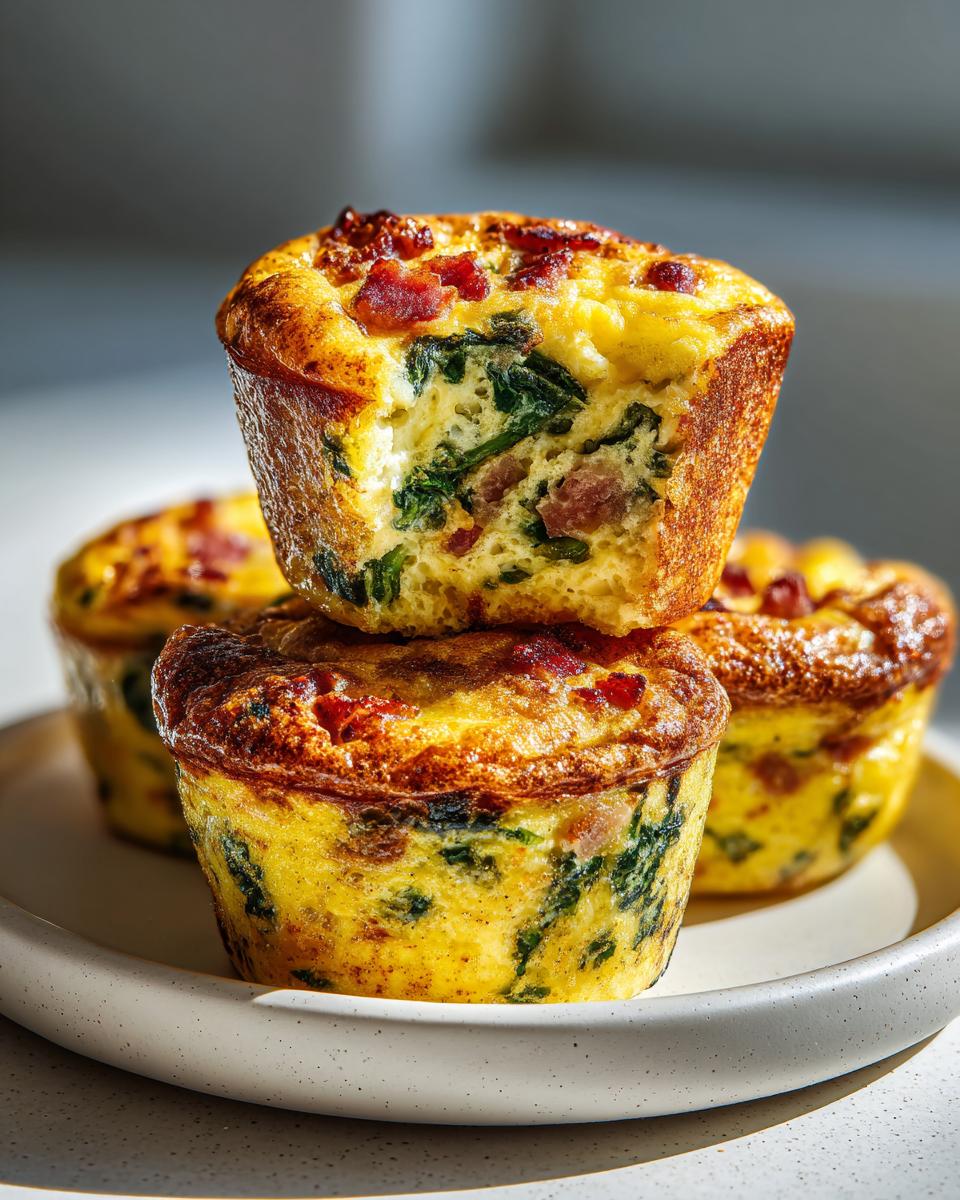
Second, cook your add-ins! If you toss raw peppers or onions in there, they release moisture during the bake, which can lead to soggy bottoms on your finished cups. Sautéing them quickly first or using pre-cooked bacon/sausage ensures the moisture content stays manageable. This professional step prevents that sad, watery layer at the bottom of your egg muffin cups.
Third, don’t skip that 5-minute cool-down time in the pan. When hot eggs come immediately into contact with cooler air outside the pan, they contract sharply, and that’s when they stick or start to tear apart. Letting them rest gives the structure a moment to solidify before you try to unmold them. If you want the absolute best non-stick method, I highly suggest looking into my favorite silicone liners here—they are a total game-changer for easy removal!
Fourth, whisk well enough! You need that air incorporated into the eggs before they go into the oven. That slight frothiness we talked about helps create that light, protein packed texture rather than a dense, rubbery brick. Give that whisk a good 30 seconds of effort!
Storage and Reheating Instructions for Your Egg Muffin Cups
This is honestly my favorite part about making these egg muffin cups—the fact that they are a total lifesaver for future mornings! If you are serious about breakfast meal prep, you need meals that last, and these little guys are built for the long haul. If you seal them up correctly, they’ll be ready for you when you need that quick, protein packed snack.
First and most important: You MUST let them cool completely. I mean stone cold. If you try to bag them up warm, you’re just trapping steam, and that steam turns into condensation, which leads to sad, soggy muffin tin eggs. Set them on a wire rack until they’re room temperature—it sounds slow, but it’s crucial for texture!
Once they are cool, stack them up in a freezer-safe Ziploc bag or an airtight container. Here’s the trick that professional developers use: slip a small piece of parchment paper between the layers if you’re stacking more than three. This stops them from sticking together into one giant egg brick. I’ve had these last perfectly for up to a full month in the freezer!

When breakfast time rolls around, you just grab one or two—they are perfect grab and go eggs right out of the freezer, by the way! Pop them in the microwave for about 30 seconds for a single cup, or maybe 60 seconds if you’re feeling ambitious and snagging two. They heat up fast and taste almost as good as fresh. See? Easy peasy!
Serving Suggestions for Your Egg Muffin Cups
While these flavorful egg muffin cups are certainly a complete, protein packed meal all on their own—especially if you’re counting macros or going for that low carb breakfast life—sometimes you just want to round out the plate, right?
I never want breakfast to feel like a chore, so I usually stick to pairings that require zero extra cooking time, since the whole point is speed! These pair wonderfully with something fresh or slightly sweet to balance out the savory meat and cheese inside your muffin tin eggs.
My go-to suggestion is always fruit. A small bowl of berries—blueberries or sliced strawberries—adds natural sugar and fiber without making you spend another minute over the stove. Or, if you want something heartier, grab a slice of good quality whole-grain toast. You can even toast it ahead of time with your batch, making it a truly ready-to-eat meal!
If you’re curious about some heartier accompaniments that still keep things speedy, check out my list of quick additions over here—things like avocado slices or a little side of salsa are amazing with these even if they aren’t technically “meal prep” items.
Honestly, the beauty of these grab and go eggs is that they work with *anything*. They are so versatile, which is why they are the ultimate make ahead staple. You really can’t go wrong!
Frequently Asked Questions About Egg Muffin Cups
I know you’ll have questions when you first try making a big batch of these egg muffin cups, especially if you’re trying to nail down a specific eating plan! Since I’ve put these through every scenario possible when developing the recipe, let me cover the most common worries so you can bake with total confidence. There’s almost always a way to adapt these basic muffin tin eggs to fit your needs!
Are these Egg Muffin Cups suitable for a Keto Diet?
Absolutely, yes! These are inherently very close to what you’d want for keto egg bites already. Since the base is just eggs, a splash of milk, meat, and cheese, they are naturally very low in carbohydrates. If you stick to low-carb veggies like spinach, mushrooms, and peppers, you’ve got a perfect low carb breakfast ready to go. Just make sure any bacon or sausage you toss in hasn’t been cured with sugar or honey, which can sometimes sneak into pre-cooked meats!
What is the best way to store leftover muffin tin eggs?
The best way really depends on when you plan to eat them, but trust me, you want to use airtight containers for either option. If you think you’ll eat them within four or five days, the fridge works just fine. Just make sure they are fully cooled before sealing them up—that’s my number one rule for refrigeration to keep them from getting sweaty.
But if you’re like me and you made a huge batch for a full week of breakfast meal prep, freeze them! Remember that parchment paper trick I mentioned? Use it when separating the layers in your container. They freeze wonderfully and reheat like a dream. You can keep these stored safely for up to a month this way!
Can I use different kinds of milk in the mixture?
Oh, you certainly can! You’ll see the recipe just calls for the 1/4 cup of milk, and that’s usually whatever I have on hand—sometimes it’s whole milk, sometimes it’s unsweetened almond milk. Because the amount is so small, it won’t drastically change the texture or flavor profile of your egg muffin cups. It’s really there just to help loosen the mixture and give the eggs a slightly fluffier structure when they bake.
My cups shrank a lot after baking. Did I overcook them?
Shrinking is super common with eggs, especially when they’re baked in a high-heat environment like a 375°F oven! Usually, shrinking happens for two reasons: one, they were slightly overcooked (the toothpick test is strict—moist crumbs, not dry!), or two, you didn’t whisk them enough at the start.
If you skip that crucial whisking step, you don’t incorporate enough air. When the egg cooks, the structure tightens up too much, causing that noticeable pull-away and shrink. Try giving that base mixture an extra 15 seconds of aggressive whisking next time. It makes a noticeable difference in the final size of your grab and go eggs!
How do I make sure the mix-ins don’t sink to the bottom?
This drives me crazy, too! If everything sinks, you end up with 12 beautiful, puffy plain egg cups and one cup full of cheese and ham at the very bottom. The key here is to address the mixture distribution. Make sure you lightly coat your mix-ins with a tiny bit of that egg mixture *before* you pour it all in. If you toss your meat and veggies equally into the cups first (which we did in step 3), and then pour the liquid over them, the solids get suspended better! Also, if your veggies are cooked and cooled—not steaming hot—they won’t displace the egg mixture as easily, helping keep them suspended throughout your protein packed batch.
Estimated Nutrition for These Protein Packed Egg Muffin Cups
Because you know I love diving into the details—and because my Food Science brain can’t help itself—here is the estimated nutrition breakdown for one of these amazing protein packed cups. Remember, since you customize the meat and cheese, these numbers are based on standard ingredients, so your personal count might shift a little! But this shows you just how great these are for a light, easy breakfast.
- Serving Size: 1 cup
- Calories: 95
- Fat: 6g
- Carbohydrates: 2g
- Protein: 8g
- Sugar: 1g
It’s incredible how much protein you get for so few calories! That’s why these are perfect!
Share Your Experience Making These Grab and Go Eggs
Well, that’s it! We’ve gone from a pile of raw ingredients to a full tray of glorious, easy egg muffin cups ready to tackle the week. I really hope you’re feeling confident and excited to try these out for your next make ahead breakfast session.
Now, the best part of testing recipes is hearing what *you* think! My goal here at Frosted Fancies is to make sure these recipes work perfectly in your kitchen, just like they do in mine. So once you’ve had a chance to bake them—whether you loved them plain or went wild with gourmet additions—I’d absolutely love to hear about it.
Did you bake them for the kids? How fast did they disappear? Did you try a weird vegetable combination that actually worked? Don’t keep the secrets to yourself!
I’m always reading every comment, especially ones that point out anything I might have missed when testing. Please take a second to jump down to the comment section—you can find the prompt to leave your feedback right here—and let me know:
- How many stars you’d give these grab and go eggs!
- What are your absolute favorite mix-ins for these muffin tin eggs? Sweet sausage? Feta cheese? Tell me everything!
Seeing your finished trays of perfectly cooked, protein packed bites is seriously the highlight of my day. Thank you so much for joining me in the kitchen today. Happy baking, and I hope these simple egg muffin cups bring a little bit of easy joy to your chaotic mornings!
PrintSimple Egg Muffin Cups for Meal Prep

Bake portable, protein-packed egg muffin cups perfect for quick breakfasts or snacks. These are easy to make ahead and reheat well.
- Prep Time: 10 min
- Cook Time: 20 min
- Total Time: 30 min
- Yield: 12 servings 1x
- Category: Breakfast
- Method: Baking
- Cuisine: American
- Diet: Low Fat
Ingredients
- 12 large eggs
- 1/4 cup milk (any kind)
- 1/2 teaspoon salt
- 1/4 teaspoon black pepper
- 1 cup chopped cooked meat (ham, bacon, or sausage)
- 1/2 cup shredded cheese (cheddar or Monterey Jack)
- 1/2 cup chopped vegetables (spinach, bell peppers, or onions)
Instructions
- Preheat your oven to 375°F (190°C). Lightly grease a standard 12-cup muffin tin or use silicone liners.
- In a large bowl, whisk together the eggs, milk, salt, and pepper until well combined and slightly frothy.
- Distribute the cooked meat, cheese, and chopped vegetables evenly among the prepared muffin cups. Fill each cup about halfway with the mix-ins.
- Carefully pour the egg mixture over the solids in each cup, filling them about three-quarters full. Do not overfill.
- Bake for 18 to 22 minutes, or until the eggs are set and a toothpick inserted into the center comes out clean.
- Remove the tin from the oven and let the egg cups cool in the tin for 5 minutes before carefully removing them.
Notes
- For freezer storage, cool the egg cups completely. Place them in a freezer-safe bag or container, separating layers with parchment paper. They keep well for up to one month.
- To reheat, microwave one or two cups for 30 to 60 seconds until heated through.
- You can substitute any cooked protein or vegetable combination you prefer for a low carb breakfast option.
Nutrition
- Serving Size: 1 cup
- Calories: 95
- Sugar: 1
- Sodium: 250
- Fat: 6
- Saturated Fat: 3
- Unsaturated Fat: 3
- Trans Fat: 0
- Carbohydrates: 2
- Fiber: 0
- Protein: 8
- Cholesterol: 150