

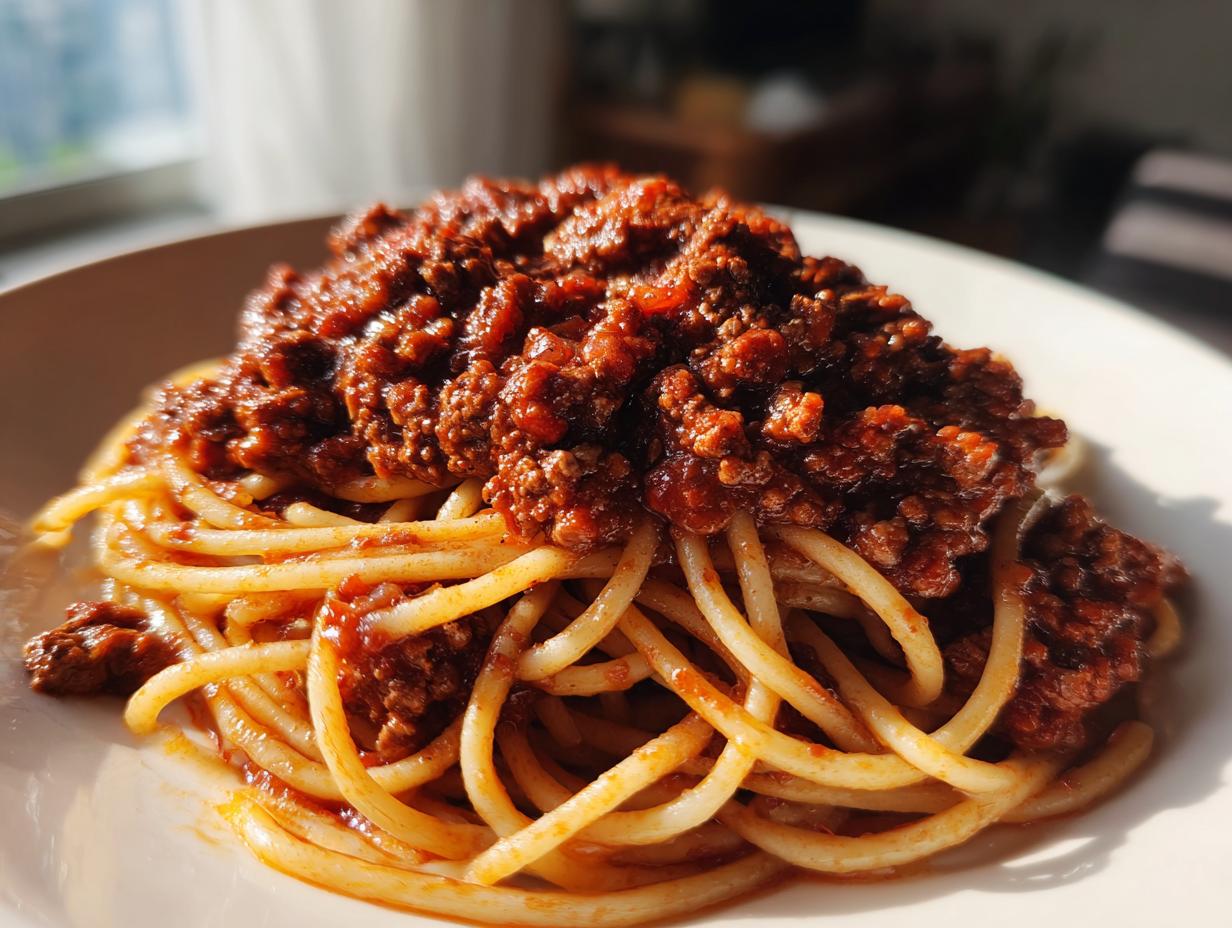
Hello there, and welcome! I’m Katie Hayes, and I’m so thrilled you stopped by my little corner of the internet today. If you’ve been hunting high and low for that deeply comforting, truly rich, slow-simmered meat sauce that tastes like it’s been bubbling away all weekend, you’ve found it. This is my recipe for the definitive bolognese sauce—a traditional ragu that is worth every single minute of simmering time. After years working as a professional recipe developer, learning the actual science behind flavor development, I can promise you this method works perfectly. Get ready to create the heartiest pasta meal you’ve ever made from scratch!
- Why This Bolognese Sauce is the Best Bolognese Sauce Recipe You Will Make
- Gathering Ingredients for Your Homemade Bolognese From Scratch
- Step-by-Step: How to Make Bolognese Sauce Like a Pro
- Tips for the Hearty Meat Sauce for Pasta Success
- Serving Suggestions: Pairing Your Bolognese Sauce
- Storage and Making This Freezer Friendly Sauce Recipe Ahead
- Frequently Asked Questions About Making Classic Italian Dinner
- Nutritional Estimate for Your Bolognese Sauce
- Share Your Bolognese Sauce Creations
Why This Bolognese Sauce is the Best Bolognese Sauce Recipe You Will Make
I know what you’re thinking: *another* meat sauce recipe? Trust me, this isn’t your 30-minute weeknight version. This bolognese sauce earns its stripes because it respects tradition and the chemistry of flavor. When you commit to the long simmer, you unlock a flavor profile that you just can’t replicate quickly. You can see why so many great home cooks gravitate toward this approach when they want the absolute best bolognese sauce recipe.
- Depth Over Speed: We focus on building layers, not just cooking ingredients.
- Texture Mastery: The specific meat combination ensures it’s the right texture for tossing with pasta.
- Tested Success: My food science background means these steps are perfected for guaranteed success every time you make this rich pasta sauce.
The Science Behind a Traditional Ragu Recipe
The secret weapon here is the milk! Before you add the tomatoes, incorporating milk might seem weird, but it’s pure chemistry. It mellows the acidity of the final sauce and tenderizes the meat fibers beautifully. When you let your meat mixture simmer low and slow for hours, you maximize the Maillard reaction. This slow cooking process is what converts the ingredients into that glorious, deeply flavorful meat sauce that clings perfectly to every piece of pasta.
Key Components for Authentic Italian Bolognese
To keep this firmly in the authentic realm, ditch the idea of just using ground beef. We start with pancetta because rendering that fat gives us the perfect starting point—it’s pure flavor gold! Then, we blend ground beef with ground pork. That pork fat provides essential tenderness and richness that straight beef just can’t manage. This two-meat approach is what truly separates this from a standard tomato-based meat sauce. This is how we achieve a true, hearty ragu.
Gathering Ingredients for Your Homemade Bolognese From Scratch
Okay, ingredient prep is where we lay the foundation for that incredible, deeply flavorful result. When making a homemade bolognese from scratch, you need to know exactly what you’re working with. Don’t worry if some ingredients sound fussy; they matter! I’ve listed everything out below, and trust me, chopping the vegetables finely—what we call the soffritto—really helps everything melt together during cooking. This list gives you everything needed for that classic, savory base.
- 1 tablespoon olive oil—just standard stuff.
- 4 ounces pancetta, finely diced—this starts the flavor party!
- 1 medium yellow onion, finely chopped.
- 2 carrots, finely chopped.
- 2 celery stalks, finely chopped.
- 1 pound ground beef (I like 80/20 for richness).
- 1/2 pound ground pork.
- 1 cup dry red wine, like Chianti—just make sure it’s something you’d actually drink!
- 1 cup whole milk.
- 1 (28 ounce) can crushed tomatoes—no need for fancy fire-roasted here.
- 1 cup beef broth.
- 1/2 cup tomato paste.
- 1 bay leaf.
- Salt and freshly ground black pepper to taste, which we’ll adjust later.
Go ahead and get all those veggies chopped now, because once the heat hits the pancetta, things move fast! You can find some great tips on ingredient sourcing when you look at the steps in a traditional ragu recipe online, but this list is exactly what you need for my tested version.
Step-by-Step: How to Make Bolognese Sauce Like a Pro
This is where the magic happens, folks! Following these instructions exactly, especially regarding temperature and timing, is how we transform simple ingredients into that amazing, rich sauce. Remember, my goal is to give you foolproof instructions based on years of professional recipe development, ensuring your first batch of this wonderful bolognese sauce is a total success. You might even pick up a few professional tricks mentioned by chefs like Gordon Ramsay when you’re looking up inspiration, like the importance of that milk soak over at Gordon Ramsay’s Bolognese Sauce Recipe!
Building the Flavor Base: Soffritto and Meat Browning
First things first, grab your heavy Dutch oven. Heat the olive oil and toss in that diced pancetta. We want it nice and crisp—that renders out essential flavor!). Scoop out the crispy bits afterward, saving them for later! Now, add your finely chopped onion, carrots, and celery. You need to cook this mixture, the soffritto, until those vegetables are absolutely soft and translucent, which takes about 10 minutes. Don’t rush this step; this flavor base is everything!
The Crucial Wine and Milk Reduction for Slow Cooked Meat Sauce
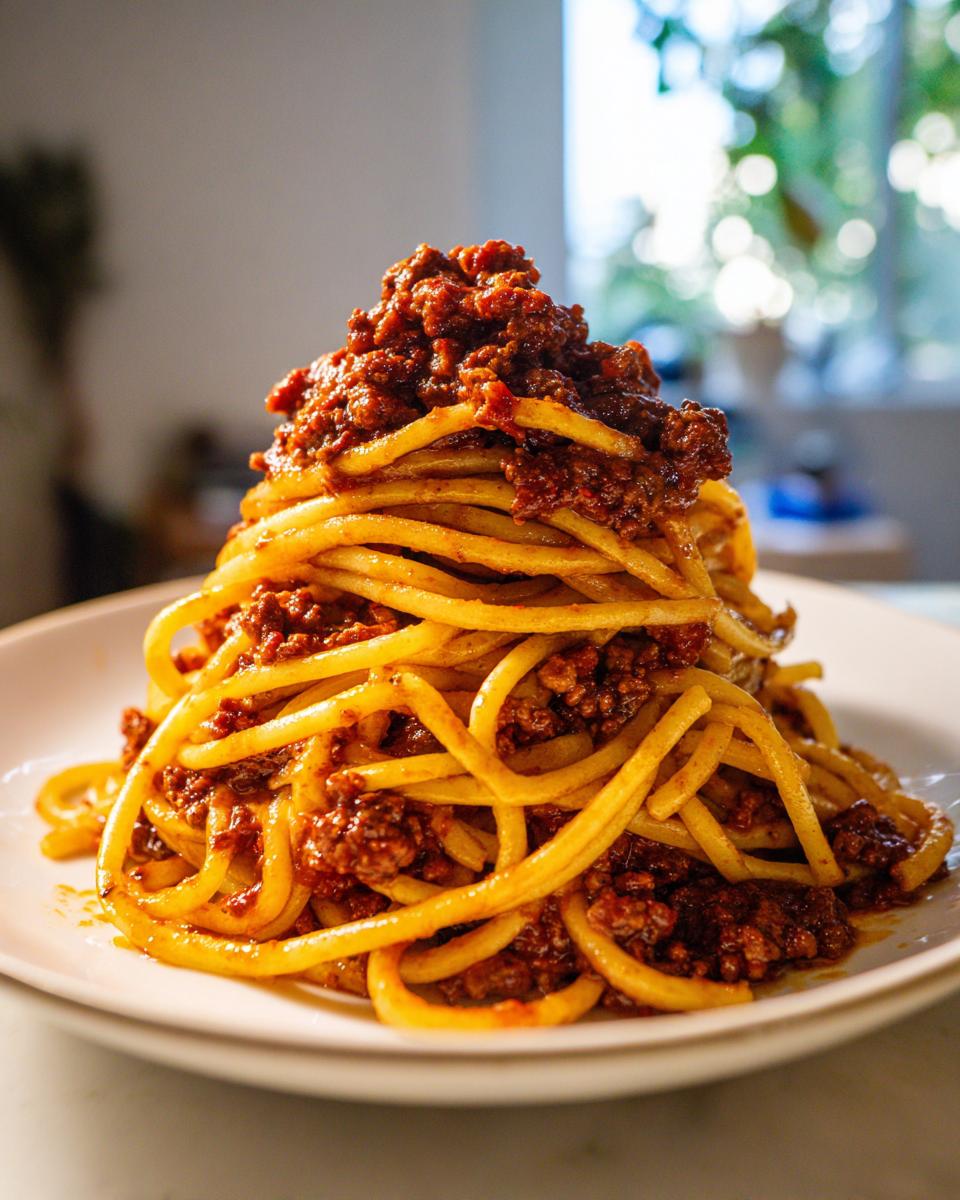
Next up, turn the heat up a little and brown your ground beef and pork really well. Once it’s browned, pour in that dry red wine. You must let that wine simmer down until it’s nearly gone; this concentrates the flavor and cooks off the harsh alcohol notes. It’s non-negotiable for a proper texture! Immediately follow that by pouring in the whole milk. Again, let it simmer until it’s absorbed right into the meat. This process is what beautifully tenderizes the meat mixture for our ultimate slow cooked meat sauce.
The Long Simmer: Developing the Perfect Bolognese Sauce
Now we add the tomatoes, broth, paste, and that bay leaf. Bring it all up to a gentle bubble, then immediately drop the heat to the lowest setting possible. You need a partial cover so steam can escape, allowing the sauce to thicken properly. Let this simmer for a bare minimum of two hours, but three or four is even better! You must stir it every 30 minutes so nothing sticks to the bottom. This long, slow cooking is the secret to the perfect traditional Italian bolognese.
Tips for the Hearty Meat Sauce for Pasta Success
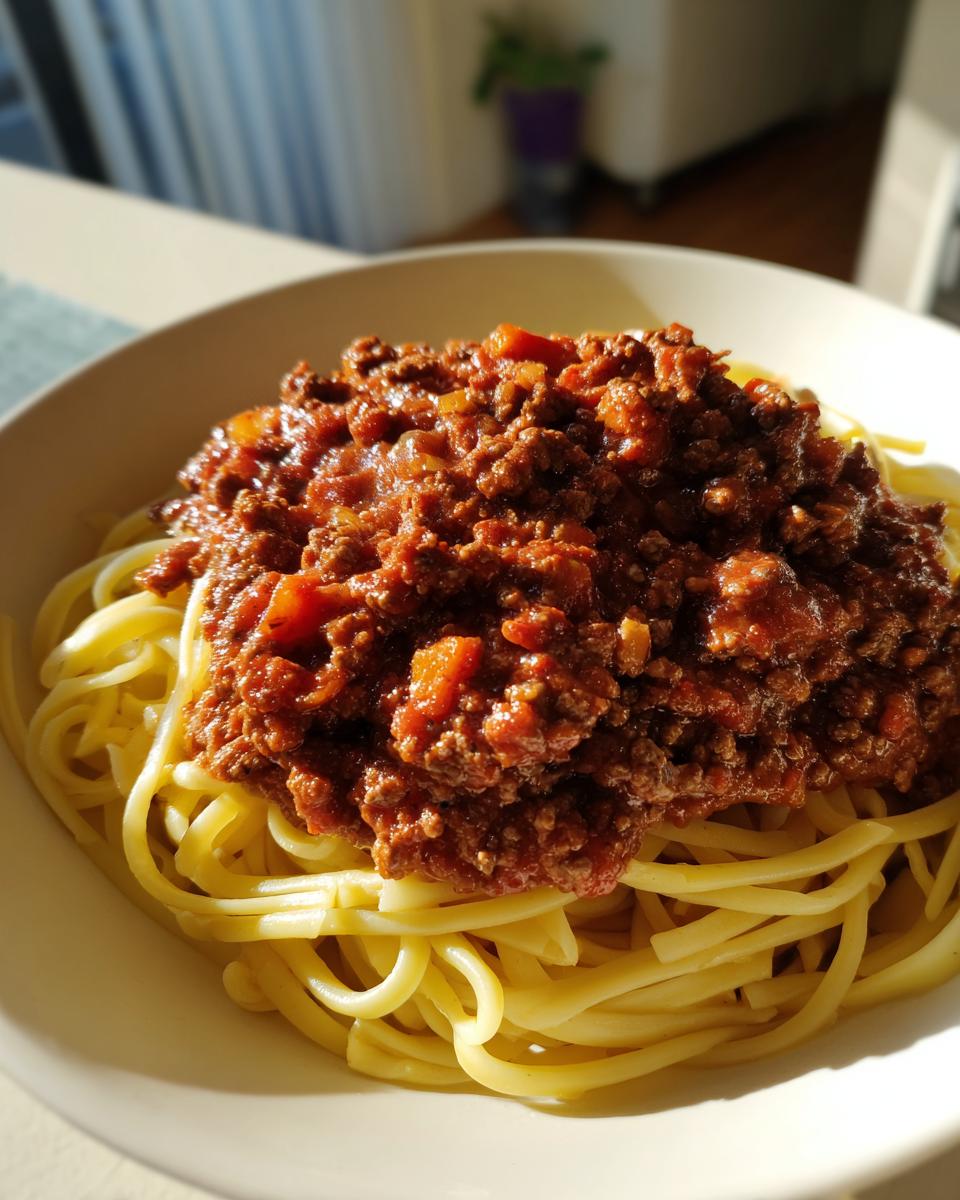
Even though this bolognese sauce requires patience, I have a few pro tips from my test kitchen days to make sure you maximize flavor every time you prepare this hearty meat sauce for pasta. If you find your sauce looks a little too thick during that long simmer, don’t panic! Just add a half-cup of warm water or extra broth to loosen it up—it happens, especially if you’re not using a perfectly sealed lid.
Also, I never salt heavily at the beginning. The wine, broth, and pancetta already bring salinity. Wait until that final 15 minutes of cooking to taste and adjust the salt and pepper. This small adjustment prevents you from getting an overly salty final bolognese sauce. Trust me on this seasoning trick; it’s a game-changer for achieving deep, balanced flavor!
Serving Suggestions: Pairing Your Bolognese Sauce
So you’ve made the masterpiece! Now, what do you serve it with? When talking about a proper, rich bolognese sauce, we need to respect tradition a little bit here. The absolute best pairing, hands down, is fresh, wide egg pasta like tagliatelle—the broad surface area holds onto that hearty meat sauce perfectly. If you’re looking for a casserole situation, this is the sauce you need for unbeatable lasagna; the slow simmer keeps it from thinning out in the oven.
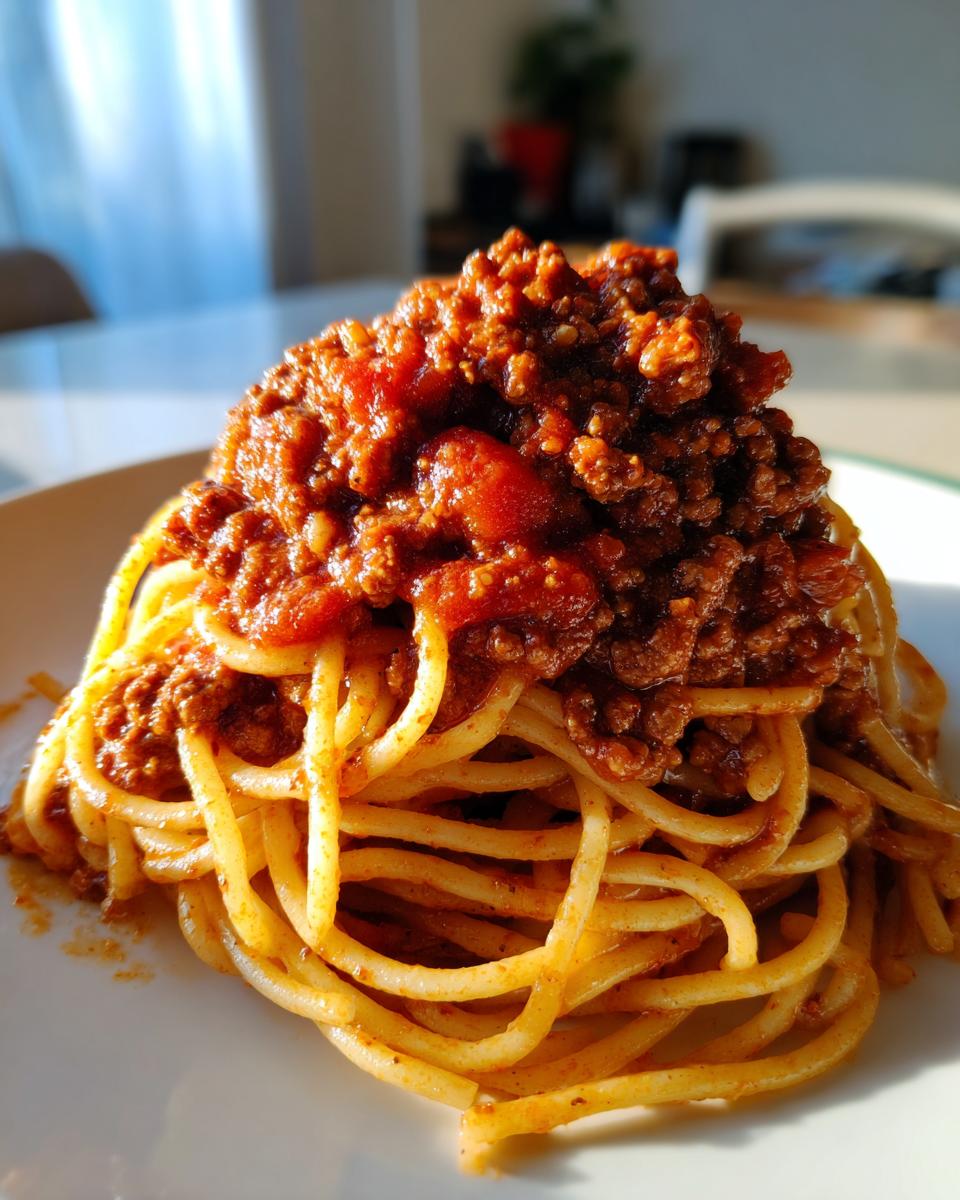
But don’t stop there! If you want an amazing classic Italian dinner that feels rustic and cozy, spoon this over creamy, soft polenta instead of pasta. It turns dinner into something completely different! You can find some fun ideas for serving this sauce over spaghetti, too, if you check out this spaghetti sauce post, but I truly think the wider noodles are king for capturing every bit of this savory bolognese sauce.
Storage and Making This Freezer Friendly Sauce Recipe Ahead
One thing I learned developing recipes for big food brands is that people need flexibility! Making this traditional bolognese sauce in a big batch is the smartest thing you can do. After your epic low-and-slow simmer, you absolutely must let the sauce cool completely on the counter before you seal it up. Don’t rush this part, okay? Hot sauce creates condensation, and condensation leads to soggy results later!
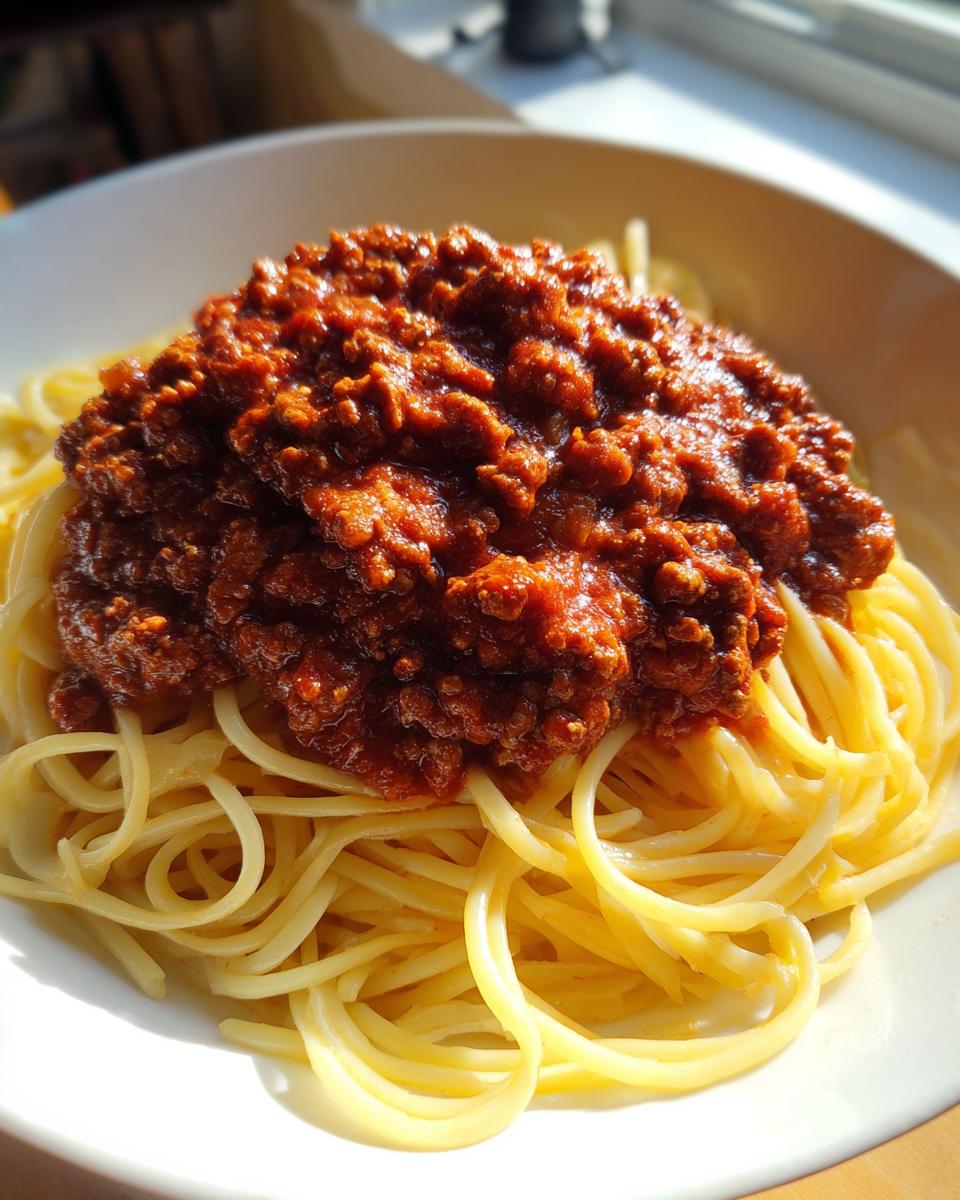
For the fridge, spoon the cooled sauce into airtight containers and enjoy it within four days. But honestly, this is such a phenomenal freezer friendly sauce recipe! Transfer the cooled bolognese sauce into sturdy freezer bags, squishing out all the air, and lay them flat on a baking sheet until frozen solid. Once frozen, you can stack them up! This way, you always have a taste of Italy ready to go when dinner needs saving.
To reheat, thaw overnight in the fridge, then simmer gently on the stovetop, adding a splash of water or broth if it seems too thick. It tastes even better the second time around!
Frequently Asked Questions About Making Classic Italian Dinner
I always get so many great questions once people dive into making this recipe—it’s wonderful! Cooking something as treasured as an authentic Italian bolognese always brings up questions about technique versus speed. Here are the most common things I hear while folks are in the kitchen creating their own Italian comfort food classics.
Can I make this easy weeknight bolognese?
Oh, honey, I totally get the weeknight crunch! While I strongly advocate for the full 2 to 4 hours because that’s where the real magic happens, you *can* do an abbreviated simmer. If you are truly pressed for time, I would say you need a minimum of 90 minutes on the lowest possible heat after adding all your liquids. However, be warned: it won’t have that same melt-in-your-mouth depth as the four-hour version! It will still be delicious, though, because the wine and milk steps do a lot of heavy lifting early on.
What is the difference between Ragu and Bolognese Sauce?
This is a fun little distinction! Officially, what we are making here is Ragu alla Bolognese, named for the city of Bologna. A traditional ragu is a meat-based sauce, sometimes with very little tomato, that is slow-cooked. Many Italian ‘ragu’ recipes are similar to this one, focusing on meat and milk/wine reduction over heavy tomato. My recipe sticks very closely to the core Bolognese traditions, using beef, pork, pancetta, and wine/milk—it’s the ultimate traditional ragu recipe!
What if I only have ground beef for my rich pasta sauce?
If you can’t find pork or simply prefer to stick to beef, you absolutely can adjust! You lose some of that essential richness and tenderness the pork fat provides, so we have to compensate. I suggest either adding an extra ounce or two of pancetta at the start and rendering it well, or, after the milk step but before the tomatoes, stir in about 1/4 cup of heavy cream or whole milk. It won’t be exactly the same, but that extra fat will help keep your rich pasta sauce from feeling too lean. You can see some great tips on adapting meat sauces over at Veronika’s Kitchen for other ideas!
Nutritional Estimate for Your Bolognese Sauce
Whenever I work in the test kitchen, I always run the final recipes through a nutritional analysis tool, just so we all know what we’re eating! For this deeply flavorful bolognese sauce, these numbers are estimates based on the ingredient breakdown above, calculated per serving. Remember, these figures are estimates based on standard calculations, so your actual values might vary depending on specific brands you choose!
- Serving Size: 1.5 cups
- Calories: 450
- Protein: 35g
- Fat: 24g
- Carbohydrates: 25g
Share Your Bolognese Sauce Creations
Now, you’ve done the work! You’ve waited patiently while your stunning, rich bolognese sauce bubbled away, filling your kitchen with the most incredible aroma. I truly want to know how it turned out for you! The community here at Frosted Fancies is the best part of what I do, and seeing your successes brings me so much joy.
Did you try serving it the traditional way with fresh pasta, or did you venture out and try it over polenta? Come back and drop a comment below right after you taste it. Let me know if you think this is the best bolognese sauce recipe you’ve ever tackled!
And please, if you snap a photo of that gorgeous tangle of pasta coated in your deeply savory meat sauce, tag me on social media! I absolutely love seeing your interpretations of my recipes. Head over to my favorites for other great sauce ideas to inspire your next cooking adventure, like checking out this post at Will Cook For Smiles. Happy cooking, and I can’t wait to hear from you!
PrintAuthentic Slow-Simmered Bolognese Sauce
This traditional ragu recipe delivers a rich, deeply flavorful, and hearty meat sauce perfect for your favorite pasta or lasagna. We use ground beef and pork for the best texture.
- Prep Time: 25 min
- Cook Time: 2 hr 30 min
- Total Time: 2 hr 55 min
- Yield: 6 servings 1x
- Category: Dinner
- Method: Stovetop Simmering
- Cuisine: Italian
- Diet: Low Fat
Ingredients
- 1 tablespoon olive oil
- 4 ounces pancetta, finely diced
- 1 medium yellow onion, finely chopped
- 2 carrots, finely chopped
- 2 celery stalks, finely chopped
- 1 pound ground beef (80/20 recommended)
- 1/2 pound ground pork
- 1 cup dry red wine (like Chianti or Merlot)
- 1 cup whole milk
- 1 (28 ounce) can crushed tomatoes
- 1 cup beef broth
- 1/2 cup tomato paste
- 1 bay leaf
- Salt and freshly ground black pepper to taste
Instructions
- Heat the olive oil in a large Dutch oven or heavy-bottomed pot over medium heat. Add the diced pancetta and cook until crisp, about 5 to 7 minutes. Remove the pancetta with a slotted spoon and set aside, leaving the rendered fat in the pot.
- Add the chopped onion, carrots, and celery (the soffritto) to the pot. Cook, stirring occasionally, until the vegetables are soft and translucent, about 10 minutes.
- Increase the heat to medium-high. Add the ground beef and ground pork. Break up the meat with a spoon and cook until browned completely. Drain off any excess fat.
- Pour in the red wine. Bring to a simmer and cook, scraping up any browned bits from the bottom of the pot, until the wine has almost completely evaporated, about 5 minutes.
- Pour in the whole milk. Bring to a simmer and cook, stirring occasionally, until the milk has mostly evaporated and absorbed into the meat mixture, about 10 to 15 minutes. This step tenderizes the meat.
- Stir in the crushed tomatoes, beef broth, tomato paste, and bay leaf. Return the cooked pancetta to the pot. Season with salt and pepper.
- Bring the sauce to a gentle simmer. Reduce the heat to the lowest setting, cover the pot partially (leaving a small gap for steam to escape), and let it cook slowly for a minimum of 2 hours, or up to 4 hours, stirring every 30 minutes. The longer it simmers, the richer the flavor.
- Remove the bay leaf before serving. Taste and adjust seasoning if needed. Serve this hearty meat sauce over cooked tagliatelle or use it in your next lasagna.
Notes
- For the best results, use a combination of ground beef and ground pork. This mix provides the ideal fat content and flavor depth for a traditional ragu.
- This deeply flavorful meat sauce freezes well. Cool completely, then store in airtight containers for up to three months.
- If you prefer a smoother sauce, you can blend a portion of the sauce before the final simmer, though traditional ragu is left chunky.
Nutrition
- Serving Size: 1.5 cups
- Calories: 450
- Sugar: 12
- Sodium: 550
- Fat: 24
- Saturated Fat: 9
- Unsaturated Fat: 15
- Trans Fat: 0
- Carbohydrates: 25
- Fiber: 5
- Protein: 35
- Cholesterol: 110