

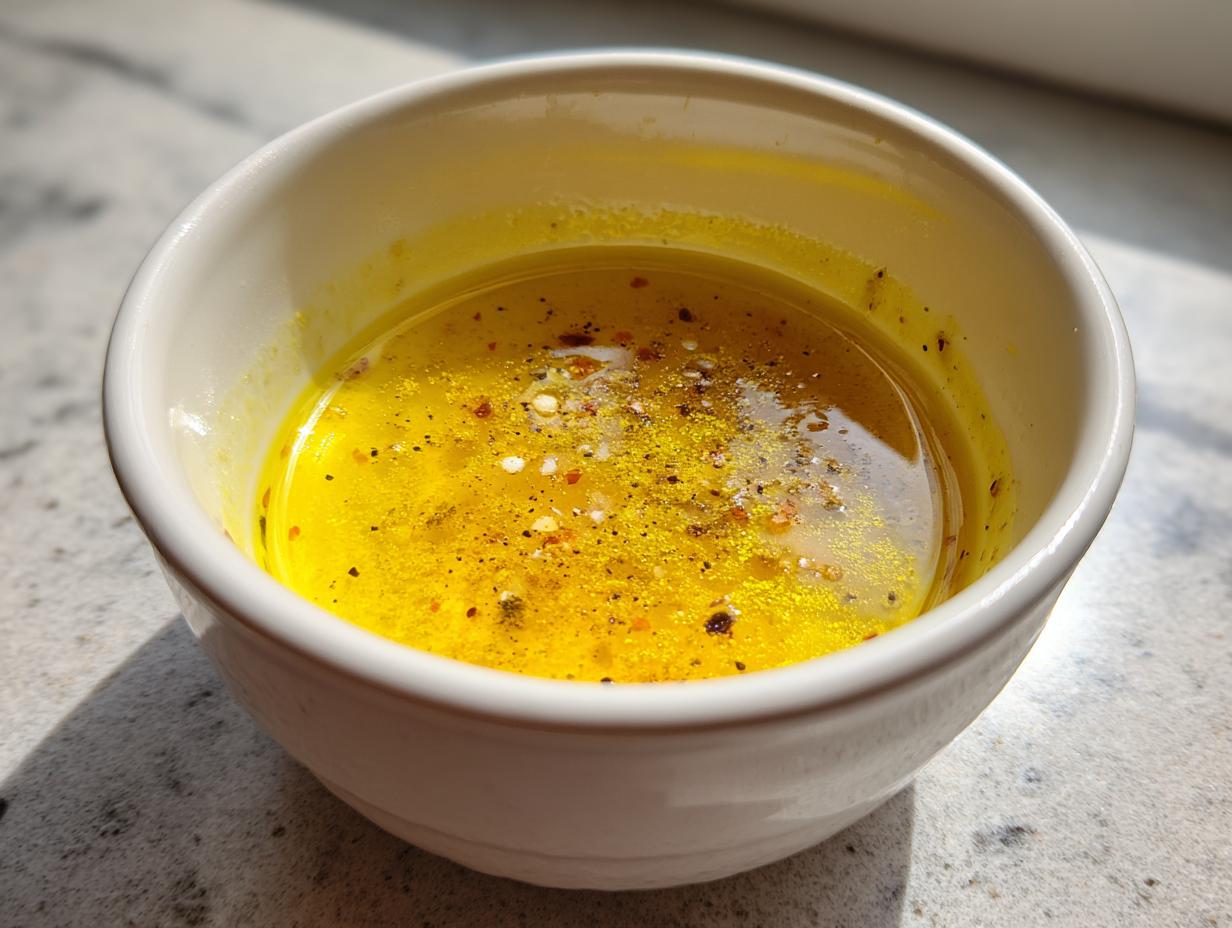
Hello there, and welcome! I’m Katie, and I’m just so thrilled you stopped by. If you’re anything like I used to be, you’ve probably reached for that jar of store-bought stuff just because you were tired. Tired of those dressings that just *taste* like additives, or the ones that don’t quite cut it on your perfect mixed greens. Well, toss that bottle, because we are done with sad salads!
Here at Frosted Fancies, we turn simple ingredients into magic, and that includes the dressing whisked right on your countertop. This ultimate guide is packed with 15 foolproof recipes, from speedy vinaigrettes to dreamy creamy options. Because I spent years in professional test kitchens understanding the *science* of flavor, I promise you—you are about to make the very best homemade salad dressing you’ve ever tasted. It’s easier than you think!
- Why You Must Make Your Own Salad Dressing (The Secret to Restaurant Flavor)
- The Foundation: Mastering the Everyday Lemon Vinaigrette Salad Dressing
- Transforming the Base: Variations for Every Occasion Salad Dressing
- Expert Tips for the Best Homemade Salad Dressing
- Ingredient Spotlight: Choosing Oils and Acids for Your Salad Dressing
- Making Salad Dressing from Scratch: Storage and Freshness
- Serving Suggestions for Your Homemade Salad Dressing
- Frequently Asked Questions About Making Salad Dressing
- Nutritional Estimates for This Homemade Salad Dressing
- Share Your Homemade Salad Dressing Creations
Why You Must Make Your Own Salad Dressing (The Secret to Restaurant Flavor)
Honestly, once you switch to making your own salad dressing from scratch, you’ll never go back. I’ve seen it happen to everyone I teach! The main reason, beyond the incredible flavor bump, is control. You know exactly what’s going into your food! No weird gums, no unnecessary sugar spikes—just real stuff.
It’s also shockingly cost-effective to whip up a batch of homemade salad dressing recipes versus buying name brands. But let’s be real, the biggest win is that bright, punchy flavor. Commercial stuff tastes flat compared to the zesty zest you get when you use fresh citrus.
- You get that amazing restaurant style salad dressing flair!
- It’s the best way to manage sodium and sugar for a truly healthy salad dressing option.
- You’re using fresh pantry staple dressings whenever you need them.
Trust me, it’s worth the 5 minutes! You can find more great ideas over here on how to keep your meals easy and clean using simple ingredients. Plus, check out these other genius ways to amp up your salads for flavor-packed results.
The Foundation: Mastering the Everyday Lemon Vinaigrette Salad Dressing
If you only master one salad dressing recipe in your life, make it this one. I’m talking about the everyday lemon vinaigrette! This is the backbone, the absolute starting point for so many other flavor profiles, and the most essential vinaigrette recipe you need in your pocket. When I was perfecting recipes professionally, I learned that if the core balance of acid, fat, and salt isn’t right here, nothing else will shine.
This base recipe comes together in about 5 minutes—truly! It’s what I whip up when I realize I need a quick, fresh salad dressing for a spontaneous dinner salad. I always recommend bookmarking this as your go-to—you can find so many great takes on this very essential flavor profile over at this overview, and this simple recipe is a winner too. Don’t be fooled by its simplicity; the quality ingredients shine through.
Ingredients for Your Go-To Salad Dressing
For your foundational dressing, you’ll need half a cup of good quality extra virgin olive oil, and a quarter cup of really bright, fresh lemon juice, or if you prefer, you can swap that for red wine vinegar if you want it to lean more into that classic vinaigrette style. You absolutely need one teaspoon of Dijon mustard—that stuff is magic for keeping things together! Don’t forget one minced clove of garlic, half a teaspoon of salt, a quarter teaspoon of pepper, and just a tiny bit of maple syrup or honey if you like a little balance to cut the sharp edges.
Step-by-Step Instructions to Make This Easy Salad Dressing
Okay, let’s make this happen in under five minutes! First, grab a small bowl and whisk together your liquids—that’s the juice or vinegar, the mustard, the minced garlic, and all your seasonings. Whisk it until it looks happy and combined. Now for the crucial part for an easy salad dressing: you need to slowly drizzle in that olive oil while whisking constantly and vigorously! This is called emulsification, and it’s what makes that dressing turn creamy instead of just watery oil and juice.
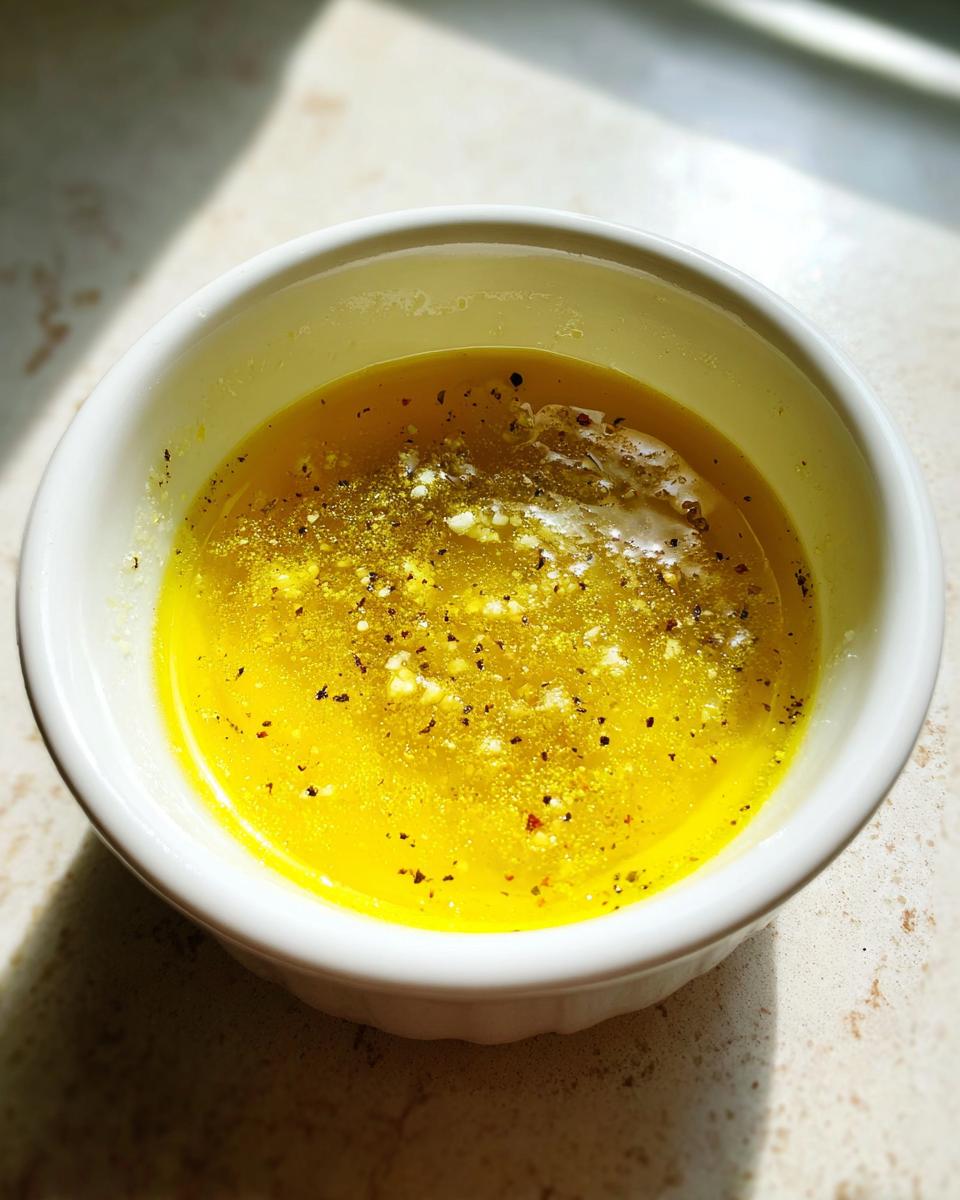
Keep whisking until everything looks combined. Taste it! Seriously, you might want a bit more salt or maybe another tiny squeeze of lemon for that extra zing. If you don’t use it right away, just pop it into an airtight container. Just remember that separation is natural! You always need to shake or whisk it really well right before you pour it out over your greens. You can see how quickly you can whip this up for effortless meal prep!
Transforming the Base: Variations for Every Occasion Salad Dressing
Now that you have that brilliant base vinaigrette down—which, by the way, uses some of the best pantry staple dressings we all have on hand—the fun really starts! You can take that exact recipe and spin it into practically any flavor you want. This is where you get that amazing variety that keeps your weeknight meals interesting!
If you loved the brightness of the lemon base, you can easily turn it into a zesty citrus vinaigrette with minimal fuss. You can find a wonderful approach to elevating that bright flavor profile right here using fresh citrus. It’s bright, sunny, and tastes like summer!
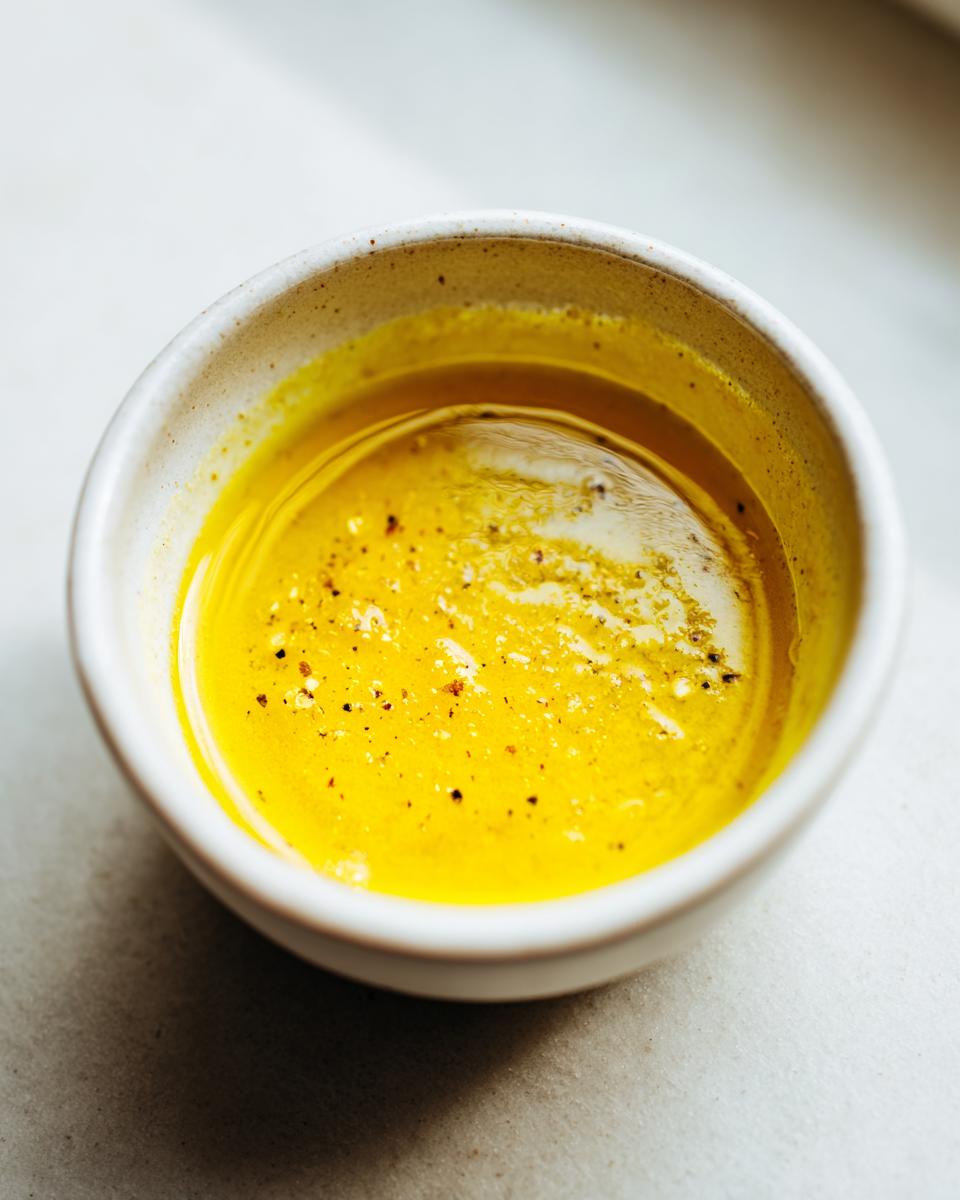
But maybe you’re done with purely oil-and-vinegar mixtures and need something richer for a hearty salad, or perhaps something warming for cooler weather, like a good winter dressing. Don’t worry, we can do that too!
Creating a Creamy Salad Dressing Texture
If you’re craving something more luscious, this is the trick! To get a truly creamy salad dressing without resorting to tons of thickeners, just whisk in about two tablespoons of plain Greek yogurt or even a good quality mayonnaise right into your finished vinaigrette base. Whisk it until it’s fully incorporated. It completely changes the texture; it becomes velvety smooth, almost like a light ranch base!
You can find a fantastic example of a great creamy recipe right here to see how good it can get.
Making a Greek Salad Dressing Flavor Profile
For those Mediterranean nights, grab your dried herbs! Take a small batch of the base recipe and add about one teaspoon of dried oregano and a tiny pinch of dried dill. That’s it! You suddenly have a bright, tangy dressing perfect for cucumbers and feta cheese. It gives you that bold, genuine Mediterranean taste you often only find in great restaurants. If you are curious about how the classic Greek flavor profiles work, you can check out some inspiration around this famous style of dressing.
Expert Tips for the Best Homemade Salad Dressing
Want to know what separates a good homemade salad dressing from something truly fantastic? It’s all in the technique, honey! We talked about whisking to emulsify, but let me emphasize: that slow, steady drizzle of olive oil is where the magic happens. If you dump it all in at once, you get soup, not a silky, glorious binder for your greens. Keep that whisk moving like you mean it!
Also, please, please use fresh citrus if the recipe calls for it. That bottled lemon juice? It just tastes flat. Freshly squeezed juice has a vibrancy that makes the whole thing sing. That brighter acid is what makes our base recipe the best salad dressing to have in your arsenal.
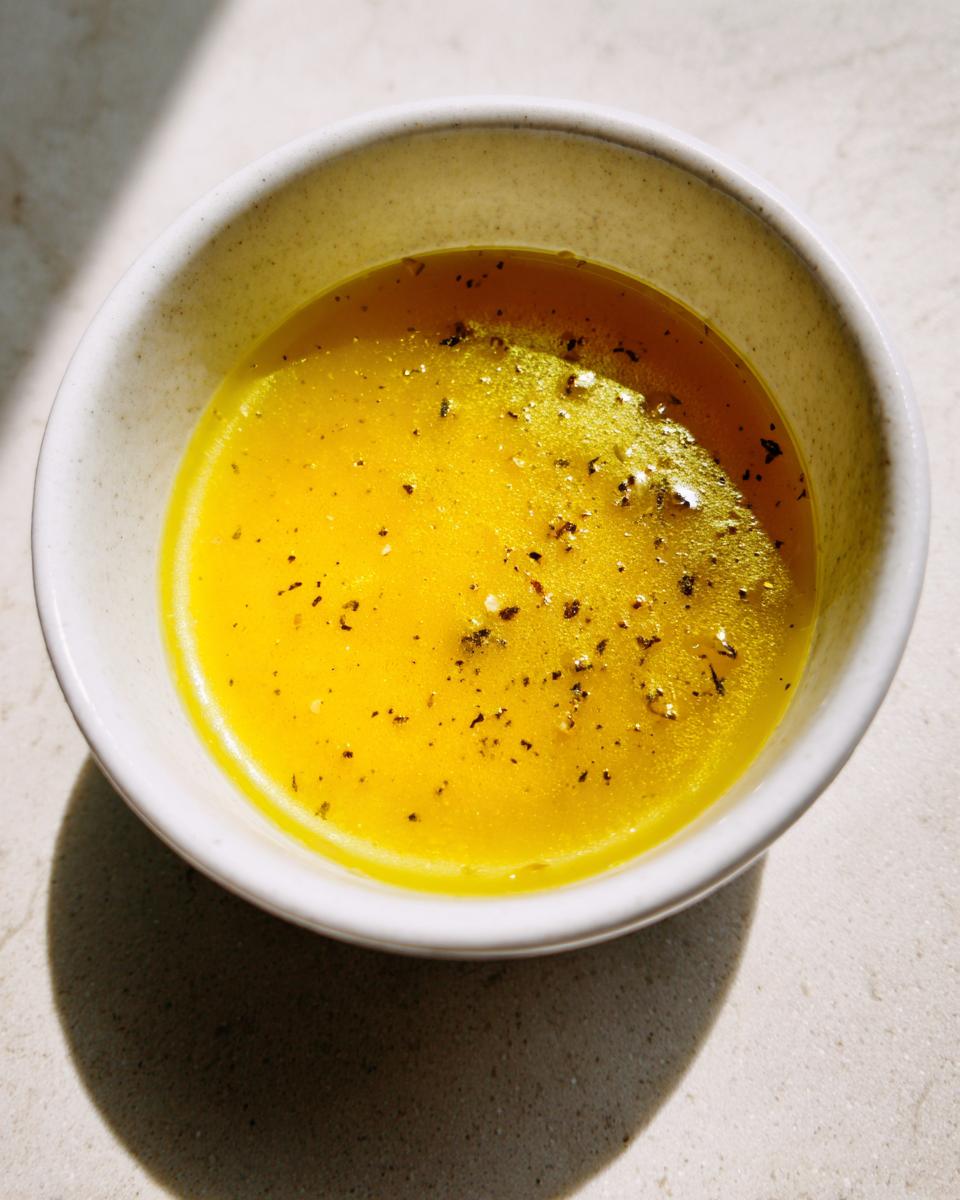
My biggest tip for getting that perfect, fresh salad dressing flavor that lasts is balancing the sweet, sour, and salty. Taste it as you go. If it tastes too sharp, add a tiny drop more oil or a pinch of your sweetener. Too oily? A squeeze more vinegar or lemon. This little touch of balancing is what my test kitchen background taught me—it turns a good recipe into something you’ll want to keep coming back to. Check out this fantastic take on dressing up kale—it nails the balance perfectly: a recipe that really shows off balancing flavors! And if you’re looking for a classic approach to whisking that foundation, this inspiration is helpful for reliable results.
Ingredient Spotlight: Choosing Oils and Acids for Your Salad Dressing
When we talk about making a healthy salad dressing, we have to talk about the main players: the oil and the acid. These two ingredients are 90% of your vinaigrette, so choosing wisely totally changes the outcome. Don’t just grab the first bottle you see on the shelf!
For the fat side of things, you’ll usually use Extra Virgin Olive Oil (EVOO), and for good reason—it has amazing flavor and healthy fats. But sometimes, EVOO can be a little strong if you’re using delicate greens or if you just want that bright, neutral flavor profile that allows the herbs to really sing. If that’s the case, you want a neutral oil like avocado oil or light sunflower oil. Avocado oil is my secret favorite for keeping things super healthy while not fighting with lemon or Dijon.
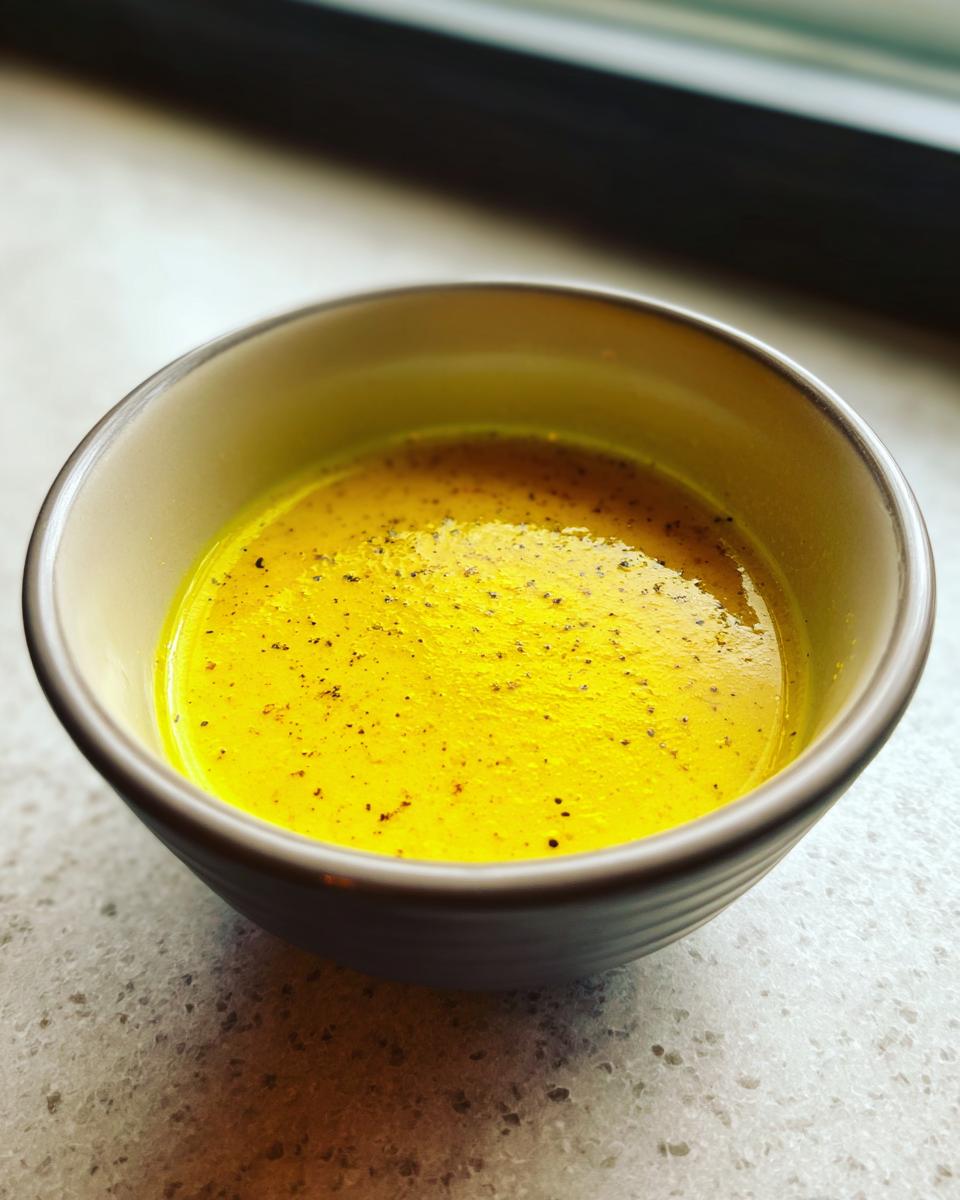
Now for the acids! This is where you decide if you want punchy, sharp, or slightly sweet. Red wine vinegar is classic, giving you that beautiful, robust tang. But if you want something lighter and fruitier that plays super well with maple syrup, you absolutely have to try apple cider vinegar. Just make sure whatever you pick is one you actually like drinking a little bit of on its own—that’s how you know it’ll be great in your next homemade creation!
Making Salad Dressing from Scratch: Storage and Freshness
One of the absolute best things about deciding to make salad dressing from scratch is that you can make a big batch and not worry about spoilage like that scary stuff in the fridge aisle. But even though ours is full of fresh, lovely ingredients, it still needs a little love when putting it away.
Since vinaigrettes are essentially oil and acid waiting for a good fight, they will naturally separate after sitting for a few hours. That’s totally fine! Just transfer whatever you don’t use immediately into a tightly sealed, airtight jar or container. Whenever you’re ready for your next bowl of greens, just pull it out, give it a really hard shake—or grab a tiny whisk if you’re feeling fancy—and it’s ready to go again! Keep checking out great tips on storing your homemade potions over at this helpful resource!
Serving Suggestions for Your Homemade Salad Dressing
Okay, now that you have this incredible, zesty, perfected liquid gold, don’t just save it for boring lettuce! We need to talk versatility because a great salad dressing deserves to shine everywhere. While it’s fantastic as a simple dressing for greens—and I mean, that’s its bread and butter—think beyond the bowl!
This lemon vinaigrette is amazing drizzled over roasted vegetables. Broccoli, asparagus, sweet potatoes—just toss them while they are still warm! The acid brightens up that roast flavor so much. It also makes a killer marinade for chicken or fish, especially if you let it sit for about 30 minutes before grilling or baking.
And listen up, this is where you level up your lunch game: use it on grain bowls! Mix it into quinoa or farro with some chickpeas and feta, and suddenly you have a meal that tastes like something you’d pay $15 for at a chic lunch spot. It’s also great as a quick dipping sauce for fresh veggies—think carrots, celery, bell peppers. Skip the heavy ranch dip and go for this bright, satisfying flavor burst. If you want some inspiration on things to add *to* your salad alongside the dressing, check out these fun salad topping ideas!
Frequently Asked Questions About Making Salad Dressing
I love hearing all your questions! It just tells me that you’re getting excited about making more things from scratch, and that makes my day. Since you all have such varied needs—whether you’re keeping things low-carb or just trying to get dinner on the table fast—I wanted to answer some of the most common things I hear after sharing these homemade salad dressing recipes.
Can I make a vegan salad dressing using this base recipe?
Oh, absolutely! This base is incredibly adaptable. If you want a fantastic vegan salad dressing, all you have to do is make sure you skip the optional honey or maple syrup if you used it. Then, just check your vinegar! Most vinegars are naturally vegan, but if you use red wine vinegar, you’re good to go! It remains a lovely, bright vinaigrette without any animal products at all.
How do I thicken my vinaigrette recipe without adding dairy?
That’s a great question if you are trying to keep things light or dairy-free! Remember, the Dijon mustard we already put in there is working hard as an emulsifier, so that helps a lot. If you still want an even thicker, more dreamy salad dressing texture, try blending a tiny sliver of avocado right into the mixture—it adds creamy body without dairy flavor. Alternatively, sometimes soaking a few cashews in hot water for ten minutes and blending those in gives you a rich, thick secret weapon!
What is the secret to a perfect 5 minute dressing?
The real secret to a perfect 5 minute dressing is preparation! You want your Dijon mustard, salt, and seasonings combined before you even look at the oil. But honestly, if you’re making a standard vinaigrette and you’re running super late, skip the bowl and whisk entirely! Just toss all your ingredients into a mason jar, put the lid on tightly, and shake like crazy for about 30 seconds. That works just as well and is super fast when you need a reliable flavor boost! If you are looking for a specific creamy option, that creamy parmesan salad dressing is worth the extra minute!
Nutritional Estimates for This Homemade Salad Dressing
I always get asked about the nutrition details since we are focusing on making things healthy salad dressing at home! And that’s a smart move—knowing what’s in your food is key to healthy eating. I pulled the numbers for the base Lemon Vinaigrette recipe we just talked about. Keep in mind, these are just good ballpark figures. The actual count changes based on the oil quality you pick or if you use honey versus maple syrup!
Here’s a general look at what you’re getting if you use this recipe:
- Serving Size: About 2 Tablespoons
- Calories: Around 130
- Fat: 14 grams, mostly the good unsaturated kind!
- Sodium: About 180 mg
- Sugar: Under 1 gram (unless you added extra sweetener!)
- Protein: 0 grams
Please remember, these figures are estimates based on the ingredients as listed in the recipe card above. If you load it up with extra garlic or use a zestier vinegar, the numbers will shift a little. But overall, this is a way cleaner choice than anything you’d pick up off the store shelf!
Share Your Homemade Salad Dressing Creations
Whew! Now you are officially set up to ditch the bottled stuff forever. Making homemade salad dressing is going to change the way you look at every salad you make, I just know it!
I truly, truly want to hear from you once you try this base vinaigrette or any of the variations we discussed. Did you try the creamy version? Did you use fresh dill in your Greek dressing? Tell me everything! Leaving a rating using the stars at the bottom of the recipe card means the world to me—it helps other home cooks like you find reliable recipes.
And if you made a huge batch of this super quick homemade dressing, please snap a picture! Tag me on social media so I can see what delicious greens you’re smothering it in. I love gathering ideas, too! You can see tons of other great variations that other cooks are loving over at this compilation, just to spark your next idea.
I’m already thinking about perfecting a fantastic copycat flavor next—maybe something inspired by that bright citrus dressing you see at your favorite brunch spot, kind of like the one detailed here! What herbs should I experiment with next in my kitchen? Let me know in the comments below!
PrintThe Ultimate Guide to Homemade Salad Dressings: 15 Recipes from Quick Vinaigrettes to Creamy Favorites
Stop buying store-bought dressings. This guide gives you 15 tested and perfected homemade salad dressing recipes, ranging from quick 5-minute vinaigrettes to rich, creamy options. Make restaurant-style flavor at home using simple pantry staples.
- Prep Time: 5 min
- Cook Time: 0 min
- Total Time: 5 min
- Yield: About 3/4 cup 1x
- Category: Condiment
- Method: Whisking
- Cuisine: American
- Diet: Vegetarian
Ingredients
- 1/2 cup extra virgin olive oil
- 1/4 cup fresh lemon juice (or red wine vinegar for vinaigrette)
- 1 teaspoon Dijon mustard
- 1 clove garlic, minced
- 1/2 teaspoon salt
- 1/4 teaspoon black pepper
- 1 teaspoon maple syrup or honey (optional, for balance)
Instructions
- Gather all your ingredients for the base vinaigrette.
- In a small bowl, whisk together the lemon juice (or vinegar), Dijon mustard, minced garlic, salt, pepper, and optional sweetener until combined.
- Slowly drizzle in the olive oil while continuously whisking vigorously. This process emulsifies the dressing, making it slightly thicker.
- Continue whisking until the dressing is fully combined and creamy in texture.
- Taste the dressing and adjust seasoning if needed, adding more salt, pepper, or acid to your preference.
- If you are not using the dressing immediately, store it in an airtight container in the refrigerator. Shake or whisk well before serving as separation may occur.
Notes
- For a creamy salad dressing texture, add 2 tablespoons of plain Greek yogurt or mayonnaise to the base recipe and whisk well.
- To make a Greek salad dressing, add 1 teaspoon dried oregano and a pinch of dried dill to the mixture.
- This recipe is naturally gluten free and vegan if you omit the optional honey/maple syrup or use maple syrup.
Nutrition
- Serving Size: 2 Tbsp
- Calories: 130
- Sugar: 1
- Sodium: 180
- Fat: 14
- Saturated Fat: 2
- Unsaturated Fat: 12
- Trans Fat: 0
- Carbohydrates: 1
- Fiber: 0
- Protein: 0
- Cholesterol: 0