

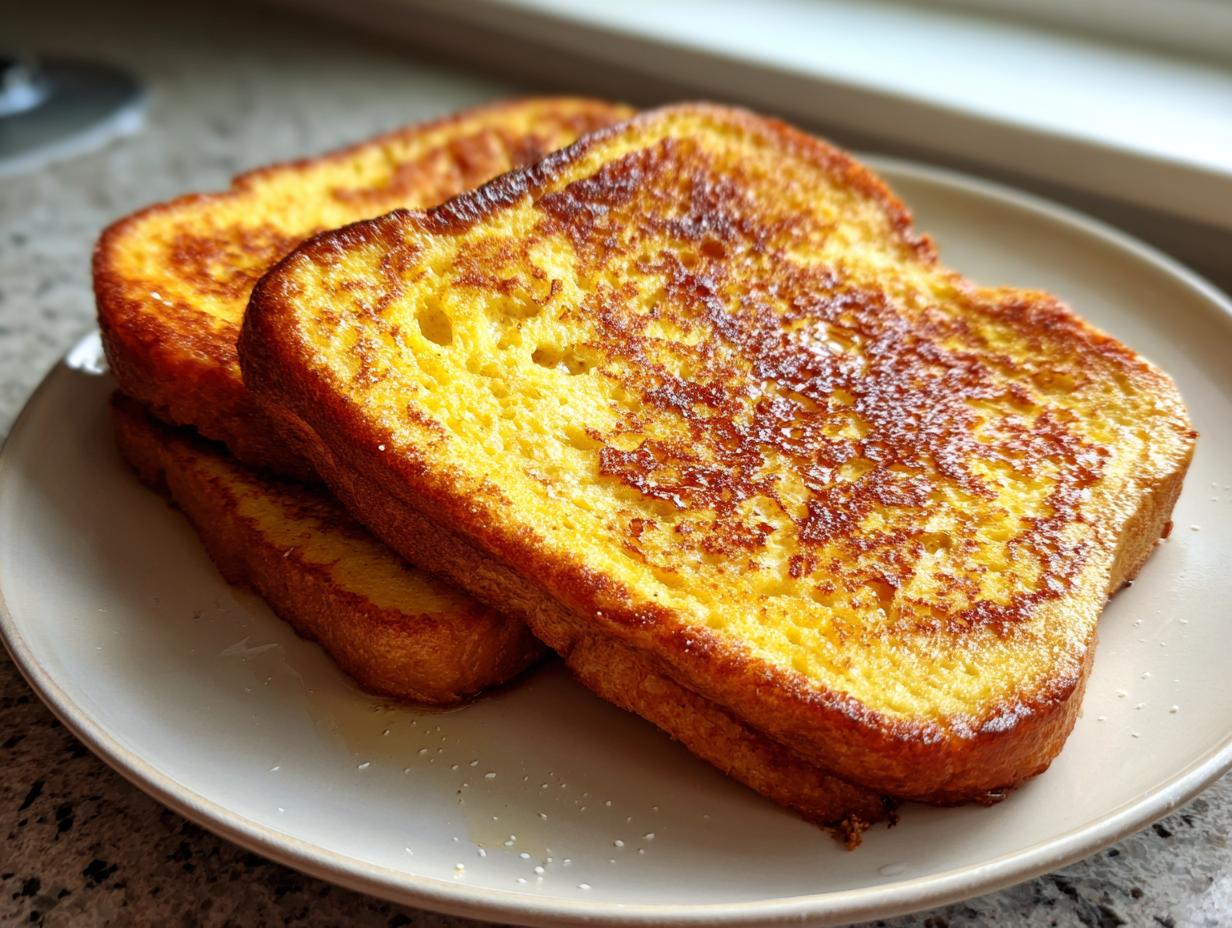
Hello there, and welcome! I’m Katie, and I’m so glad you found your way to my kitchen today. If you’re anything like me, you love the idea of a really comforting breakfast, but you usually don’t have a ton of time on your hands. Well, I’ve got fantastic news! Today, we are mastering the **easy french toast** that truly changes mornings. I promise you golden edges and that perfect, custardy center in less than 20 minutes total. Trust me; years spent in professional test kitchens, combined with my background in Food Science, means I’ve cracked the code on making this recipe completely foolproof for you at home.
- Why This Is Your Go-To Easy French Toast Recipe (The Perfect Texture)
- Ingredients for Classic French Toast Batter
- Step-by-Step Instructions for Easy French Toast
- Tips for the Best Homemade French Toast
- Variations on Your Easy French Toast
- Serving Suggestions for Your Easy French Toast
- Storage and Reheating for Quick French Toast Recipe
- Frequently Asked Questions About Making Easy French Toast
- Nutritional Snapshot for Your Easy French Toast
- Share Your Easy French Toast Creations
- Nutritional Snapshot for Your Easy French Toast
- Share Your Easy French Toast Creations
Why This Is Your Go-To Easy French Toast Recipe (The Perfect Texture)
I know you’re looking for an **easy french toast**, and I’m here to deliver one that actually works every single time. Honestly, my culinary background meant I spent way too long tweaking this simple recipe, but I finally nailed that heavenly texture—crisp on the outside, unbelievably soft and custardy french toast inside. That’s the magic! Most recipes rush the soak time, but that little bit of extra patience makes all the difference.
We aren’t messing around with complicated steps here; this is designed to be a fantastic Quick French Toast Recipe. The balance between the four eggs and the milk is what creates that smooth custard that penetrates perfectly. If you’re tired of dry, bread-like toast, this mix ratio is exactly what you need. Seriously, you can check out some other great takes on quick French toast when you’re done, like this one from Clara’s table, but I think you’ll stick with mine!
Quick Prep Time for Easy French Toast
This is perfect for when you need an Easy Morning Meal for the whole family. We’re talking five minutes of actual prep time before the pan even heats up! You can get the batter whipped up and start cooking almost instantly, making it an excellent choice if you’re trying to pull off a 15 Minute Breakfast before everyone rushes out the door.
Ingredients for Classic French Toast Batter
Okay, let’s talk about what you actually need. This recipe is fantastic because it uses simple things you probably already have! No strange grocery store runs necessary. For the best results, pay close attention to the bread—it really matters for texture. You’ll want about 8 slices of something sturdy, like thick-cut brioche or challah. Those softer, richer breads soak up the custard beautifully.
For the actual batter, we need 4 large eggs, 1/2 cup of whole milk (that’s key for richness against watery skim milk!), a teaspoon of vanilla extract for flavor, and 1/2 teaspoon of cinnamon. Oh, and barely a pinch of salt—that little bit balances out all the sweetness for you. It’s such a small ingredient list, yet it makes for the classic french toast batter you dream about. If you want to see a slightly different, creamy take on this, feel free to check out Meallora’s version, where they share their creamy cinnamon technique!
Step-by-Step Instructions for Easy French Toast
Alright, here is where the magic really happens, and why this recipe turns out so great! You’re aiming for that perfect balance: bread that’s saturated deep inside but holds its shape when you pick it up. Don’t worry if you’ve always been nervous about achieving a Fluffy French Toast Tutorial—we are walking through this slowly.
First, get your shallow dipping dish ready—a pie plate works great here! You need to make your Classic French Toast Batter. Pour in your eggs, milk, vanilla, cinnamon, and that tiny pinch of salt. Now, whisk it really well! I mean, really whisk it. You want zero streaks of just egg white or just yolk floating around. If it’s not uniform in color, your toast slices will brown unevenly. After you whisk it until it looks like smooth, pale yellow liquid heaven, you’re ready for the next part.
Next, get your skillet or griddle heating up over medium heat. This medium setting is crucial! If it’s too high, the outside burns almost instantly before the inside gets any of that lovely custard flavor. Once it’s hot, melt about two tablespoons of butter. Watch it carefully; you want it melted and foaming, not smoking. That foam tells you the heat is just right for that beautiful Golden Brown French Toast. For more tips on getting great results, you can always check out the reliable team over at Wholesome Cove for extra inspiration!
Now, the dip! Take one slice of bread and lay it right into that batter. Let it sit there for about 15 to 20 seconds on the first side. Then, quickly flip it and let the second side soak for another 15 to 20 seconds. This soaking time is the secret handshake for a perfect texture—it lets the liquid get in without dissolving the bread. You want it saturated, not soggy!
Carefully lift the soaked bread and place it right onto the hot, buttered skillet. You should hear a nice sizzle, but not an angry hiss! Cook it for about 3 to 4 minutes per side. You are looking for that deep, gorgeous, golden color we all crave. Once done, pull it off and keep those slices warm while you make the rest. If you want to see how Modern Honey gets their incredible texture, you can check out their technique for comparison. Keep that pan at medium heat and refresh the butter between batches!
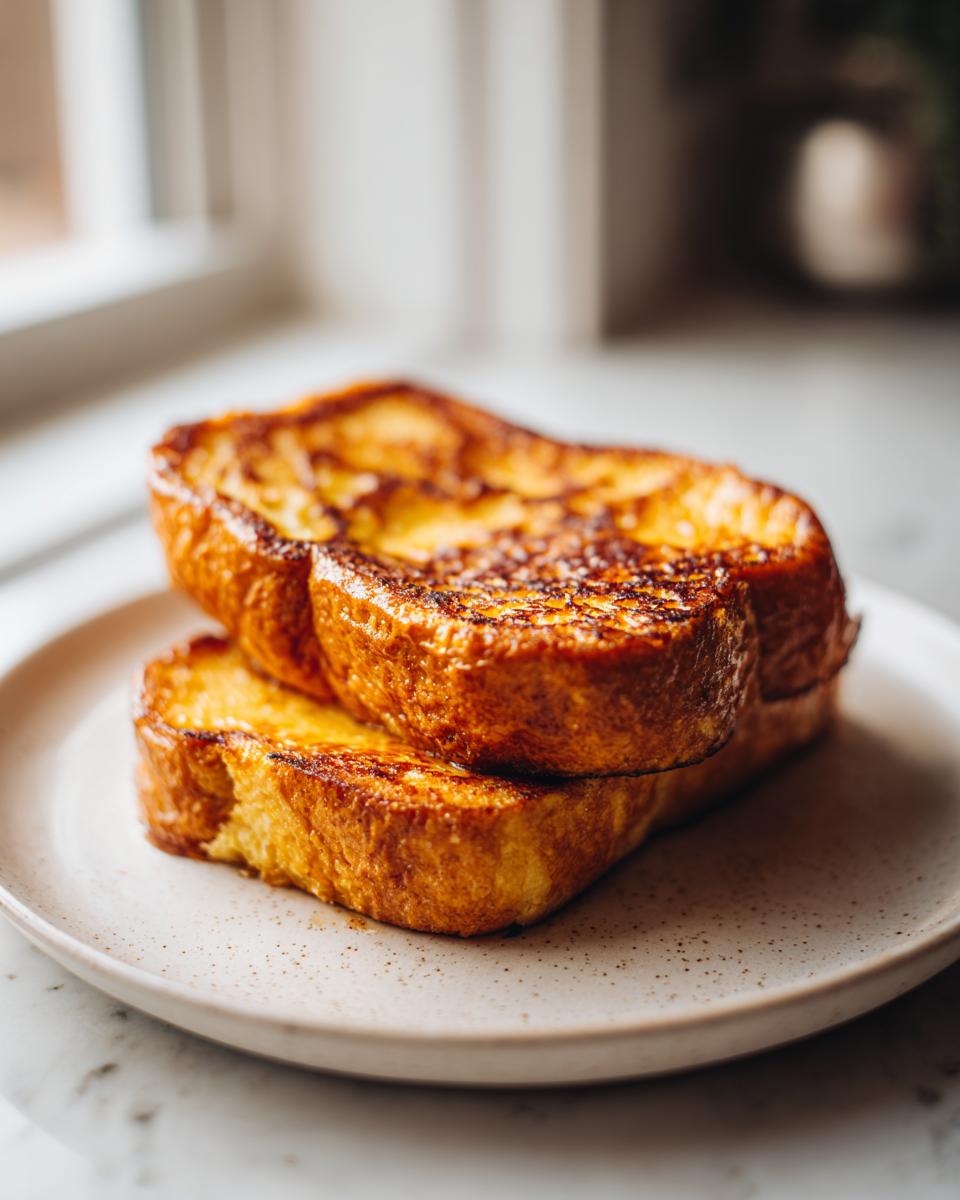
Mixing the Custardy French Toast Soak
Honestly, the best part of making this Custardy French Toast is just whisking that soak! Think of it like making scrambled eggs, but thinner. You’re incorporating air and emulsifying the fats and liquids. Make sure those yolks and whites are completely blended—that’s how you get that rich, even flavor across the entire slice. Don’t forget that little dash of salt though! It might seem weird in a sweet breakfast, but it really cuts through the richness so it doesn’t taste overly heavy.
Cooking for Golden Brown French Toast
I cannot emphasize this enough: control your heat! People always burn French toast because they crank the stove to medium-high, thinking they’ll cook faster. Nope! You end up with charcoal on the outside and cold, runny egg mixture trapped inside. Medium heat allows the heat to gently penetrate the thick bread so the center cooks through while the outside achieves that perfect, rich, Golden Brown French Toast look. Always use real butter in the pan for that nutty flavor; margarine just doesn’t have the same melt or taste.
Tips for the Best Homemade French Toast
Even with a simple recipe like this, you can always elevate your results with a few insider tricks! Since I love digging into the science of cooking, I’ve found that the ‘why’ behind these little tweaks makes the difference between good French toast and truly stunning Fluffy French Toast Tutorial results.
First off, don’t throw away that bread that’s been sitting on the counter for a day or two! I know, I know, we usually talk about throwing out stale food, but for this recipe, slightly day-old bread is your best friend. It’s sturdy enough to soak up all that beautiful custard you made without immediately turning into mush. If you use super fresh, soft bread, it tends to just collapse on the griddle. If your bread really is fresh, just let the slices sit out for about an hour before starting.
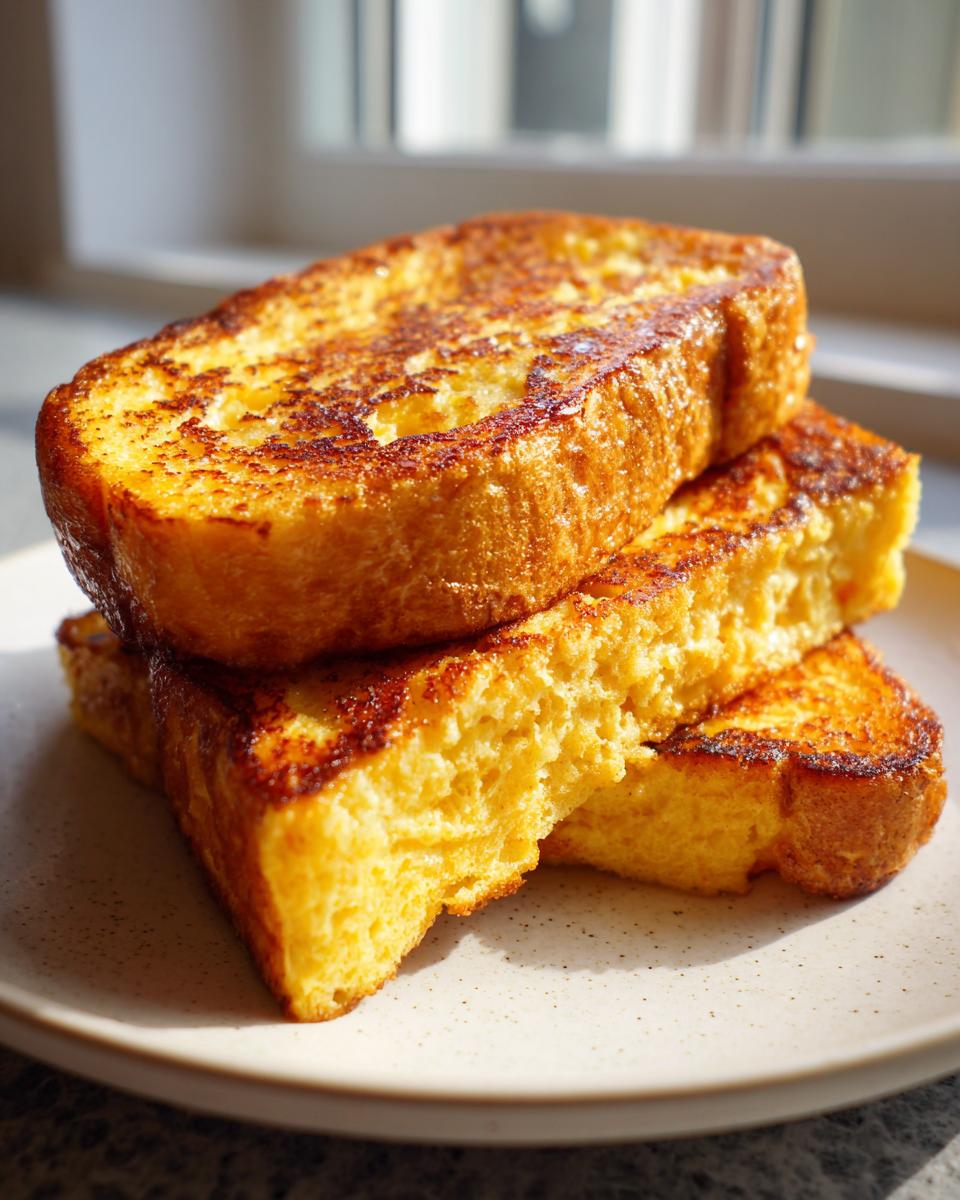
Another great tip I learned developing recipes for magazines: if you want that truly luxurious, almost dessert-like quality—that deeply custardy french toast center—swap out half the milk for heavy cream. It boosts the fat content just enough to give you an incredibly rich mouthfeel without changing the cooking time at all. And remember, just like one of my baking mentors often pointed out, even the best techniques rely on quality ingredients at the start!
Bread Selection for Easy French Toast
We touched on this a bit, but let’s really talk bread types. Standard, thin sandwich bread just can’t handle the amount of liquid needed for a custardy center without disintegrating. You really need thickness, folks! I highly recommend brioche because it’s already rich with butter and eggs, giving the final product amazing flavor.
Challah is another fantastic, sturdy choice. If you can’t find those, look for Texas Toast—it’s extra thick and works surprisingly well. The crucial thing is that slice needs to be at least an inch thick. That space allows the interior to fully absorb the cinnamon-vanilla milk mixture before the outside starts browning on the stove. Remember, with this easy french toast, thickness equals fluffiness!
Variations on Your Easy French Toast
This recipe is so foundational, it works perfectly as a quick base for all sorts of fun twists, especially when you’re making it for a relaxing Weekend Brunch Recipe! You don’t need complicated additions to make it feel special; sometimes a tiny flavor shift makes all the difference in the world.
My favorite little trick, especially when I have zero time to go shopping, is adding a tiny pinch of freshly grated nutmeg into that egg and milk soak. Nutmeg whispers warmth and depth, complementing the cinnamon beautifully. It’s subtle, but it takes the flavor profile up a notch! If you happen to have some fresh oranges lying around, try grating just a tiny bit of zest right into the batter too. That little bit of citrus brightens everything up wonderfully.
For toppings, instead of always reaching for the maple syrup bottle, try keeping it super simple and elegant. A straightforward dusting of powdered sugar looks gorgeous and lets the flavor of the actual toast shine through. If you want a little extra sweetness without the heavy syrup, you could dust the top and then lightly drizzle with honey—I saw a quick honey trick on TikTok that works surprisingly well, actually, and it’s perfect for this classic base!
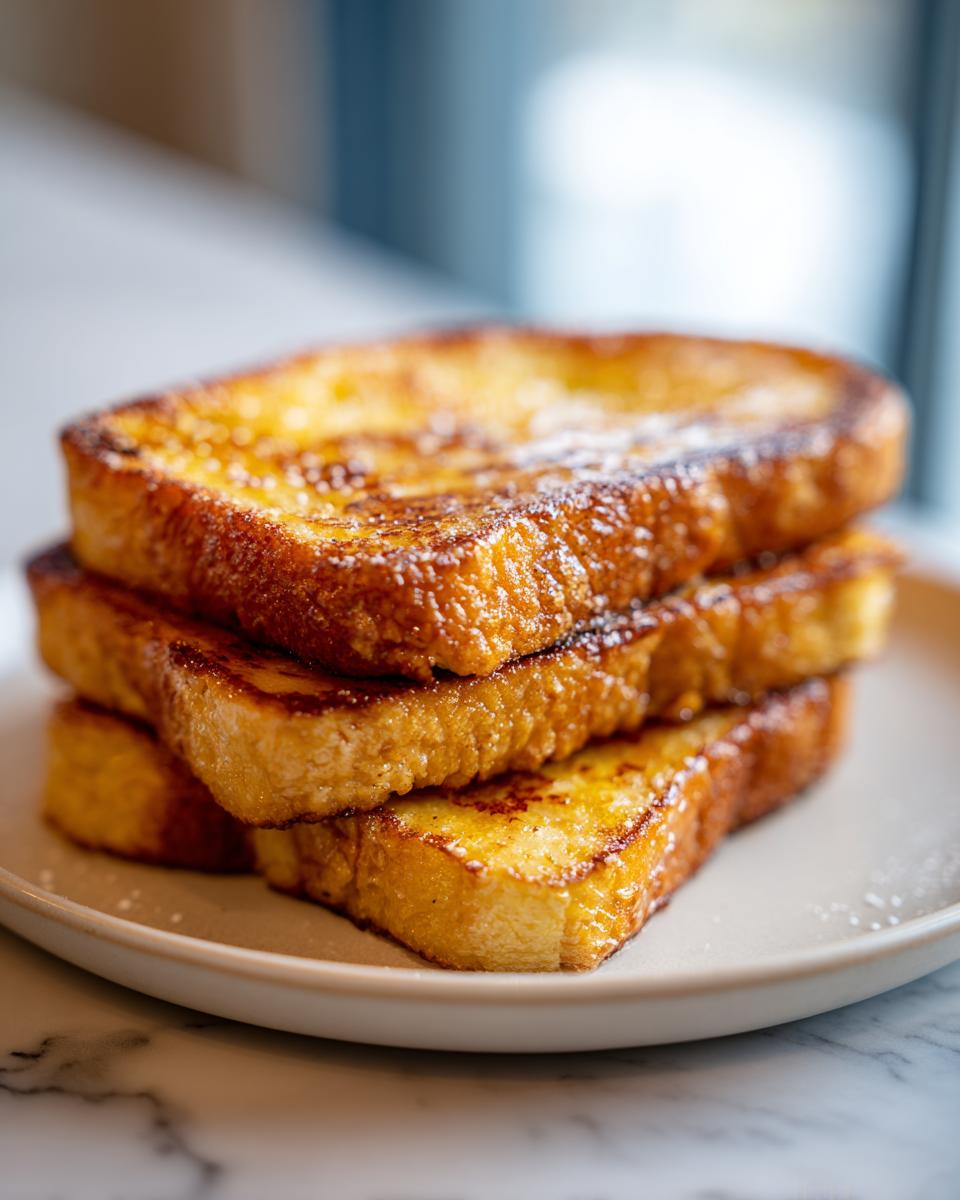
Another fun variation to keep in mind is using flavored extracts if you have them. Vanilla is a must, but if you happen to stock almond extract? Use just a drop or two alongside the vanilla. Almond and cinnamon are best friends, and it adds this warm, slightly sophisticated note, making your easy french toast taste like it came from an upscale cafe!
Serving Suggestions for Your Easy French Toast
Once you pull those perfectly golden slices off the griddle, the fun part is piling on the toppings! Since this is such a reliable, Family Friendly Breakfast, my goal is always to make sure everyone gets exactly what they want. The best part about this recipe is that the toast itself is so flavorful—thanks to that cinnamon and hint of vanilla—that you really don’t need to drown it in syrup.
Of course, real maple syrup is a classic, but I always keep a bowl of fresh berries on the side. Blueberries, raspberries, sliced strawberries—anything bright and slightly tart cuts through the richness of the egg and butter beautifully. If you want to double down on the warm spice flavor, you can take my advice from the previous section and sprinkle a little extra ground cinnamon directly over the warm toast before setting out the syrup.
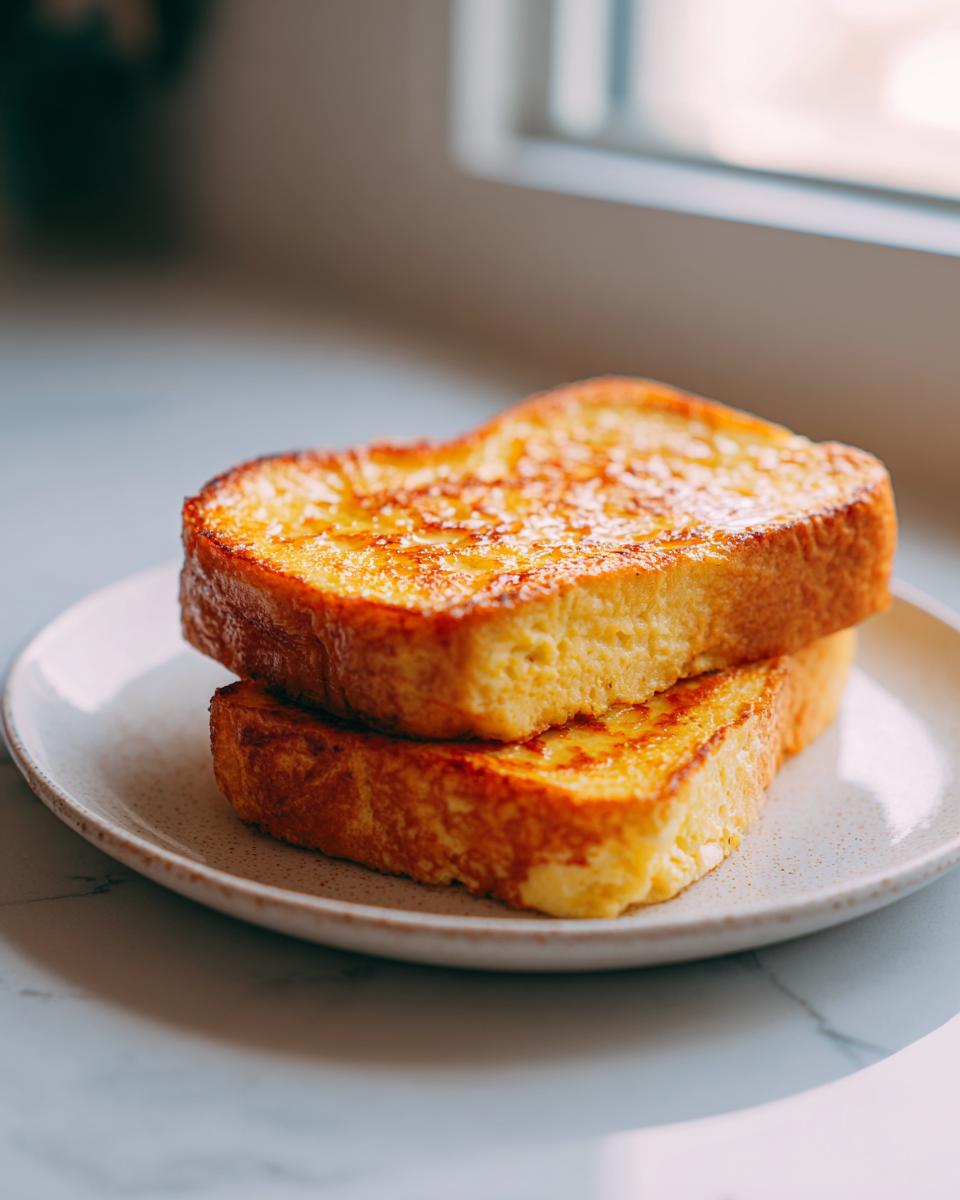
For those weekends when you want something a little more substantial alongside your breakfast, you can’t go wrong with savory sides. Crispy bacon or link sausage are always winners here. Honestly, having that salty crunch next to the soft, warm toast is just perfection. If you’re looking for a wonderful guide on how to get perfect, crispy bacon every time, check out the tips over at Dinner Recipes guide for brioche French toast; they often pair it with great sides!
And if you have the time and want to make it look extra special for brunch without adding any extra steps, just a simple shower of confectioners’ sugar does the trick. It settles beautifully on the ridges of the toast and makes everyone think you slaved away for hours. You can even dust the plate first before placing the toast down. For more creative ways to serve, Chef Zara has some amazing plating ideas over at her site that complement this classic base perfectly.
Storage and Reheating for Quick French Toast Recipe
I know you are busy, so maybe you didn’t manage to eat all eight slices (if that happens, don’t worry, I always consider that a win!). Luckily, this Quick French Toast Recipe holds up to leftovers beautifully, which is great news when you need a super fast grab-and-go breakfast later in the week. You can absolutely store leftovers!
If you have extras, just let them cool completely on a wire rack first. Don’t stack them while they are warm, or you’ll steam them, and we definitely don’t want soggy French toast! Once they are totally cool, move them into an airtight container or a zip-top bag. They keep just fine in the refrigerator for about three to four days. That’s perfect for grabbing one or two slices on a busy Tuesday morning.
Now, for the reheating part—this truly matters. Please, I beg you, skip the microwave! Microwaving French toast will turn it into sad, rubbery bread, no matter how good the original soak was. We want to bring back that beautiful golden exterior we worked so hard for.
My favorite method is using a toaster oven or a regular oven set to about 350°F (175°C). Lined up in a single layer on a baking sheet, they only take about 5 to 7 minutes to heat through and crisp up again just right. If you’re desperate for speed, you can use a clean, dry skillet—no added butter this time—set to medium-low heat. Flip them once or twice until they feel warm all the way through. If you’re looking for other great quick ideas to maximize your morning time, Break the Spice Recipes has some wonderful tips for fast weeknight meals too!
The key takeaway here is: cool completely before storing, and reheat gently with dry heat to preserve that wonderful texture we achieved in the first place.
Frequently Asked Questions About Making Easy French Toast
Whenever I share this recipe, I always get a few questions about bread choices or timings. It’s totally normal! Even though this is an easy french toast recipe, a little bit of know-how goes a long way toward making it perfect. Here are the most common things folks ask me about getting that ideal texture.
What is the best bread for this recipe?
Oh, this is my favorite question! You absolutely cannot use regular, super thin white bread if you want that amazing, custardy french toast center. The best bread is thick-cut and slightly stale! I always recommend thick brioche or challah because their structure holds up perfectly when soaking in the egg mixture. If your bread is fresh, just leave the slices out on the counter for about an hour—it allows the surface to dry out just enough so it crisps up nicely when it hits the hot pan.
Can I make this ahead of time?
You sure can, and it makes for a great Simple Breakfast Idea! You can prepare the full batter and store it in the fridge for up to 24 hours. For a true make-ahead option, you can pre-soak your bread slices and store them layered between parchment paper in the fridge overnight. When you wake up, just cook them straight from the fridge, adding about an extra minute to the cooking time per side so the center warms up properly.
How do I prevent my French toast from getting soggy?
Sogginess is the enemy! It all comes down to two things: bread choice (see above!) and soaking time. You need to be swift. Don’t let the bread sit in the batter for more than 20 seconds per side. You want it saturated, not swimming! Also, make sure your skillet is hot enough—a cold pan will just soak oil into the bread rather than searing it into that beautiful golden crust. If you want more great tips on ensuring great results, check out this guide from All Mom Recipes, they have some wonderful insights on family morning meals.
Can I use non-dairy milk?
Yes, you absolutely can swap out the whole milk! This is a very forgiving recipe. If you need a non-dairy option, I suggest using oat milk or soy milk. They tend to have a bit more body and fat content than almond milk, which helps mimic the richness of whole milk in the custard. Just skip the recipe note about using heavy cream if you decide on non-dairy milk, as that might make the soak too thick.
Troubleshooting Common Issues with French Toast
The number one issue people have is burning the outside while the inside stays runny. This is almost always a heat management problem. If your toast is burning immediately, your stovetop is way too high! Turn it down to a solid medium—honestly, medium heat is your sweet spot for that Golden Brown French Toast exterior and a cooked, fluffy interior. If you find it’s just not cooking through, try cutting the slices in half before cooking; smaller pieces transfer heat much more easily without over-browning the edges.
Another problem sometimes is that the cinnamon sinks to the bottom of the batter. That’s why I stress whisking until it’s uniform! If you skip the whisking step, all your cinnamon will clump onto the bottom slice you dip last, leaving the first slices looking pale. Be thorough when mixing that Classic French Toast Batter!
Nutritional Snapshot for Your Easy French Toast
I always get asked about the hard facts, even though for me, knowing it tastes amazing is the most important metric! Below you’ll find the estimated nutritional breakdown for two slices of this easy french toast, based on the precise measurements in the recipe card above. This estimation uses standard whole milk and assumes moderate syrup use when calculating.
Keep in mind that these numbers are just an estimate, and they will definitely change based on the type of bread you choose—brioche will bump up the fat and calories a bit compared to something leaner. Also, how much butter you use when cooking makes a difference! For the most accurate count for your specific breakfast, you’ll want to plug your exact ingredients into your favorite tracking app.
- Serving Size: 2 slices
- Calories: 280
- Sugar: 8g
- Protein: 14g
- Fat: 12g
- Carbohydrates: 30g
Overall, it’s a decent protein kick to start your day, especially when paired with a side of fruit! For a deeper dive into ingredient impacts, lots of folks find the breakdown on Matt’s kitchen site helpful; you can see his numbers here: https://inthekitchenwithmatt.com/easy-french-toast.
Share Your Easy French Toast Creations
I really hope this recipe makes your next morning special, whether it’s a chaotic Tuesday or a lazy Sunday! Now that you know the secrets to getting that perfectly custardy, fluffy texture every time, please come back and let me know how it went. I truly love reading your feedback!
If you made a batch, would you mind taking a second to give this recipe 5 stars right below the instructions? It helps other home cooks find reliable recipes, which is what this whole blog is all about. I also want to know—what are YOUR go-to toppings?
Don’t forget to snap a picture! Tag me on social media so I can see your beautifully golden, non-soggy creations!
If you’re planning a big brunch and need more inspiration for that weekend spread, check out this spot-on classic French toast guide from Afripaket for even more ideas on presentation: https://afripaket.com/classic-french-toast-recipe. See you next time for more delicious home cooking!
Nutritional Snapshot for Your Easy French Toast
I always get asked about the hard facts, even though for me, knowing it tastes amazing is the most important metric! Below you’ll find the estimated nutritional breakdown for two slices of this easy french toast, based on the precise measurements in the recipe card above. This estimation uses standard whole milk and assumes moderate syrup use when calculating.
Keep in mind that these numbers are just an estimate, and they will definitely change based on the type of bread you choose—brioche will bump up the fat and calories a bit compared to something leaner. Also, how much butter you use when cooking makes a difference! For the most accurate count for your specific breakfast, you’ll want to plug your exact ingredients into your favorite tracking app.
- Serving Size: 2 slices
- Calories: 280
- Sugar: 8g
- Protein: 14g
- Fat: 12g
- Carbohydrates: 30g
Overall, it’s a decent protein kick to start your day, especially when paired with a side of fruit! For a deeper dive into ingredient impacts, lots of folks find the breakdown on Matt’s kitchen site helpful; you can see his numbers here: https://inthekitchenwithmatt.com/easy-french-toast.
Share Your Easy French Toast Creations
I really hope this recipe makes your next morning special, whether it’s a chaotic Tuesday or a lazy Sunday! Now that you know the secrets to getting that perfectly custardy, fluffy texture every time, please come back and let me know how it went. I truly love reading your feedback!
If you made a batch, would you mind taking a second to give this recipe 5 stars right below the instructions? It helps other home cooks find reliable recipes, which is what this whole blog is all about. I also want to know—what are YOUR go-to toppings?
Don’t forget to snap a picture! Tag me on social media so I can see your beautifully golden, non-soggy creations!
If you’re planning a big brunch and need more inspiration for that weekend spread, check out this spot-on classic French toast guide from Afripaket for even more ideas on presentation: https://afripaket.com/classic-french-toast-recipe. See you next time for more delicious home cooking!
PrintUltimate Quick & Easy French Toast: Perfect Fluffy Texture Every Time

This recipe delivers classic, custardy French toast with golden edges quickly. It uses simple ingredients for a reliable, delicious breakfast or brunch.
- Prep Time: 5 min
- Cook Time: 15 min
- Total Time: 20 min
- Yield: 4 servings 1x
- Category: Breakfast
- Method: Stovetop
- Cuisine: American
- Diet: Vegetarian
Ingredients
- 8 slices thick bread (like brioche or challah)
- 4 large eggs
- 1/2 cup whole milk
- 1 teaspoon vanilla extract
- 1/2 teaspoon ground cinnamon
- Pinch of salt
- 2 tablespoons butter, for cooking
Instructions
- In a shallow dish, whisk together the eggs, milk, vanilla extract, cinnamon, and salt until fully combined. This creates your classic French toast batter.
- Heat a large skillet or griddle over medium heat. Add half of the butter and let it melt until it foams slightly.
- Dip one slice of bread into the egg mixture, allowing it to soak for about 15 to 20 seconds per side. You want the bread saturated but not falling apart.
- Place the soaked bread onto the hot, buttered skillet. Cook for 3 to 4 minutes per side, until the French toast is golden brown and cooked through.
- Remove the cooked slices and keep them warm while you repeat the process with the remaining batter and butter.
- Serve your fluffy French toast immediately with your preferred toppings.
Notes
- Use slightly stale bread; it absorbs the custard better without becoming soggy.
- For richer flavor, substitute half the milk with heavy cream for a more custardy French toast center.
- If your bread is very thin, reduce the soaking time to 10 seconds per side.
Nutrition
- Serving Size: 2 slices
- Calories: 280
- Sugar: 8
- Sodium: 350
- Fat: 12
- Saturated Fat: 6
- Unsaturated Fat: 6
- Trans Fat: 0.1
- Carbohydrates: 30
- Fiber: 1
- Protein: 14
- Cholesterol: 180