

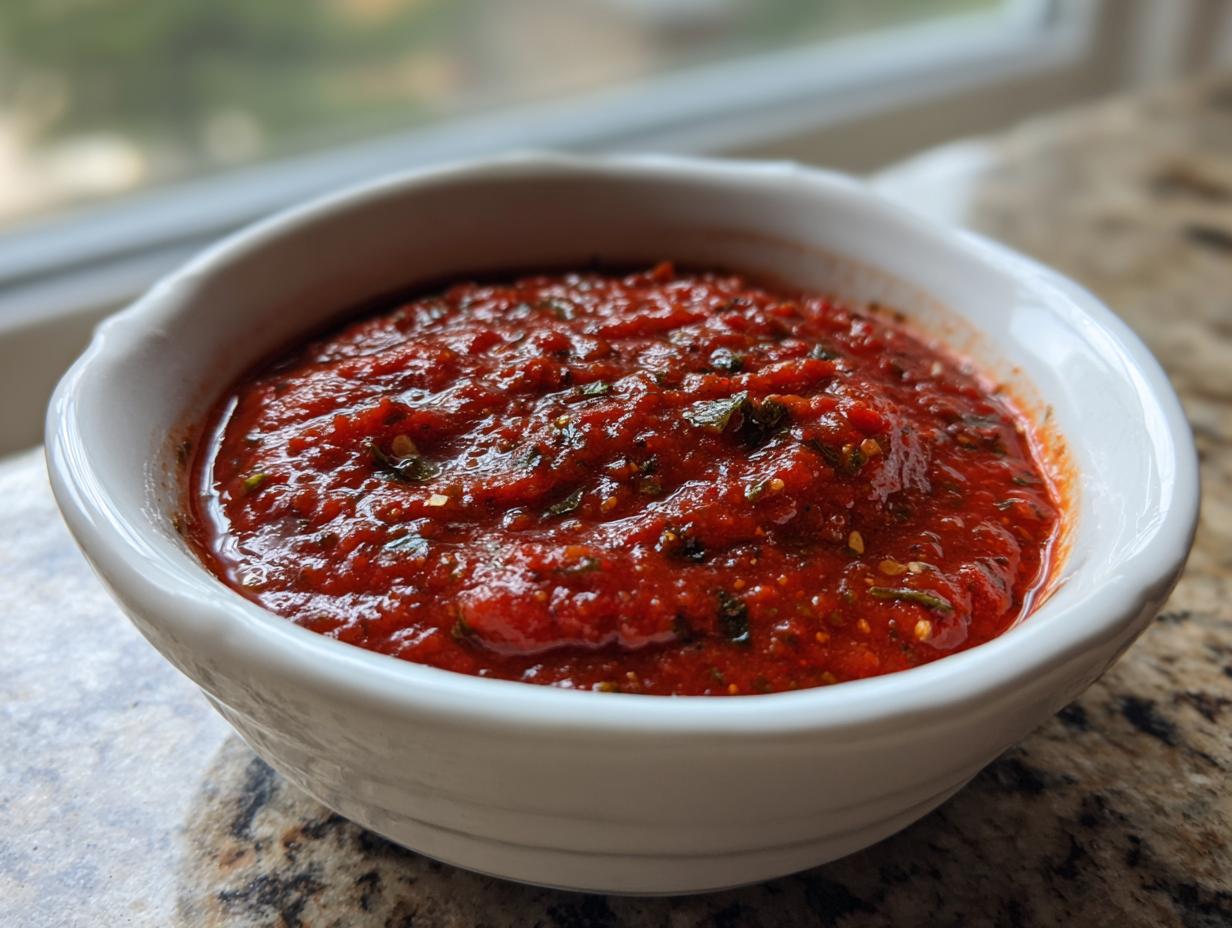
Listen, I know we all have those nights where takeout feels like the only option. But I’m here to tell you that you absolutely do not need to buy that jarred stuff ever again! When I first started my recipe development career, I spent years dialing in the exact chemistry needed for perfect tomato flavor, and guess what? The magic often happens with zero cooking time. This Best No-Cook Homemade Pizza Sauce is vibrant, unbelievably fresh-tasting, and uses simple pantry staples to nail that authentic Italian flavor. My background in food science means I know precisely why this simple approach works so well to create the best pizza sauce you’ve ever spread on dough.
- Why This No-Cook Pizza Sauce Recipe is Your New Staple
- Ingredients for the Best Pizza Sauce
- How to Make Authentic Pizza Sauce From Scratch
- Tips for Success with Your Homemade Pizza Sauce Recipe
- Storage and Reheating Instructions for Your Quick Pizza Sauce
- Variations on This Classic Pizza Sauce
- Serving Suggestions for Your Homemade Pizza Sauce Recipe
- Frequently Asked Questions About Our Pizza Sauce
- Nutritional Data for This Simple Pizza Sauce
- Share Your Homemade Pizza Sauce Creations
Why This No-Cook Pizza Sauce Recipe is Your New Staple
Seriously, ditch the store-bought stuff next time your pizza craving hits. This Easy Pizza Sauce recipe is my absolute ace in the hole for hectic weeknights because it’s ready faster than you can decide on a movie. We are talking zero stove time here—it’s truly a no-cook masterpiece! Using quality tomatoes means we capture that bright, authentic Italian zest that usually takes hours to develop in a simmered sauce. That’s why I call this my go-to Pantry Staple Pizza Sauce; you just dump, blend, and go! It tastes like you spent all afternoon prepping, but nope—it’s pure speed and flavor magic. You can even check out this recipe if you want a slightly thicker version!
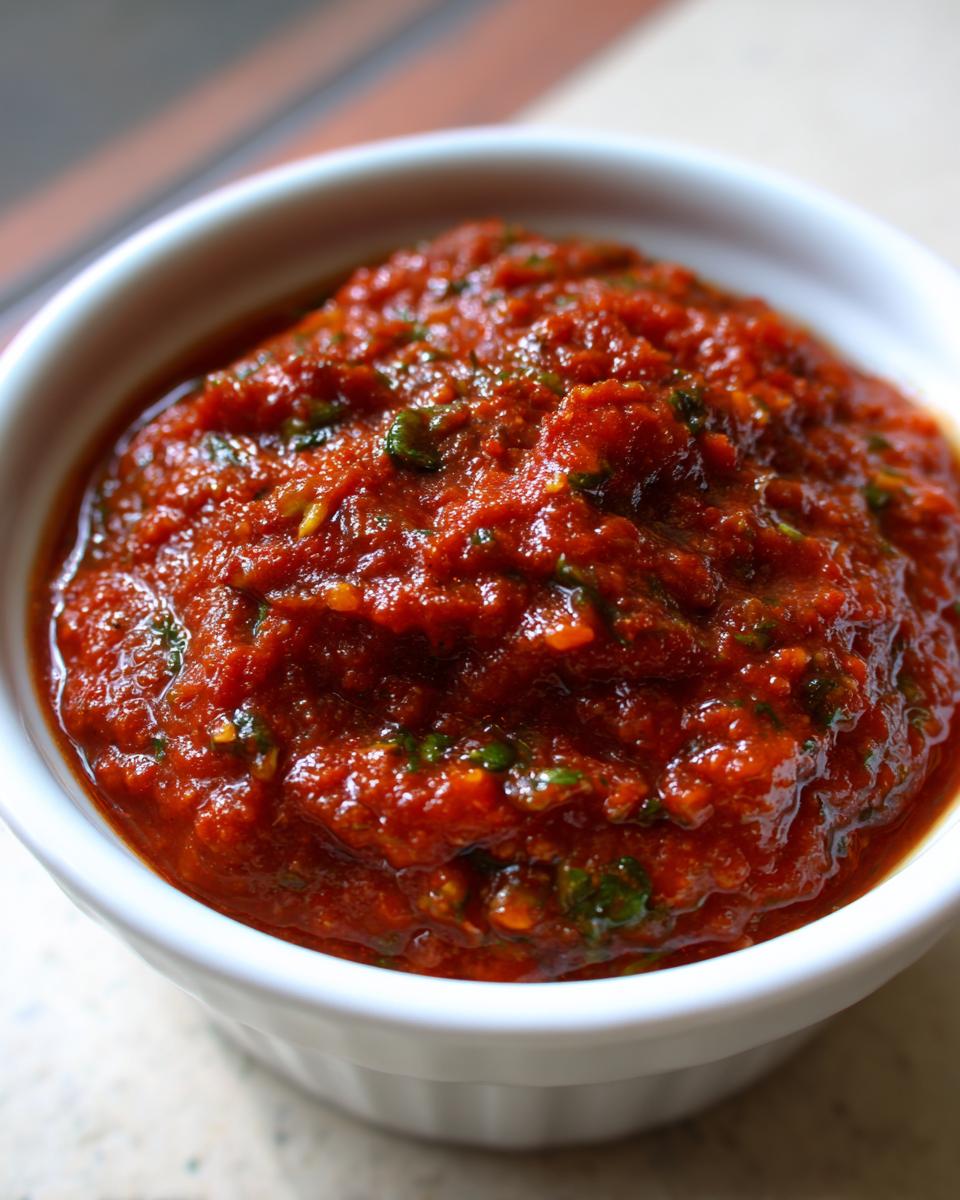
Quick Pizza Sauce Prep Time Breakdown
- Prep Time: 5 min
- Cook Time: 0 min
- Total Time: 5 min
Ingredients for the Best Pizza Sauce
When you aren’t cooking the sauce, the quality of your starting materials becomes ridiculously important. Think of it this way: if you’re skipping the slow simmer, you have to make sure every ingredient is already bringing its A-game. For me, this boils down to one non-negotiable item, which is why I’m strict about packaging here.
- 1 (28 ounce) can whole peeled San Marzano tomatoes, undrained
- 2 cloves garlic, minced very fine
- 1 teaspoon dried oregano
- 1/2 teaspoon dried basil
- 1/4 teaspoon salt
- 1/4 teaspoon black pepper
- 1 tablespoon extra virgin olive oil
Ingredient Notes and Substitutions for Your Pizza Sauce
The tomatoes are the core flavor here, my friends. You simply must seek out San Marzano tomatoes if you can find them. Why? Because they are naturally sweeter and much less acidic than standard canned tomatoes. That’s the secret to getting that bright, fresh-tasting result without having to add tons of sugar to balance the bite. If you can’t find whole peeled San Marzanos, go for the same brand in a crushed or puréed format, but know you might need a little more olive oil to mimic the richness of the whole fruit.
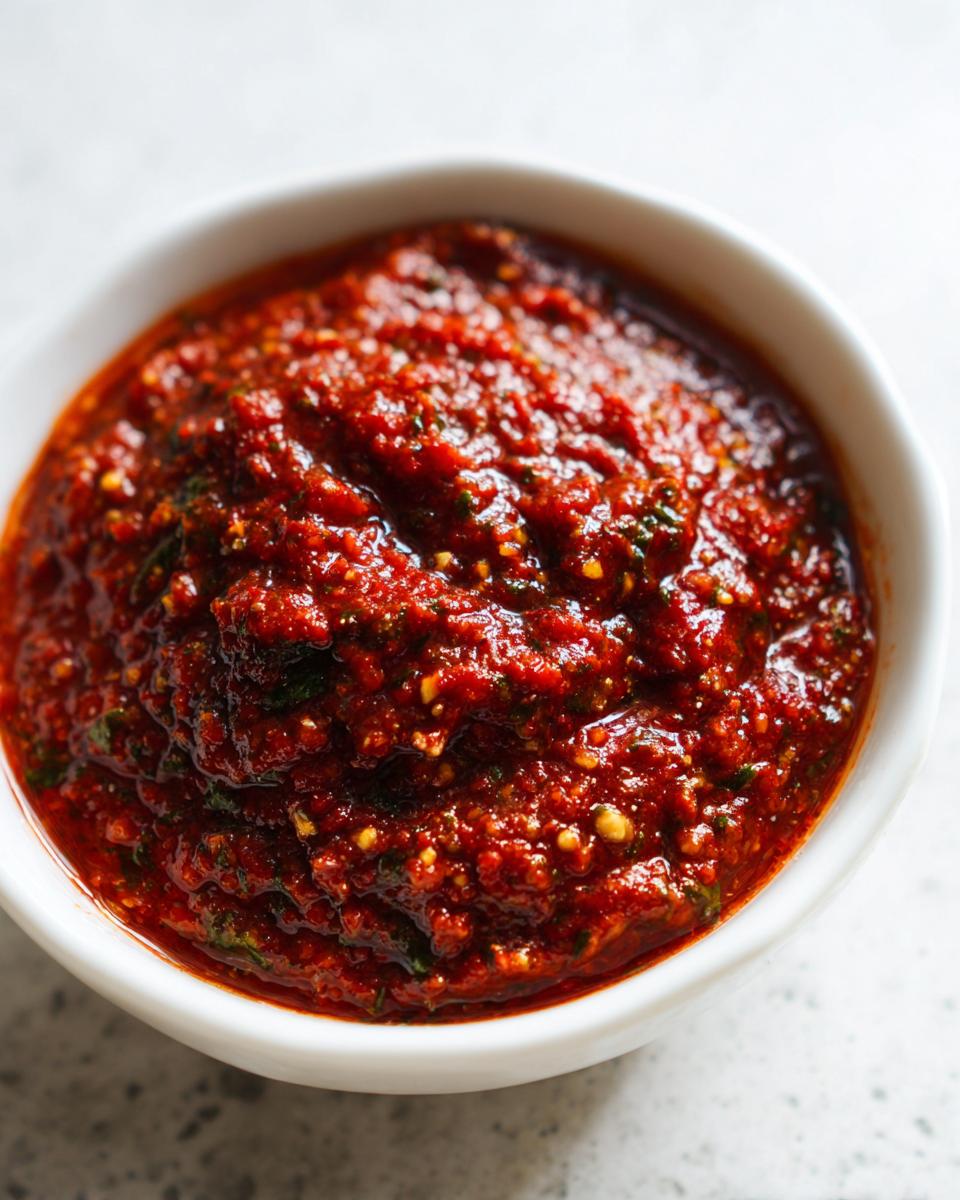
If you’re worried about getting a Thick Pizza Sauce, especially if your canned tomatoes look a bit watery when you dump them in—don’t panic! Just use a spoon to scoop out some of that extra juice into a separate measuring cup *before* you start mashing. Save that juice for another use, like thinning out soup later. You want the tomatoes themselves to form the bulk of the mixture, not excess water.
How to Make Authentic Pizza Sauce From Scratch
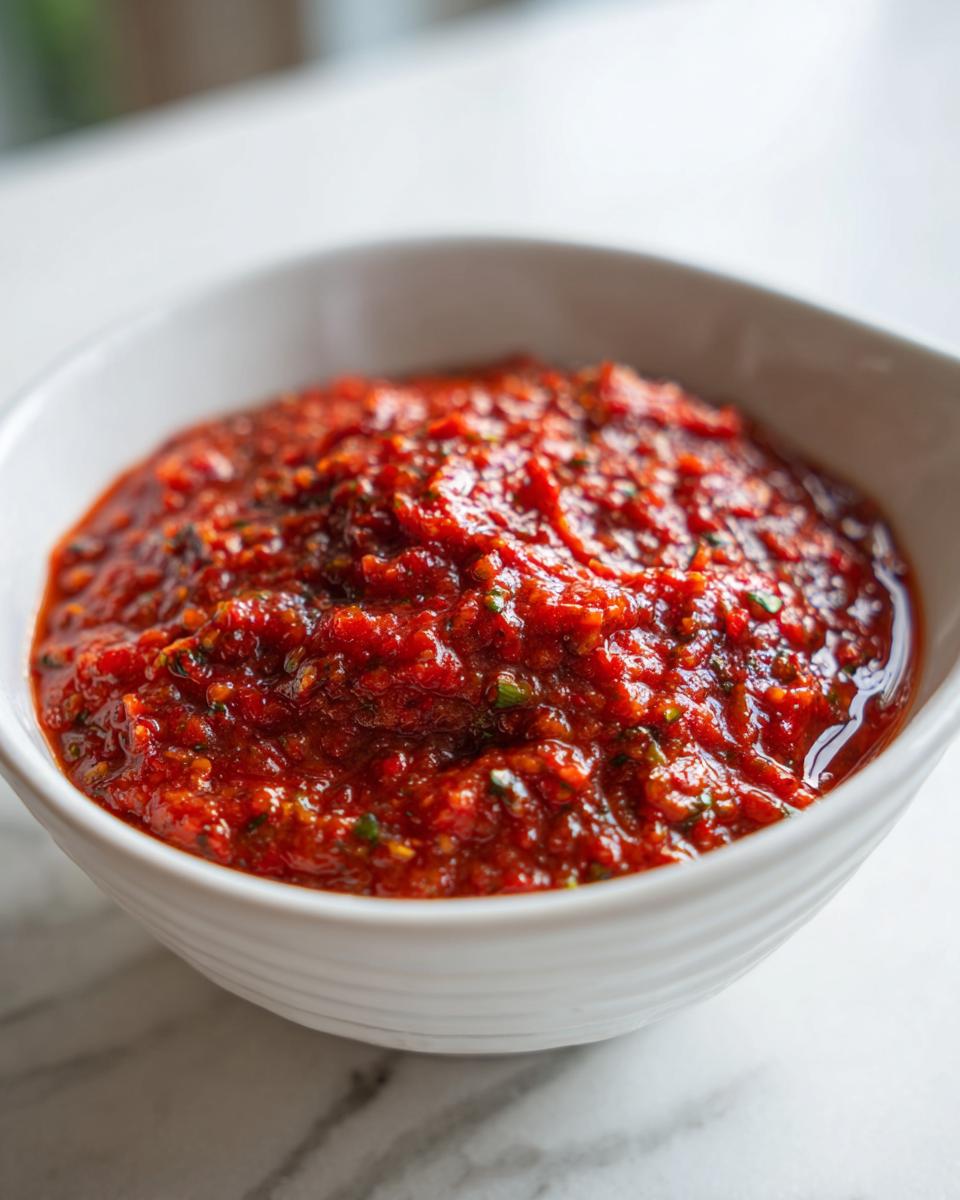
Okay, let’s get into the actual making of this incredible pizza sauce. Since we aren’t cooking it, our method is all about achieving the right texture quickly so it spreads perfectly onto your dough without making it soggy. Everything goes into one big bowl! First, pour in the entire can of whole peeled San Marzano tomatoes, juice and all. Next, we add the flavor powerhouses: that finely minced garlic, the dried oregano and basil, salt, pepper, and that glossy drizzle of extra virgin olive oil. Don’t be shy with the oil; it carries flavor beautifully.
Now comes the magic part where we transform whole tomatoes into a ready-to-use Simple Tomato Sauce for Pizza. You have two great options here, depending on what you have lurking in your drawers. I have found that the key to success for making this Homemade Pizza Sauce Recipe is controlling the texture right now.
Achieving the Right Consistency for Your Simple Tomato Sauce for Pizza
If you’re going for maximum speed and smoothness, grab an immersion blender. Give it a few short pulses—maybe five or six—until the texture looks right for you. If you blend too long, you’ll end up with a liquidy mess, which we definitely want to avoid when building a great pizza!
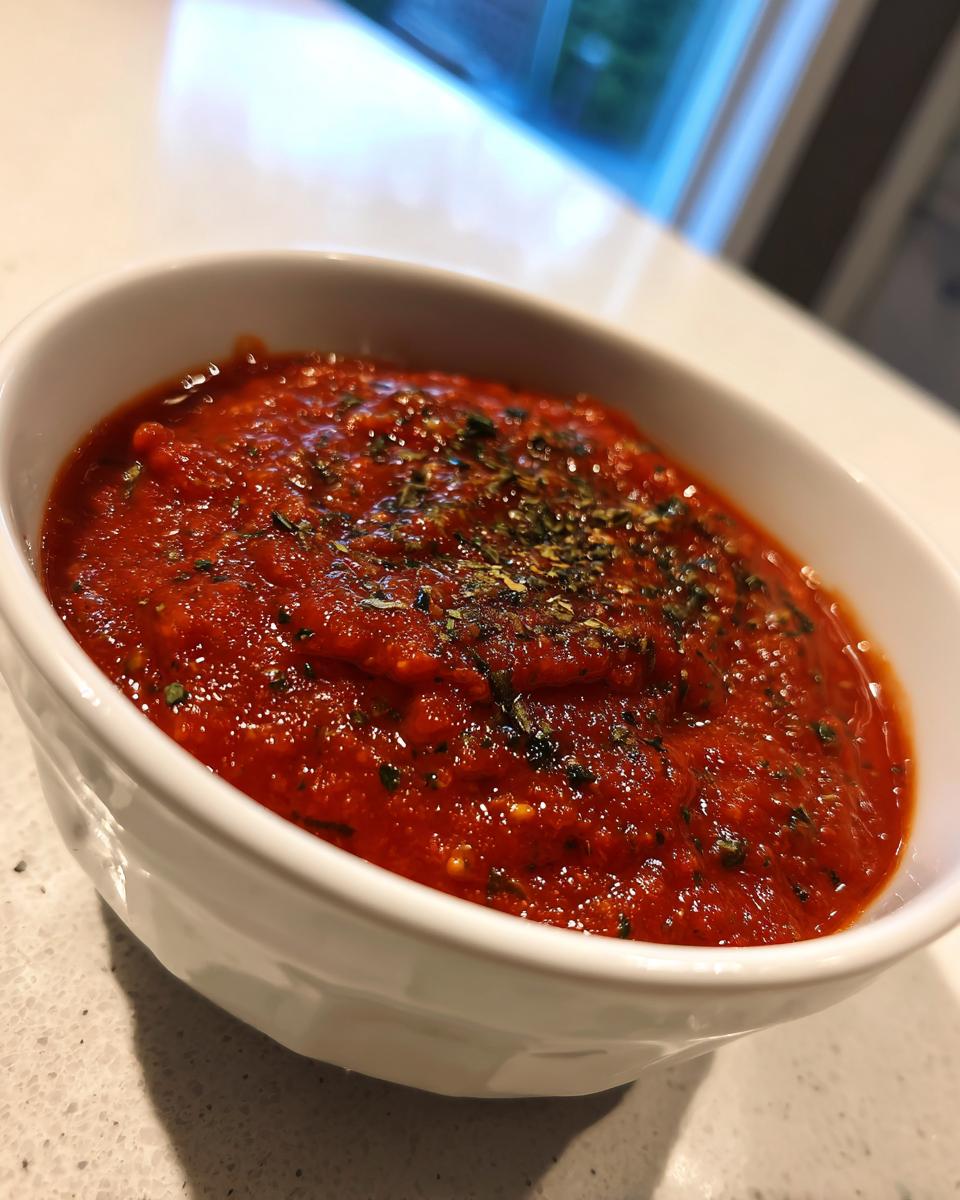
On the other hand, if you prefer a bit of rustic chunkiness, just use a sturdy potato masher. Mash with purpose! This gives you more control over the final product. My big tip here? If you want the absolute best texture for spreading easily onto thin crust pizza dough—without any pooling later—aim for something that looks slightly thicker than what you think you need. It will spread beautifully, and the fresh tomato flavor will really shine through. Then, always taste it right before using! Tap here for more quick ideas, or learn how the pros do it with authentic guidance at this resource.
Tips for Success with Your Homemade Pizza Sauce Recipe
Even though this is a no-cook recipe, there are still science-backed ways you can guarantee that perfect flavor profile, especially since we aren’t simmering away any harshness. When I was testing this recipe in the lab way back when, I made a major rookie mistake: I seasoned it perfectly, added the dough, and baked it. Big fail! The flavor was flat.
Here’s what I learned: when you bake pizza, the heat dramatically changes the perception of acidity and saltiness in the sauce. What tastes perfectly seasoned raw will suddenly taste bland once it hits that 500-degree oven. So, my pro tip is to season this Quick Pizza Sauce slightly *more* aggressively than you think you need to before spreading it on the dough. Don’t just stop at the base salt and pepper measurement; taste it, and then add a tiny pinch more salt or even a drop more olive oil.
Also, remember that the olive oil is doing some heavy lifting here, carrying all those lovely dried herb aromas since we skipped the heat activation. You might find that if you’re using a super oily, high-quality oil, you can get away with less salt, actually! It’s all about that balance.
If you’re looking for another incredible, easy weeknight option, definitely check out this other great Easy Homemade Pizza Sauce Recipe for inspiration on maximizing flavor when time is short.
Trust me on the extra seasoning adjustment. I learned the hard way that you must season for the heat! Doing this one little tweak keeps this Homemade Pizza Sauce Recipe tasting bright, zesty, and deeply flavorful, exactly like the best Italian recipes should.
Storage and Reheating Instructions for Your Quick Pizza Sauce
The best part about making this amazing pizza sauce yourself? You can make a huge batch when you have five minutes free and use it for several pizza nights later! Since we aren’t cooking it, we need to be a little careful about how we store it to keep that fresh, vibrant tomato taste intact.
For refrigerated storage, transfer the finished sauce into an airtight container. I prefer using glass jars because they seal really well. You can store this Quick Pizza Sauce happily in the fridge for up to one week. Just give it a good stir and taste it before spreading it on your dough—sometimes the herbs settle to the bottom, so you want to mix that flavor back in!
If you’re not planning on making pizza again within a week, freezing is your best friend. Freezing is fantastic because it locks in that fresh flavor profile perfectly. My favorite method is using a standard ice cube tray. Pour the sauce into the tray wells—this gives you perfectly portioned amounts, maybe a couple of tablespoons each, depending on how big your pizzas are. Once they are totally frozen, pop those little cubes into a heavy-duty freezer bag.
These sauce cubes will keep beautifully in the freezer for three months, maybe even four, though I rarely have any last that long! When you need some for an impromptu pizza night, just toss a few cubes into a small bowl on the counter to thaw, or you can even drop them directly into the blender for a quick re-mix if you need to adjust seasonings later. It’s so convenient, and you’re always ready to go!
For more ideas on using up anything extra, take a peek at this guide on perfecting your homemade pies!
Variations on This Classic Pizza Sauce
You know, while this basic pizza sauce recipe is fantastic straight out of the bowl, I know some of you flavor adventurers out there like to tinker! That’s great! Because this recipe is so simple, it’s the perfect blank canvas for layering in extra dimension. If your tomatoes were a little more on the acidic side, or maybe you just like a little kick, don’t hesitate to stir in just a half teaspoon of sugar to round out those sharp edges. It’s a simple fix that makes a huge difference.
For those of you who like a bit of heat on your pie, a small pinch of red pepper flakes added to the bowl when you blend everything up is fantastic. It gives you that warm background spice without overpowering the fresh tomato taste. Remember, since we aren’t cooking it, the spice won’t mellow out as much as it would in a simmered sauce, so start small!
Making a Neapolitan Pizza Sauce Variation
If you’re chasing that super pure, *authentic* flavor profile, we need to talk about a true Neapolitan Pizza Sauce variation. This style demands simplicity so those beautiful imported tomatoes can truly shine. For this version, you’re going to ditch the dried oregano and basil completely. Seriously, skip them.
Instead, when you are crushing those whole tomatoes, fold in about 10 to 12 leaves of fresh basil, torn roughly by hand. The fresh herb releases its oils differently than the dried stuff. Also, make sure you are using *only* salt, the olive oil, and those amazing San Marzano tomatoes—nothing else. It’s the purest expression of this Homemade Pizza Sauce Recipe, and it makes the crust and the cheese the true stars of your pie!
Serving Suggestions for Your Homemade Pizza Sauce Recipe
Now that you have this perfectly bright and vibrant base, what are you going to put it on? Since this is a no-cook sauce, it genuinely sings when paired with ingredients that celebrate its freshness. Forget heavy, cooked flavors; we want ingredients that are clean and simple!
For a classic Italian feel, you absolutely need fresh mozzarella, not the low-moisture shredded kind if you can help it. The moisture from the fresh cheese works beautifully with the raw tomato puree. Tear the mozzarella into irregular chunks rather than slicing it perfectly—that’s how you get those lovely pools of creamy goodness when it melts.
If you are making a Neapolitan-style pie, you want your crust to be thin and slightly charred, which is exactly what this sauce was designed to complement. A light application of this sauce is key; don’t glob it on! You should still be able to see patches of the dough peeking through, especially around the edges.
For something super quick, try this sauce on focaccia bread instead of traditional dough! Just spread it on, sprinkle with coarse sea salt and some thinly sliced rosemary, and bake until golden. It makes the best appetizer, and the herbs really complement the bright tomato flavor.
If you like a sturdier base, like a thick Sicilian crust, I suggest letting the sauce sit on the dough for about five minutes before you add cheese. This gives the dough just a tiny bit of time to absorb some of that moisture before it hits the heat, ensuring your crust stays perfectly structured and chewy!
Frequently Asked Questions About Our Pizza Sauce
Can I use fresh tomatoes instead of canned for this pizza sauce?
That’s a great question if you’re thinking about making this From Scratch Pizza Sauce during peak summer! While fresh tomatoes sound amazing, here’s the thing: consistency is tough to nail in a no-cook recipe without cooking them down. Fresh tomatoes have wildly fluctuating water content and acidity depending on when and where you buy them. For guaranteed, incredible flavor every single time, canned San Marzano Tomato Sauce is superior because they are picked at peak ripeness and packed immediately.
If you want to use fresh, you need to roast them first to concentrate the flavor and reduce the water content significantly, which defeats the whole ‘no-cook’ promise of this recipe! Stick to the canned ones for this particular method; I promise you won’t be disappointed in the authentic taste!
How do I make this sauce thicker for a thick crust pizza?
If you’ve got a hearty dough or prefer a really substantial layer, getting that perfect Thick Pizza Sauce is easy, even without simmering. Before you even start blending, check the can! If you notice a lot of watery liquid sitting on top of the whole tomatoes, use a slotted spoon or a regular spoon to scoop out just that excess liquid and dump it into your measuring cup. Don’t put it in the mixing bowl!
You want the solids—the tomatoes themselves—to make up the majority of what you blend. Less initial liquid means a naturally thicker final product right after blending. If, after blending, it still seems too thin for your liking, just let it sit in an uncovered bowl on the counter for about 15 minutes while you prep your toppings; often, a little more solidifies right there. It’s all about managing the liquid content!
If you want to keep exploring ways to make the absolute Best Pizza Sauce, check out some more tips over at this recipe link!
Nutritional Data for This Simple Pizza Sauce
I always like to include this bit because, let’s be real, we all want to know what we’re slathering on our beautiful homemade crusts! Remember, since this is a no-cook recipe and we are relying purely on the listed ingredients—mostly tomatoes and olive oil—the numbers are pretty straightforward. This data is based on the yield of about 2 cups divided into four ¼ cup servings.
Here is the estimated nutritional breakdown per serving (about ¼ cup of our Simple Tomato Sauce for Pizza):
- Serving Size: 1/4 cup
- Calories: 55
- Fat: 3g
- Saturated Fat: 0.5g
- Carbohydrates: 6g
- Fiber: 2g
- Sugar: 5g
- Protein: 1g
- Sodium: 280mg
- Cholesterol: 0mg
Now, I have to give you an expert disclaimer because I know how much you love accuracy! Since this is a Homemade Pizza Sauce Recipe using pantry items, these numbers are close, but they can shift slightly based on the brand of tomatoes you use and exactly how much olive oil you incorporate. For instance, if you lean into the oil a bit more for richness, your fat content will tick up slightly. But overall, this recipe keeps things light and flavor-packed, which is exactly what I strive for!
Share Your Homemade Pizza Sauce Creations
Wow, we made it! You now have the knowledge and the recipe to create the Best Pizza Sauce without ever turning on your stove. That’s a huge win for weeknight dinner convenience, right? I truly hope this simple method upgrades your next pizza night from “pretty good” to “wow, better than the pizzeria!”
Before you start topping that dough, I have a small favor to ask, which is vital for keeping these reliable recipes coming your way. If you successfully whipped up this sauce, please take just two minutes to head back up and leave a star rating and a quick review. Honestly, your feedback is what helps other home cooks—just like you—feel confident enough to click on the recipe and try it themselves. It builds trust, and that’s what Frosted Fancies is all about: foolproof cooking!
And please, please, please share your creations with me! Snap a picture of that gorgeous, vibrant sauce spread on your crust, maybe holding up a slice! Tag me on social media. I absolutely adore seeing my recipes come to life in your kitchens. Seeing your homemade pies makes my entire week.
If you want to dive into other fun ways to elevate your Italian game, you can check out how others are using their Homemade Pizza Sauce or maybe get inspired by some other quick Italian techniques mentioned over at this external resource. Happy baking, making, and most importantly, happy eating!
PrintBest No-Cook Homemade Pizza Sauce Using Pantry Staples
Create a superior, authentic Italian pizza sauce in minutes using only pantry staples. This no-cook recipe delivers vibrant tomato flavor perfect for any homemade pizza crust.
- Prep Time: 5 min
- Cook Time: 0 min
- Total Time: 5 min
- Yield: About 2 cups 1x
- Category: Sauce
- Method: No-Cook
- Cuisine: Italian
- Diet: Vegetarian
Ingredients
- 1 (28 ounce) can whole peeled San Marzano tomatoes, undrained
- 2 cloves garlic, minced very fine
- 1 teaspoon dried oregano
- 1/2 teaspoon dried basil
- 1/4 teaspoon salt
- 1/4 teaspoon black pepper
- 1 tablespoon extra virgin olive oil
Instructions
- Pour the entire can of whole peeled San Marzano tomatoes, including the juice, into a medium bowl.
- Add the minced garlic, dried oregano, dried basil, salt, black pepper, and olive oil to the bowl.
- Use an immersion blender or a potato masher to break down the whole tomatoes until you reach your desired consistency. For a smoother sauce, blend longer. For a thicker sauce, mash by hand.
- Taste the pizza sauce and adjust salt or herbs if needed.
- Use immediately on your pizza dough or cover and refrigerate for up to one week.
Notes
- For the best flavor, use high-quality canned San Marzano tomatoes; they are less acidic and sweeter.
- If you prefer a slightly sweeter sauce, add 1/2 teaspoon of sugar.
- This no-cook pizza sauce works well for thin crust, thick crust, and Neapolitan style pizzas.
Nutrition
- Serving Size: 1/4 cup
- Calories: 55
- Sugar: 5
- Sodium: 280
- Fat: 3
- Saturated Fat: 0.5
- Unsaturated Fat: 2.5
- Trans Fat: 0
- Carbohydrates: 6
- Fiber: 2
- Protein: 1
- Cholesterol: 0