

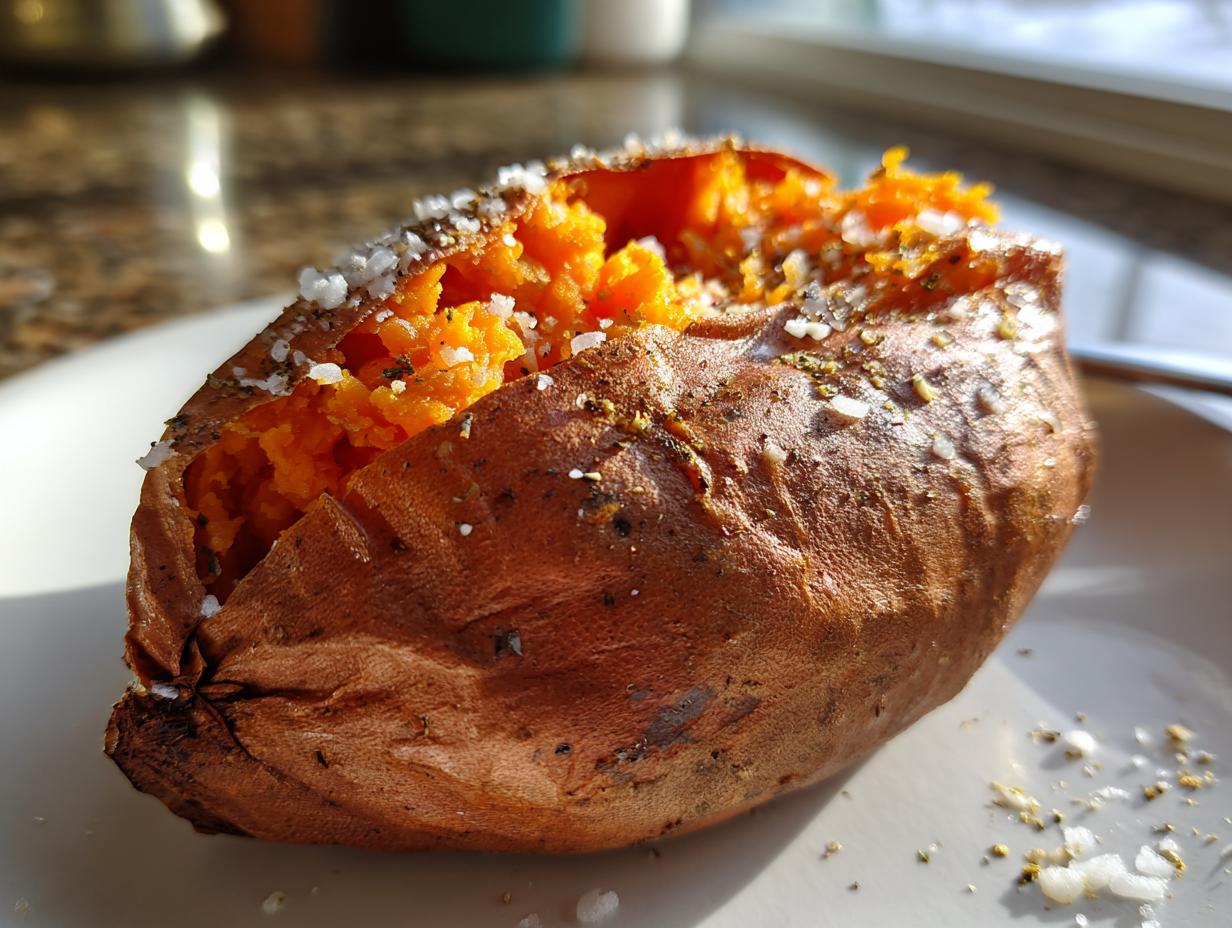
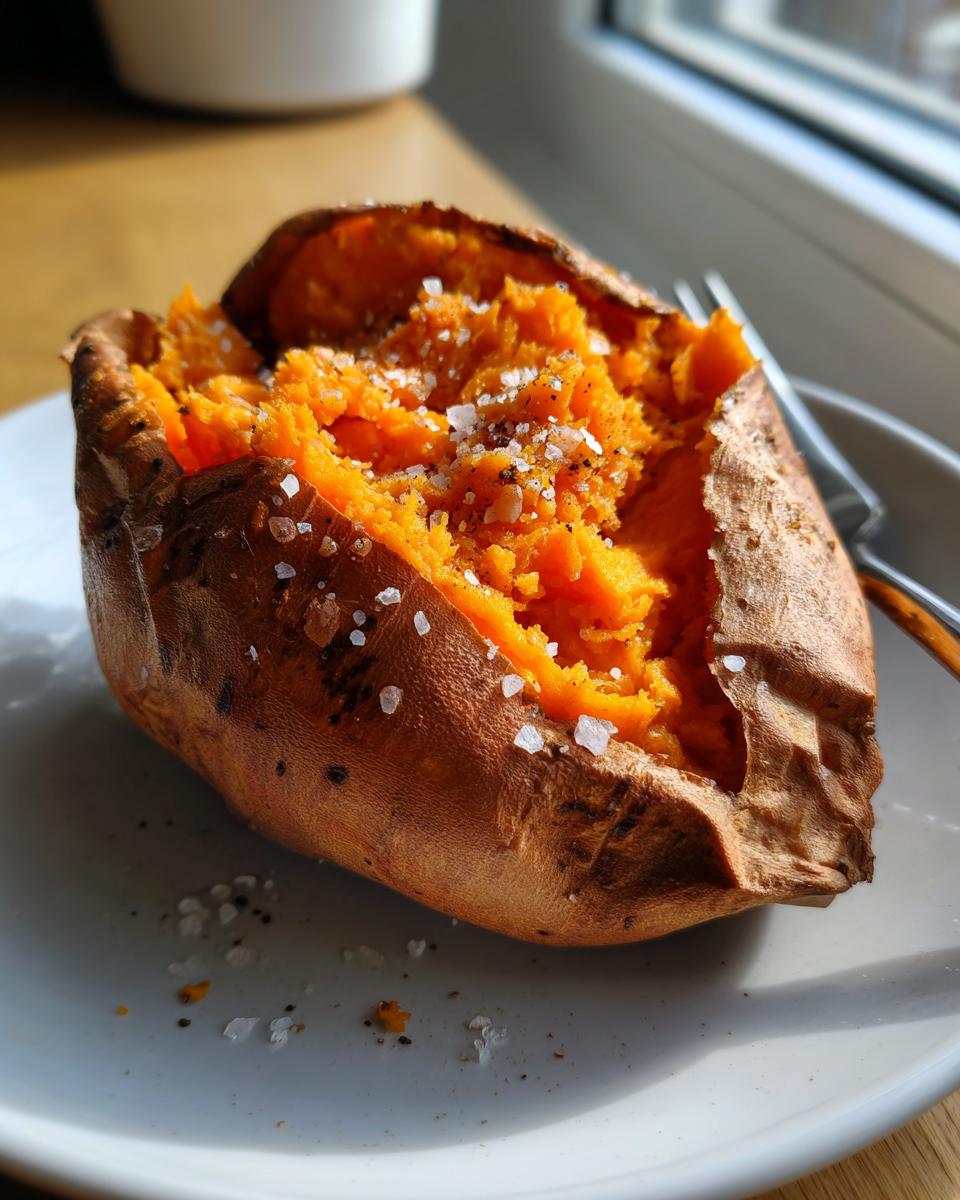
Okay, let’s talk about the one side dish that always seems to let people down: the baked sweet potato. Are you tired of those dry, crumbly disappointments that taste like dusty yams? Me too! That used to happen to me all the time, even when I followed directions. That’s why I developed what I call The Ultimate Guide to Perfectly Fluffy Oven Baked Sweet Potatoes (No Foil Needed). Seriously, ditch the foil; I promise! I spent years as a professional recipe developer, digging into the food science of starches, which means I know exactly what makes that inside melt-in-your-mouth tender.
My goal here at Frosted Fancies is making sure you get that beautiful, fluffy interior and slightly caramelized skin every single time you make a baked sweet potato. This method relies on understanding a few simple temperature rules. Forget guesswork; we’re using science to make this the easiest, most reliable side dish for your weeknight rotation or even your big Thanksgiving table!
- Why This is the Best Way to Bake Sweet Potatoes (The Science of Fluffiness)
- Ingredients for the Ultimate Baked Sweet Potato
- How to Prepare Your Perfectly Fluffy Baked Sweet Potato
- Tips for Achieving a Caramelized Skin Sweet Potato
- Simple Toppings for Your Baked Sweet Potato
- Versatility: Using Your Baked Sweet Potato for Meal Prep and More
- Storage and Reheating Instructions for Leftover Baked Sweet Potato
- Frequently Asked Questions About Baking Sweet Potatoes
- Nutritional Estimate for This Healthy Baked Vegetable
- Share Your Perfectly Fluffy Baked Sweet Potato Success
Why This is the Best Way to Bake Sweet Potatoes (The Science of Fluffiness)
If you want that light, airy, almost whipped texture inside, you have to treat the sweet potato right from the start. Trust me, learning the best way to bake sweet potatoes comes down to airflow and heat, not wrapping it up like a little present. When you skip the foil, you allow moisture to escape the skin, concentrating the flavor and helping that skin get a little crisp. That contrast between the crisp exterior and the steaming interior is what makes this dish so satisfying!
The biggest mistake I see people make is baking them too low and slow. That just steams them; it doesn’t bake them properly for that signature fluff.
The Role of High Heat in a Baked Sweet Potato
We are going in hot—400 degrees Fahrenheit, minimum! If you’re aiming for maximum fluff, higher is actually better. That intense heat rapidly gelatinizes the starches inside the sweet potato. Think of it like popping corn; you need that immediate, high temperature to turn that dense starch into airy fluff. This controls the sweet potato cooking time and temperature perfectly, ensuring the inside transforms while the outside doesn’t burn up. It’s all about getting that sweet interior texture just right before the outside dries out. You can see how this quick, high blast works compared to steaming them gently; it makes all the difference in the final outcome. Check out a great discussion on avoiding foil here!
Ingredients for the Ultimate Baked Sweet Potato
Honestly, this whole recipe is so simple, it’s almost embarrassing! We are focusing on the perfect technique, so the ingredients list is super short. You only need four medium sweet potatoes that are roughly the same size—this is important so they finish cooking at the same time, which is just good cooking sense! We’ll also use a little olive oil, coarse salt, and pepper. That’s it for the basic, amazing baked sweet potato!
How to Prepare Your Perfectly Fluffy Baked Sweet Potato
Alright, let’s get down to the actual process! Learning how to bake sweet potatoes is really about following these four core steps precisely. I know we talked about the science, but executing it is super straightforward. Preheat your oven to that magic 400°F first—don’t cheat that temperature! Then, you need to give those potatoes a good scrub. Get all that dirt off; nobody wants gritty sweet potatoes, right? Dry them really well afterward, because water creates steam, and we are trying to bake, not steam them!
Once they are dry, grab a fork and pierce each one deeply about six to eight times all over. This is non-negotiable, folks! If you don’t pierce them, the steam builds up inside, and trust me, you do not want an exploding sweet potato sending shrapnel across your beautiful oven. After piercing, rub them down lovingly with olive oil, then sprinkle generously with salt and pepper. See that guide? It captures the feeling perfectly.
Prepping and Seasoning the Baked Sweet Potato Skin
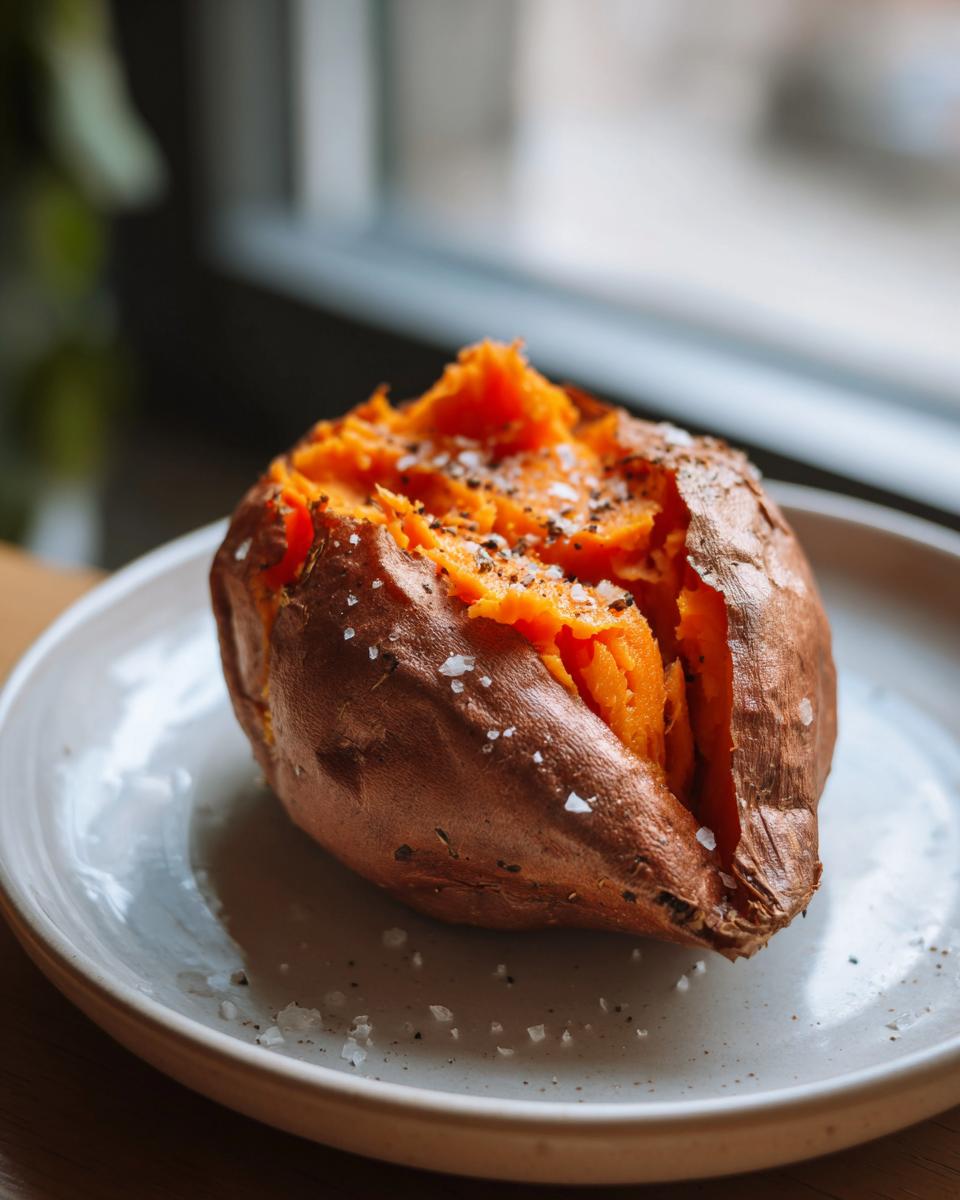
The oil is what helps the skin dry out and get that slightly crispy, almost caramelized skin sweet potato texture we are after, so don’t skip it! Make sure you spread that olive oil all the way around. I use coarse salt here because it adheres better and gives a nicer crunch than fine table salt. Once seasoned, they go straight onto the rack. Remember, no foil! We want that direct heat to work its magic on the outside while the inside is turning fluffy and glorious.
Determining Sweet Potato Cooking Time and Temperature
We stick to 400°F for about 45 to 60 minutes, depending on how big your beauties are. Always err on the side of caution and check them rather than just setting a timer and walking away. To truly test if you know how long to bake sweet potatoes, squeeze them gently—they should yield right away. If you have any doubt, slip a thin knife right into the center; it should meet zero resistance. If it hits a tough spot, put them back in for another 5 or 10 minutes. It’s that easy! If you need a quick reference on timing, check out this great resource here.
Tips for Achieving a Caramelized Skin Sweet Potato
Getting that perfectly browned, slightly chewy, almost roasted skin is one of the joys of a great baked sweet potato. If you wrap it in foil, you trap all the moisture, and you end up steaming the outside, which leads to soft, floppy skin—and that’s just sad when the inside is so fluffy!
The absolute key to getting that crisp, caramelized skin sweet potato finish is direct exposure to the oven heat. You must skip the aluminum foil and, ideally, skip the baking sheet too! When you place the seasoned potatoes directly onto the middle oven rack, the hot air circulates all around them. This promotes evaporation on the skin, which concentrates the sugars and salt coating we added.
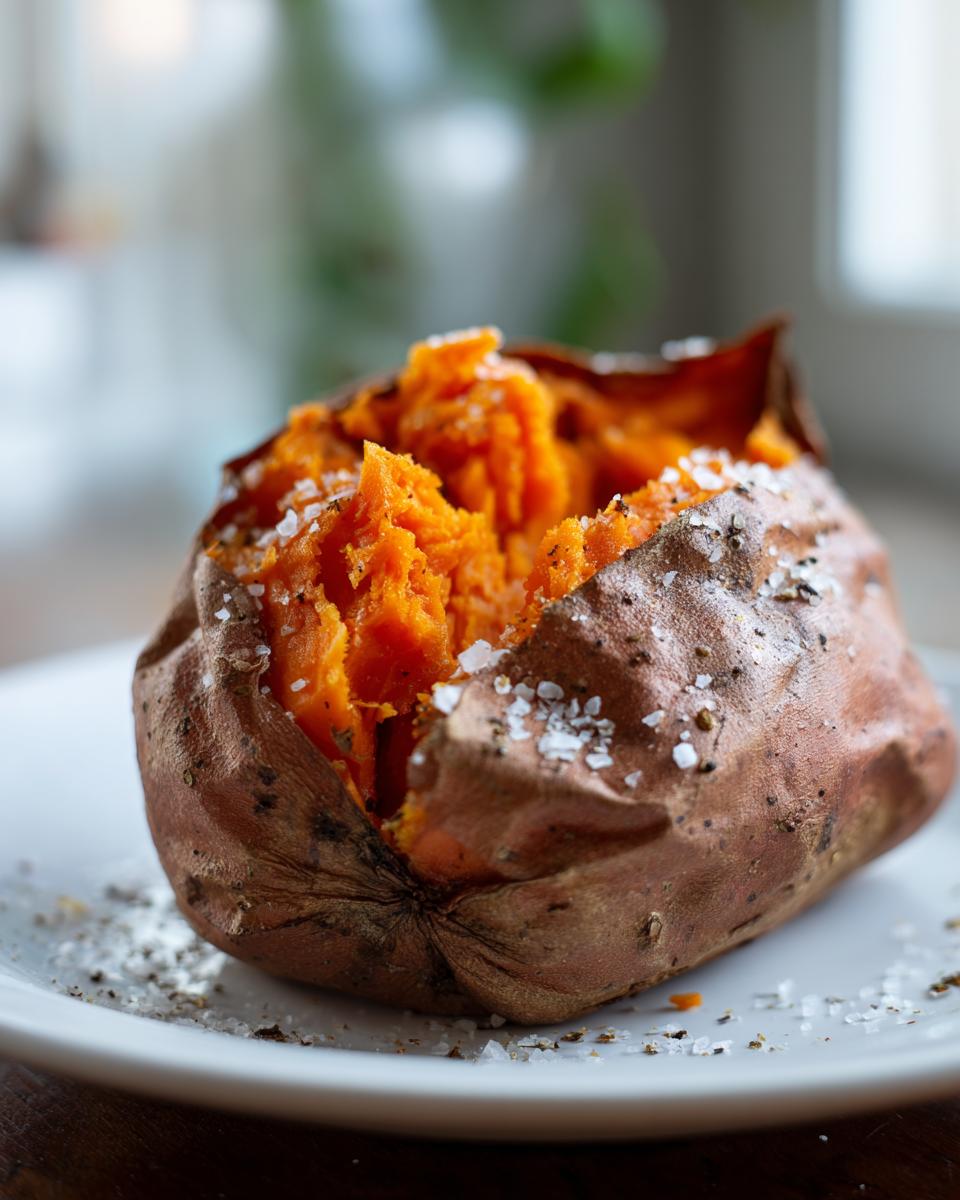
This way, the outside dries rapidly and crisps up nicely while the inside steams perfectly. It gives you that amazing textural contrast that elevates this dish from simple vegetable to something truly special. If you’re nervous about drips, you can always place a piece of aluminum foil on the rack *under* the potato, but the potato itself must be naked! For more great tips on getting that skin just right, check out this super helpful guide here.
Simple Toppings for Your Baked Sweet Potato
Now that you’ve unlocked the perfectly fluffy interior, the fun part begins: dressing it up! This is what turns a healthy vegetable into an absolutely irresistible easy sweet potato side dish. Since the potato itself is so naturally sweet and flavorful, you don’t need much to make it sing—though you certainly can pile on the fixings if you want!
For me, nothing beats simplicity, especially when I’m rushing to get dinner on the table for the family. My absolute favorite is just a giant pat of salt butter that melts right into the steamy flesh. But if you want a little something extra, I have two go-to additions that I always recommend to folks reading recipes here at Frosted Fancies. You can find tons of delicious inspiration on simple sides like this over at Cooksizzle, too!
Sweet Topping Idea: Cinnamon Butter
If you want to lean into that natural sweetness, you have to try the cinnamon butter. It’s ridiculously easy! Just take about two tablespoons of softened butter—and please, use real butter, it tastes so much better—and mix it really well with about one teaspoon of ground cinnamon and just a tiny pinch of sugar. Whip it up until it’s pale and fluffy, then scoop a big dollop right onto that hot, fluffy potato. It smells incredible wafting through the kitchen!
Savory Topping Idea: Herbs and Salt
But sometimes you want something less sweet, right? That’s where savory toppings shine. If you’re serving this alongside something salty like roasted chicken, try a dollop of sour cream or plain Greek yogurt. Then, sprinkle liberally with freshly chopped chives and a final flourish of flaky sea salt. It gives the baked sweet potato a wonderful brightness and keeps it feeling sophisticated.
Versatility: Using Your Baked Sweet Potato for Meal Prep and More
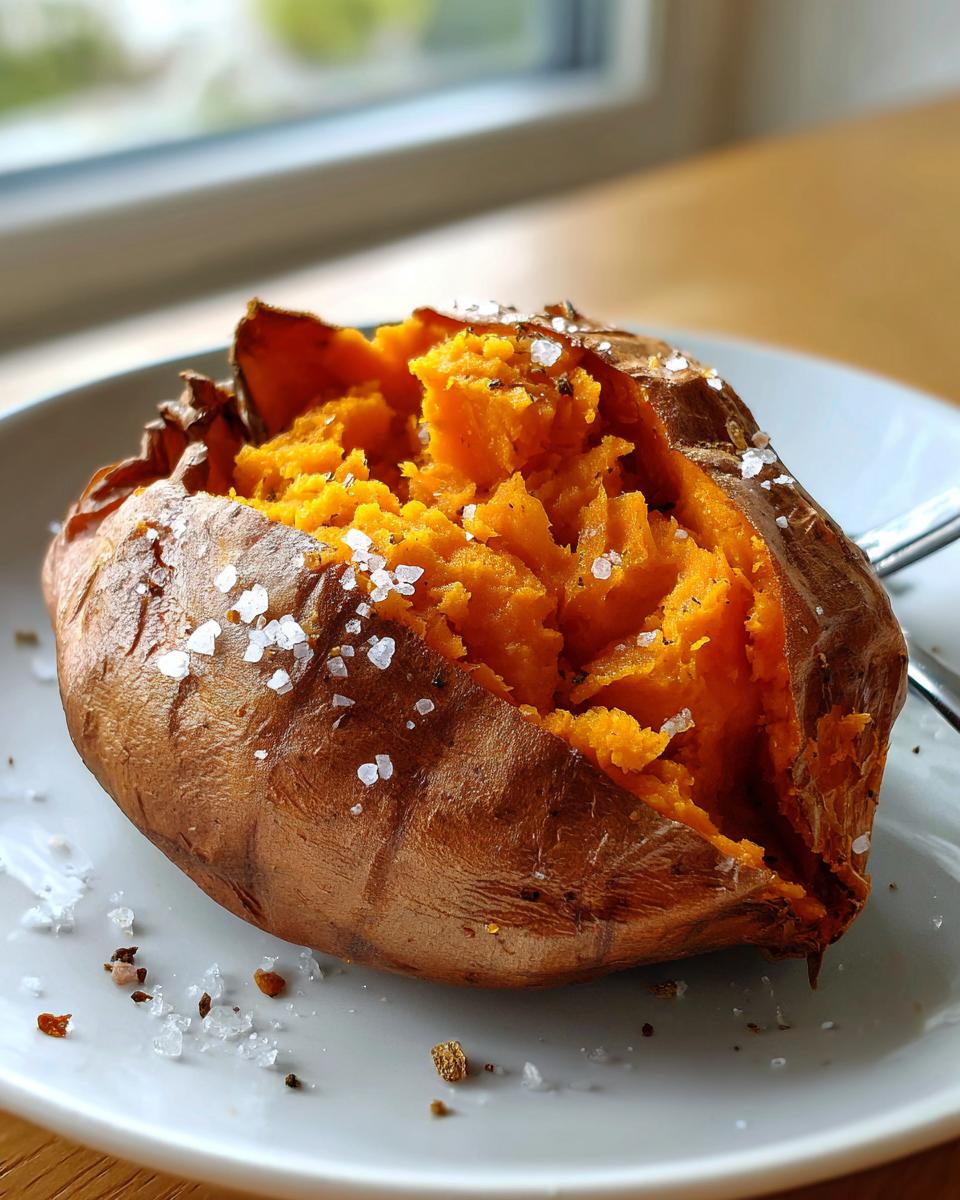
One of the best things about mastering the baked sweet potato is how versatile they are! If you’re looking for quick, filling options in the middle of the week, these are fantastic for meal prep sweet potatoes. You can bake a few on Sunday, and you’re set for lunches or quick dinners! They hold up so well, which is why I love this oven baked sweet potato recipe.
After they cool completely, you can store the whole potato in an airtight container in the fridge for up to four days. This keeps them fresh and ready to go. They are the definition of an amazing, healthy, and natural sweet potato recipe because you control everything that goes into them. If you want to pull them out later for a quick meal, just reheat them gently! You can see some great ideas for using them baked up over at this guide.
You can eat them just as they are, or scoop out that fluffy flesh to use as a base for sweet potato hash, tossing it with black beans and cumin, or blending it into creamy soups. This basic technique opens up so many doors!
Storage and Reheating Instructions for Leftover Baked Sweet Potato
Don’t toss those leftovers, folks! If you have any baked sweet potato magic left over, it stores like a dream. Keep the potatoes whole or scoop out the flesh into an airtight container. I find they stay perfectly good in the fridge for about four days—plenty of time for another meal!
When you’re ready to reheat them, the microwave is actually your best friend for speed, but a little trick keeps them fluffy. Heat them up in short 30-second bursts. If you manage to bake them a little too dry initially, tossing them with a teaspoon of water before microwaving helps bring back some steam and moisture. It keeps that lovely texture we worked so hard to achieve!
Frequently Asked Questions About Baking Sweet Potatoes
I know when you’re reading through a technique-heavy guide, questions always pop up. That’s totally natural! Cooking is all about context, and I want to make sure this recipe works perfectly for your unique oven and your schedule. I’ve pulled together the most common things folks ask me about getting that perfectly fluffy sweet potato every time.
Do I need to wrap my sweet potato in foil when baking?
Absolutely not, if you are looking for that gorgeous caramelized skin and fluffy texture! Wrapping in foil traps the moisture, which basically results in a steamed potato rather than a baked one. We want that direct dry heat hitting the skin. If you skip the foil, you get the best contrast between the skin and the fluffy inside. If you’re worried about drips on the rack below, place some foil *underneath* the potato, but keep the potato itself exposed!
What is the standard sweet potato cooking time and temperature?
For a medium-sized sweet potato, we preheat the oven to 400°F. The standard sweet potato cooking time and temperature window is usually 45 to 60 minutes. Always check for doneness by squeezing it—if it gives easily, it’s done! This method ensures you nail that perfect balance for a great oven baked sweet potato recipe. You can find more great tips on timing over at this site.
Can I use this method for smaller sweet potatoes?
Yes, you certainly can use this for smaller sweet potatoes, but you must adjust the time! If your potatoes are noticeably smaller than a baseball, they might be perfectly done in 35 or 40 minutes. Always use the squeeze test instead of just relying on the clock. If they are tiny, you might even want to bump the temperature up just a touch, maybe to 425°F, because smaller items cook much faster! For more seasoning ideas that go great with any size, check out the savory suggestions on this page.
Nutritional Estimate for This Healthy Baked Vegetable
I always get asked about the nutrition when people are trying to eat healthier, and since this recipe is so simple, it’s fantastic for sticking to clean eating goals! I ran the numbers on the base recipe—that’s one sweet potato baked with just the olive oil, salt, and pepper you see in the ingredients list—and here is what you can generally expect per serving. Remember, this is just an estimate, since the exact size of your sweet potato makes a difference!
It’s just wonderful how much goodness these bake up with. You get a high dose of fiber, which is amazing for keeping you full, and the natural sugars are balanced out by what little fat we add in.
- Calories: Around 180
- Carbohydrates: About 41 grams
- Fiber: A whopping 7 grams!
- Protein: Roughly 4 grams
- Fat: Less than 1 gram (because we use so little oil!)
See? It’s genuinely a powerhouse, and it’s so much better than any highly processed side dish you pull out of a frozen bag. If you add toppings like my cinnamon butter or sour cream, of course, those numbers will change, so keep that in mind when you’re tracking things. It’s a great foundation for any healthy baked vegetable dish, though. For a deeper dive into how this fits into a healthy diet, check out some insights over at Wholesome Yum.
Share Your Perfectly Fluffy Baked Sweet Potato Success
Now that you’ve got this foolproof method down, I genuinely can’t wait to hear how they turned out! Baking should always be a fun, rewarding experience, and getting that perfect texture is a huge win. Don’t be shy—I love seeing what you all create in your own kitchens!
If you followed along and ended up with a beautifully fluffy baked sweet potato, please leave a quick star rating for this guide right below this section. It helps other home cooks discover this simple technique! Also, if you tried one of those toppings or came up with your own amazing flavor combination—maybe you drizzled it with maple syrup or added some smoked paprika—tell me all about it in the comments!
I read every comment, and sharing those little kitchen triumphs is seriously my favorite part of running Frosted Fancies. Happy baking! Let me know if you nailed that fluffy interior!
PrintThe Ultimate Guide to Perfectly Fluffy Oven Baked Sweet Potatoes (No Foil Needed)

Learn the foolproof method for baking sweet potatoes in the oven to achieve a perfectly fluffy and tender interior with slightly caramelized skin. This simple side dish works for weeknight dinners or holiday feasts.
- Prep Time: 5 min
- Cook Time: 50 min
- Total Time: 55 min
- Yield: 4 servings 1x
- Category: Side Dish
- Method: Baking
- Cuisine: American
- Diet: Vegetarian
Ingredients
- 4 medium sweet potatoes, uniform in size
- 1 tablespoon olive oil
- 1 teaspoon coarse salt
- 1/2 teaspoon black pepper
Instructions
- Preheat your oven to 400 degrees Fahrenheit. This temperature is key for achieving a fluffy interior.
- Scrub the sweet potatoes well under running water to remove any dirt. Dry them completely with a paper towel.
- Using a fork, pierce each sweet potato deeply 6 to 8 times all over. This allows steam to escape and prevents the potato from exploding.
- Rub the outside of each sweet potato with olive oil. Distribute the salt and pepper evenly over the skins.
- Place the prepared sweet potatoes directly onto the middle oven rack. Do not use foil or a baking sheet; direct heat helps crisp the skin.
- Bake for 45 to 60 minutes. The exact time depends on the size of your potatoes.
- Check for doneness by squeezing the potato gently; it should yield easily. A knife inserted into the center should meet no resistance.
- Remove from the oven and let them cool for 5 minutes before serving. Slice open lengthwise and fluff the inside with a fork.
Notes
- For a sweeter result, you can bake the potatoes at 425 degrees Fahrenheit for 40 to 50 minutes.
- If you plan to use the potatoes for meal prep, store the cooked potatoes whole or scooped out in an airtight container in the refrigerator for up to 4 days.
- To make a simple cinnamon butter topping, mix 2 tablespoons of softened butter with 1 teaspoon of ground cinnamon and a pinch of sugar.
- If you prefer a savory topping, try a dollop of sour cream, chives, and a sprinkle of sea salt.
Nutrition
- Serving Size: 1 medium potato
- Calories: 180
- Sugar: 13
- Sodium: 150
- Fat: 0.5
- Saturated Fat: 0.1
- Unsaturated Fat: 0.4
- Trans Fat: 0
- Carbohydrates: 41
- Fiber: 7
- Protein: 4
- Cholesterol: 0